





Scroll to Top
Share to:
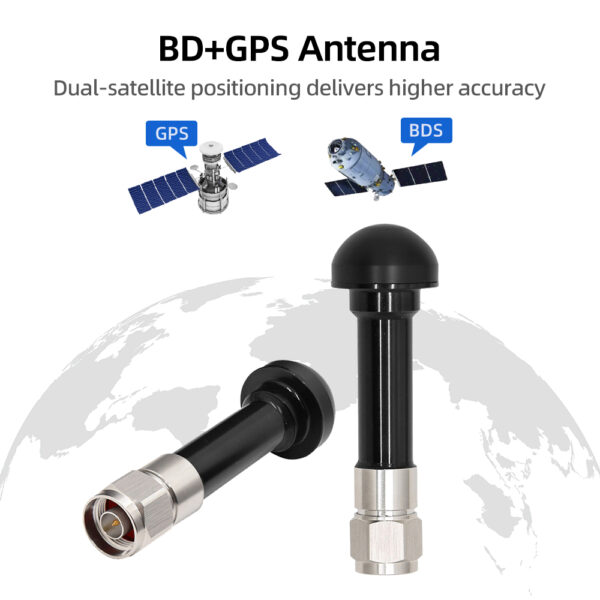
GNSS Mushroom Antenna for Vehicle Tracking, N Male
Product features:
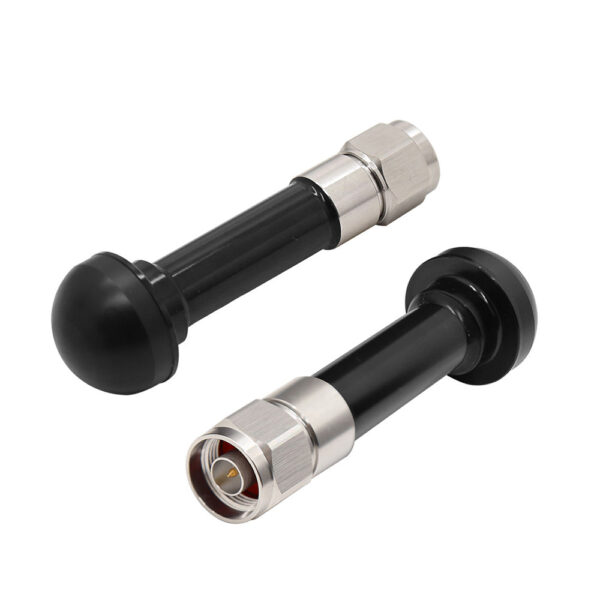
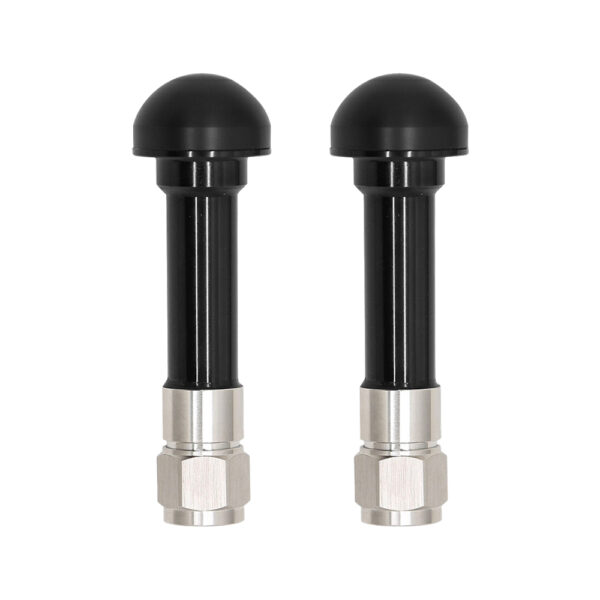
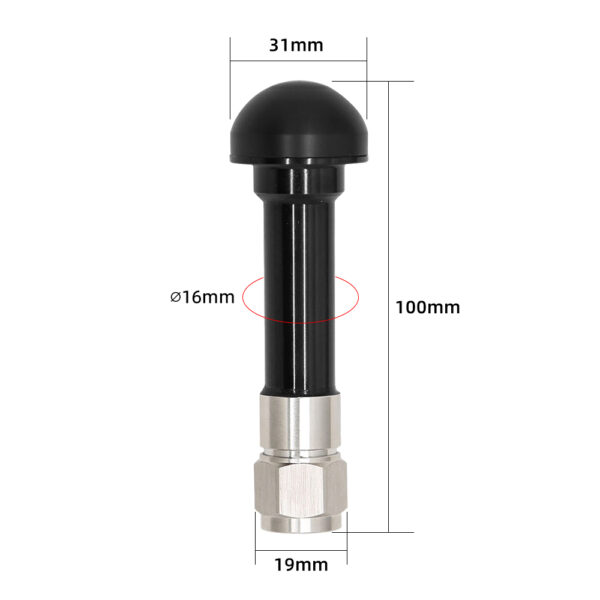
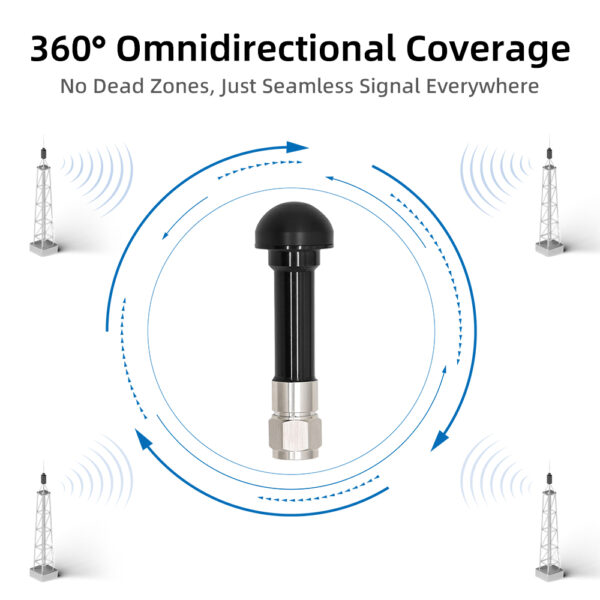
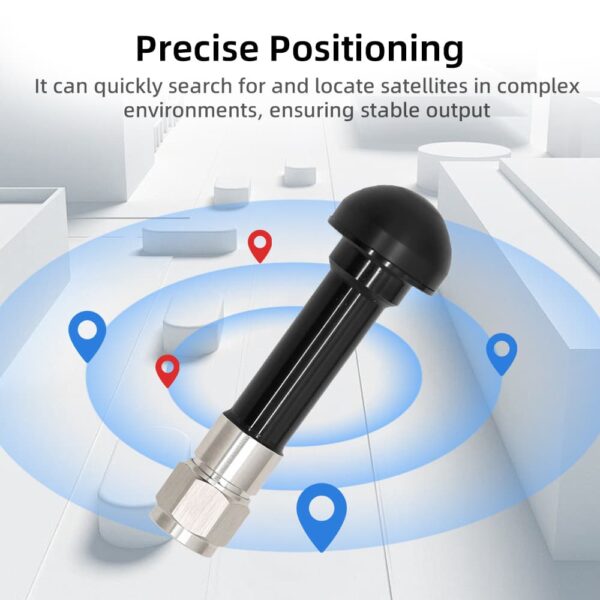
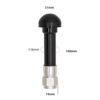
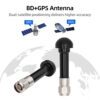
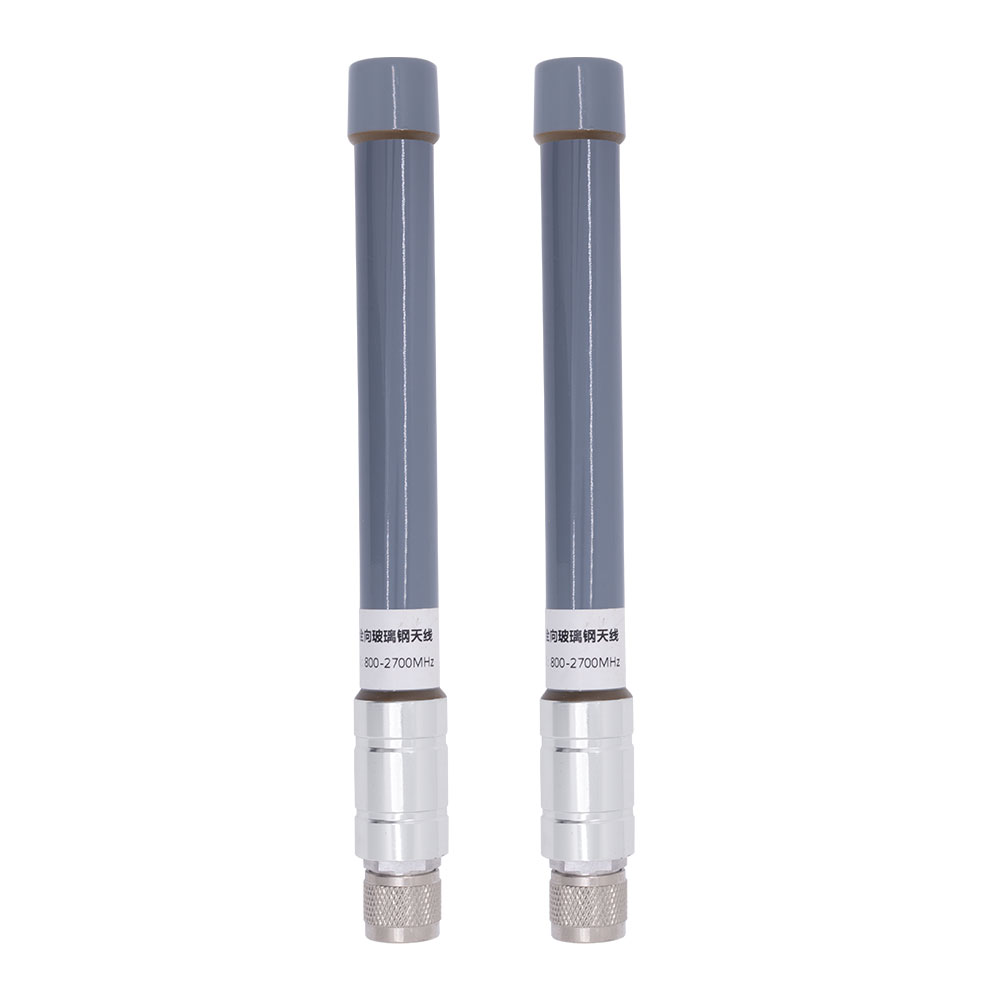
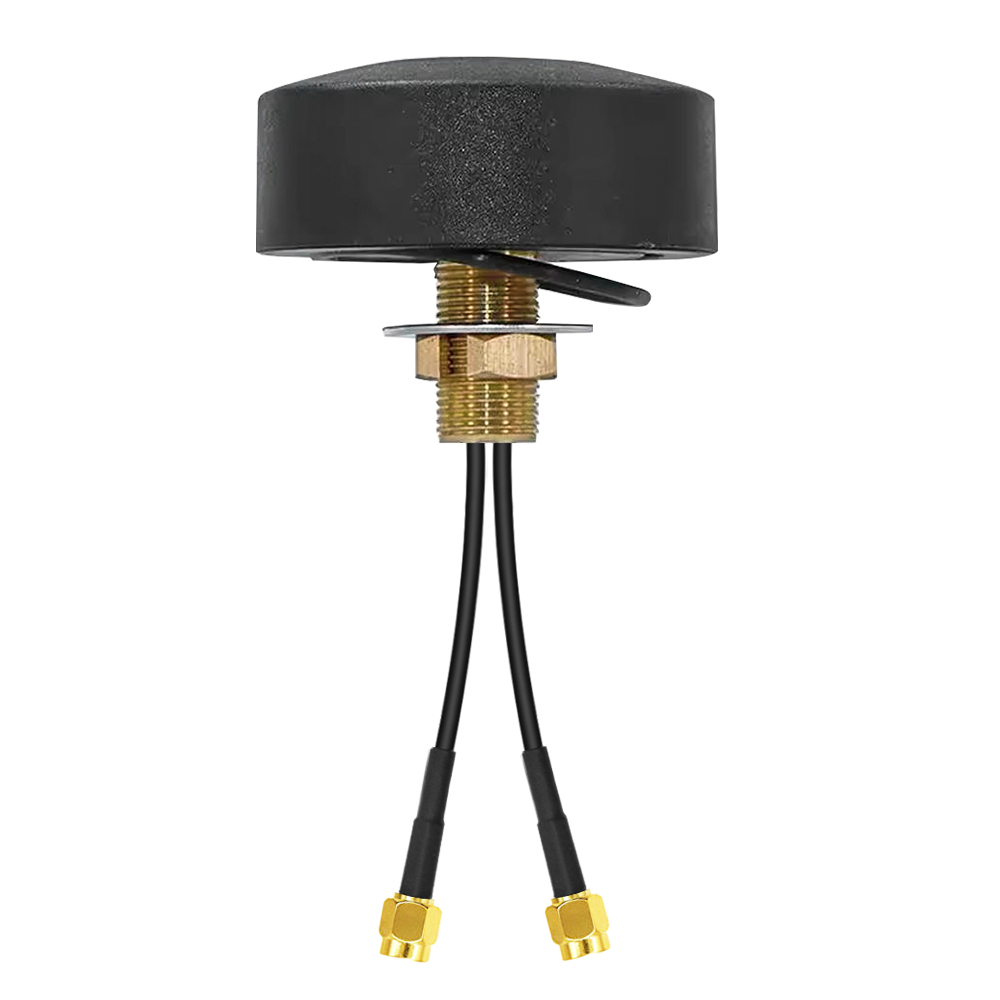
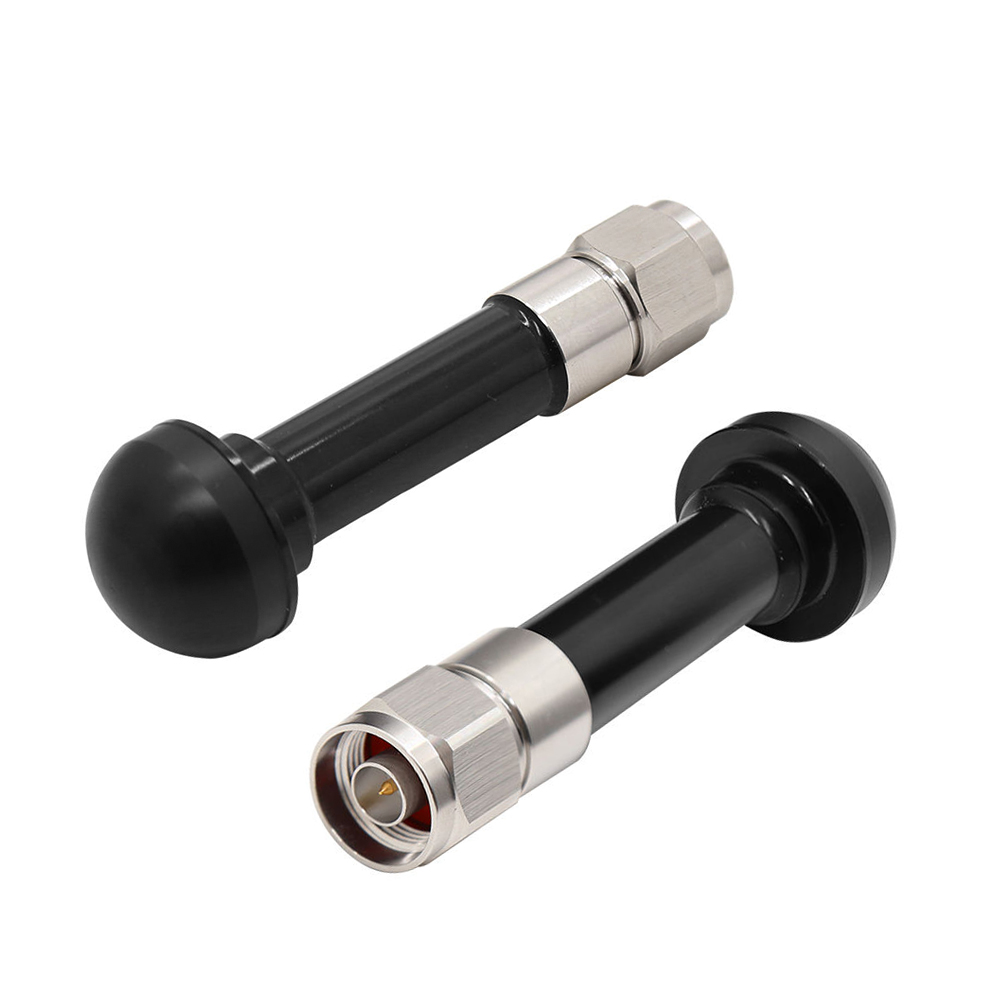
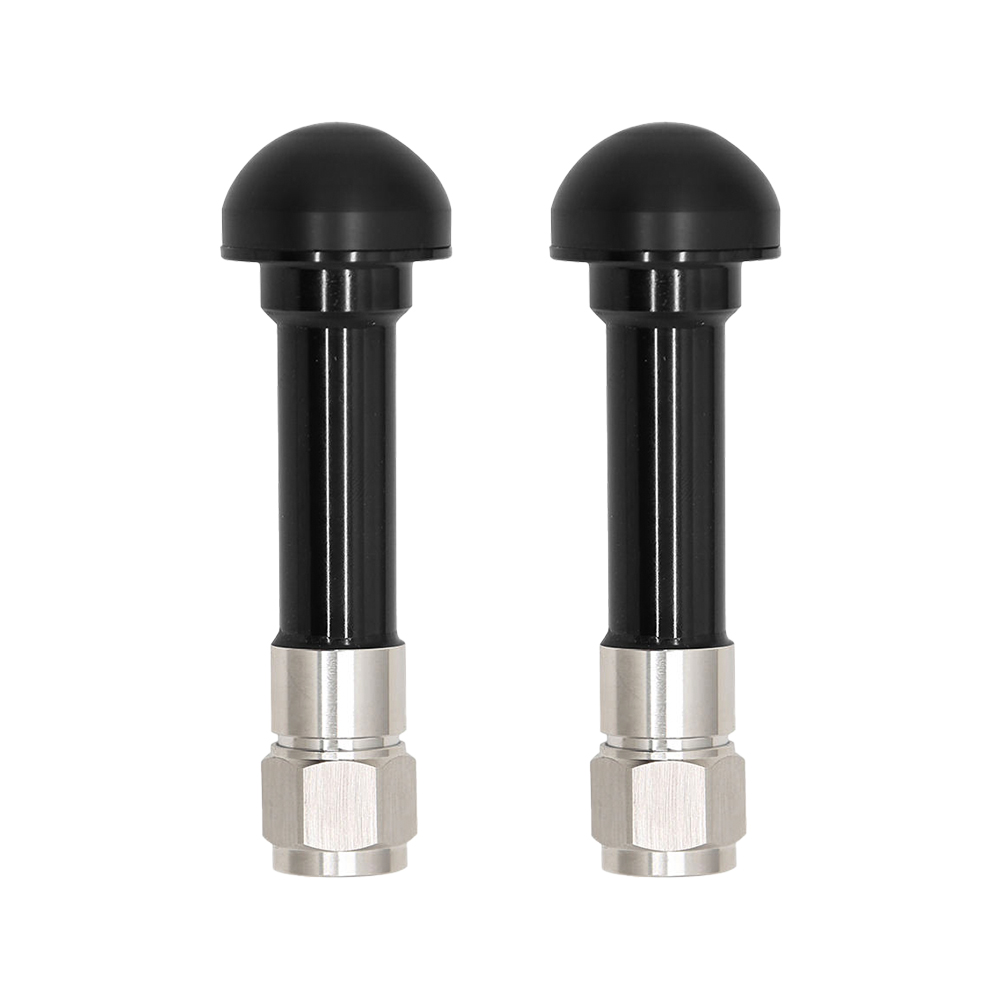
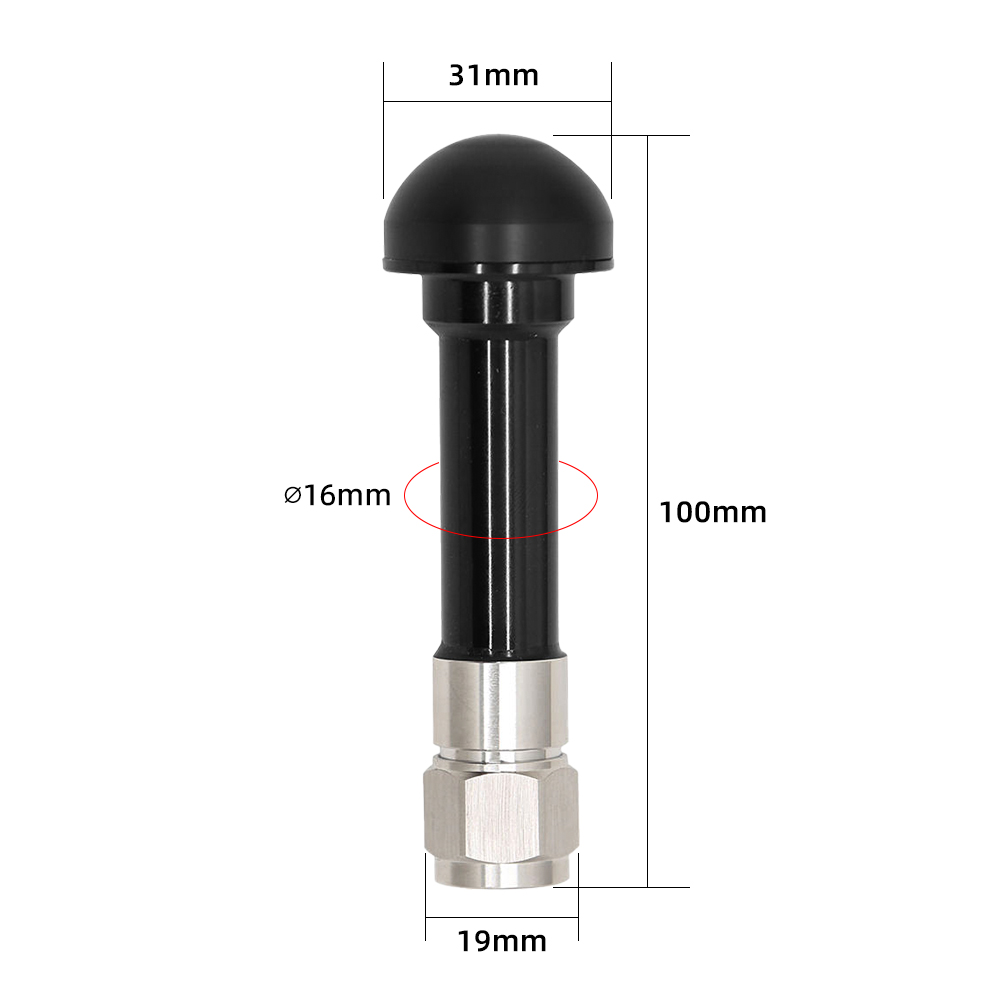
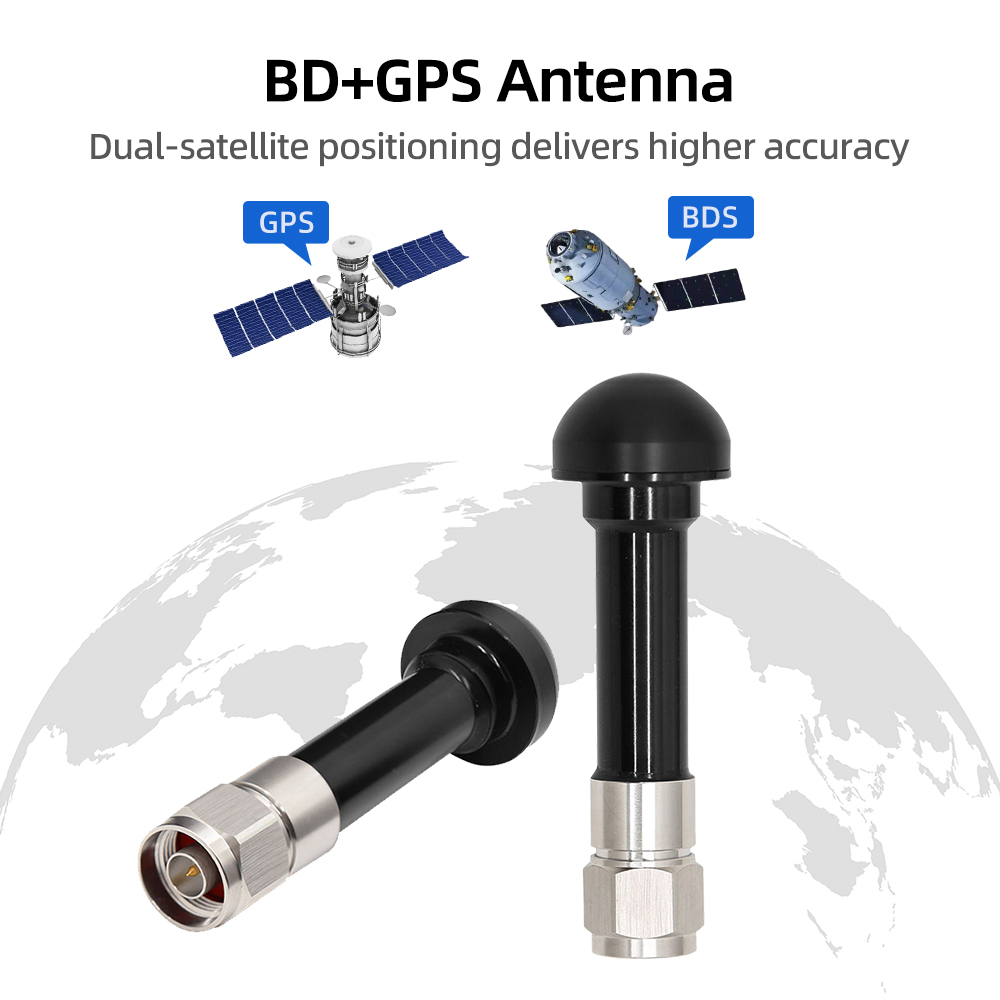
The FS-F5 is a compact GNSS mushroom antenna with a fiberglass dome, a gasketed base and an N-type male connector. Measuring 100 mm tall and 16 mm in diameter, it supports GPS at 1575.42 MHz and BeiDou at 1561 MHz, making it a practical GPS BDS antenna for tracking devices using both constellations. The antenna has a 50-ohm impedance and a VSWR of 1.5 or lower, while the active version provides 25 dB amplifier gain through the coaxial cable. It can be mounted on a bracket or mast plate without a ground plane, and its sealed housing makes it suitable for outdoor installations on rooftops, trailers and in wash-down areas.
| Type | GNSS Mushroom Antenna | Antenna Gain | 10 |
| Number Of Bands | 5.8G or customized | Terminals | N-female or customized |
| Model Number | FS-F5 | Place of Origin | Guangdong, China |
| Polaration | Vertical | Antenna Frequency | 1575.42/1561MHz |
| V.S.W.R: | ≤ 1.5 | Frequency | BD+GPS |
| Gain | 25dbi | Peak gain | 25 |
| Impedance: | 50 Ω | Max power | 50W |
| Material | Fiberglass | Single gross weight | 3.0 kg |
Q1. Does this GNSS mushroom antenna support GPS and BeiDou at the same time?
Yes. It receives GPS L1 at 1575.42 MHz and BeiDou B1 at 1561 MHz, allowing a compatible receiver to use both constellations simultaneously. It does not support GLONASS, Galileo E1, L2 or L5. If your device requires other bands or satellite systems, let us know the receiver model so we can check compatibility.
Q2. Is this antenna suitable for RTK positioning?
This model supports GPS L1 and BeiDou B1, but it is not a dual-frequency RTK antenna. For centimetre-level positioning, you’ll need an antenna and receiver that support the frequencies and correction service required by your system. If you share your receiver model and positioning requirements, we can help you find the right option.
Q3. How is the active version powered?
The active version receives DC power through the coaxial cable from a compatible receiver or bias tee. The supply voltage and current must match the antenna specifications. A passive version may also be available if your receiver cannot provide bias power. Check your receiver’s power output before choosing a version.
Q4. How do I mount the antenna, and what cable connection does it use?
The antenna has an N-type male connector at the base and can be mounted on a suitable bracket or mast plate. The cable connects through a matching N-type female connector, so check the interface before ordering. The supplied product information states that no ground plane is required. If you plan to mount the antenna on an enclosure, confirm the available space and mounting dimensions first.
jason@fs-sz.com
+86-13683276589
+86 13427976189
+86-0755-85223189