







Scroll to Top
Share to:
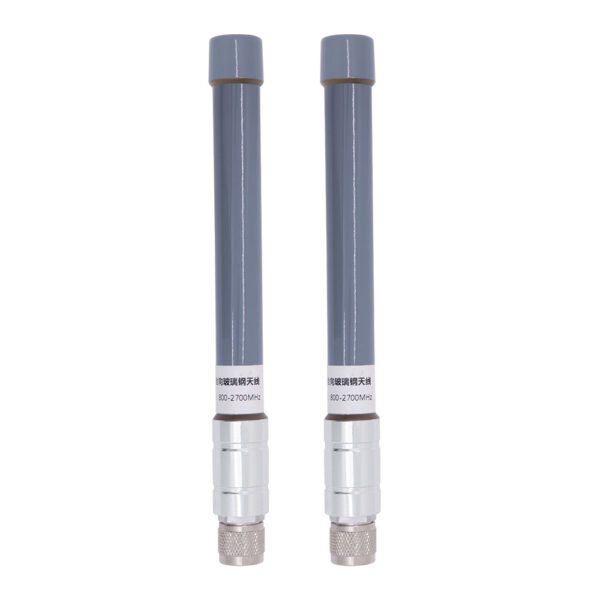
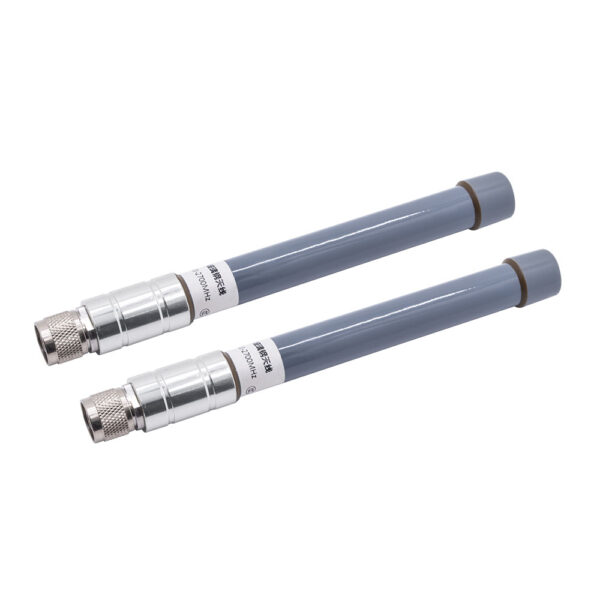
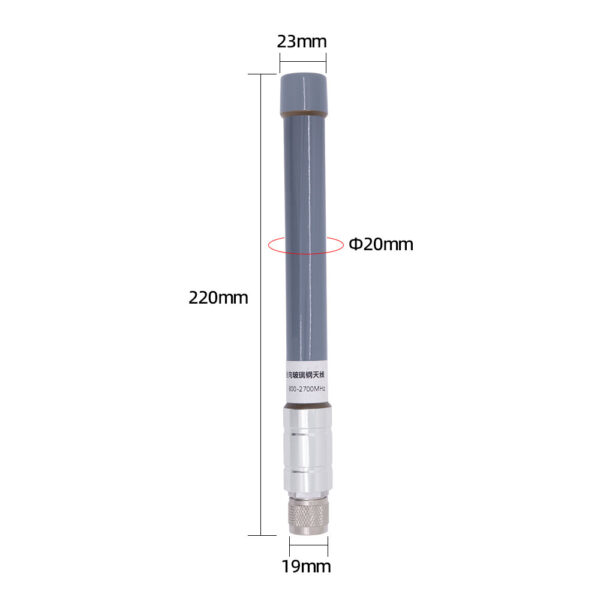
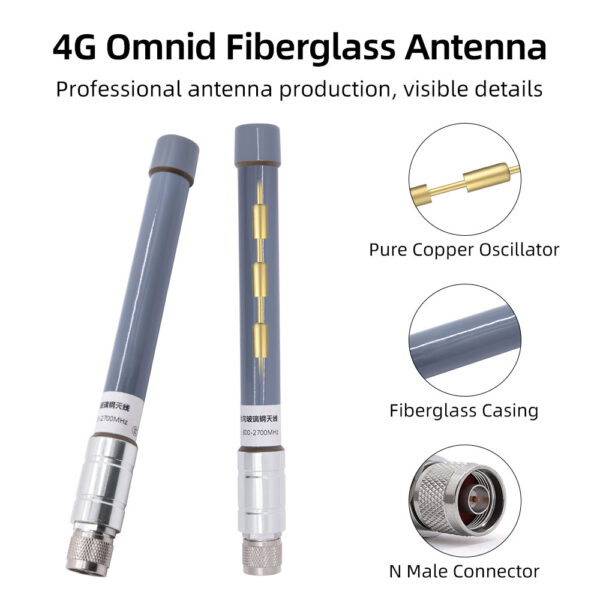
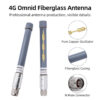
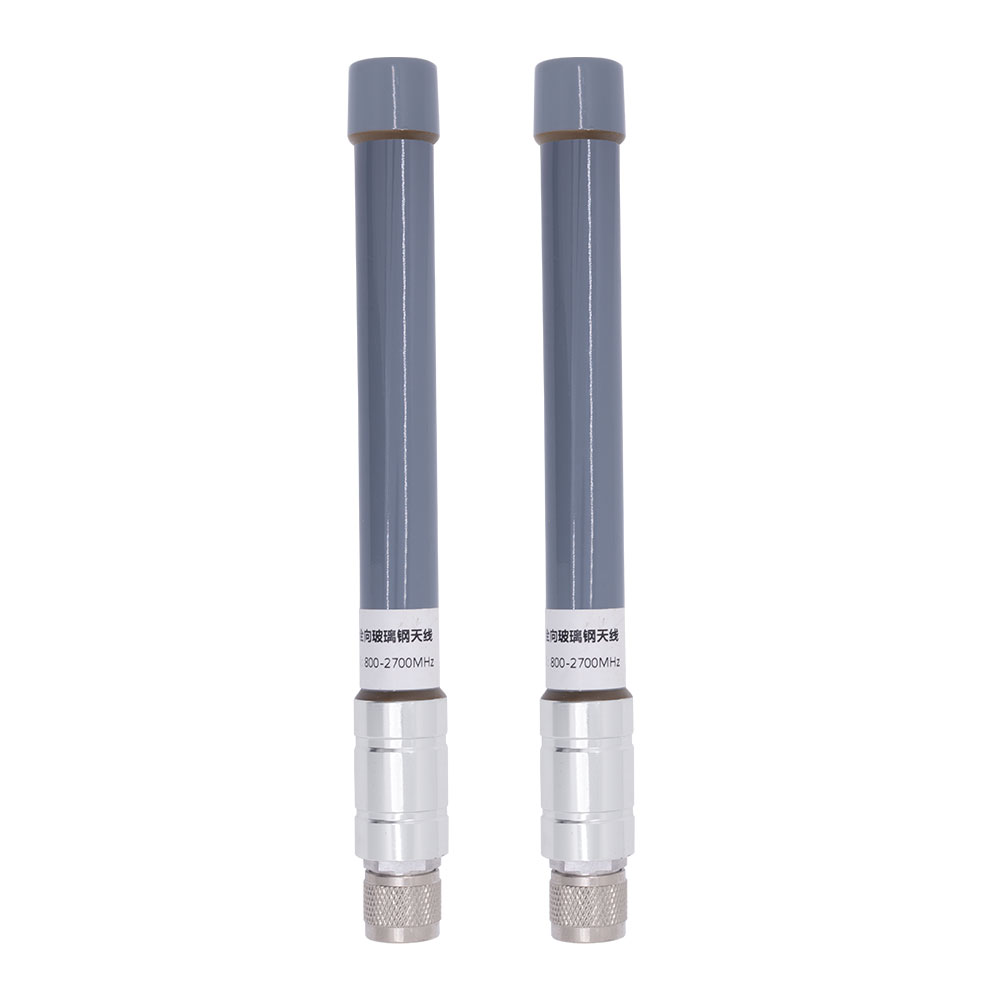
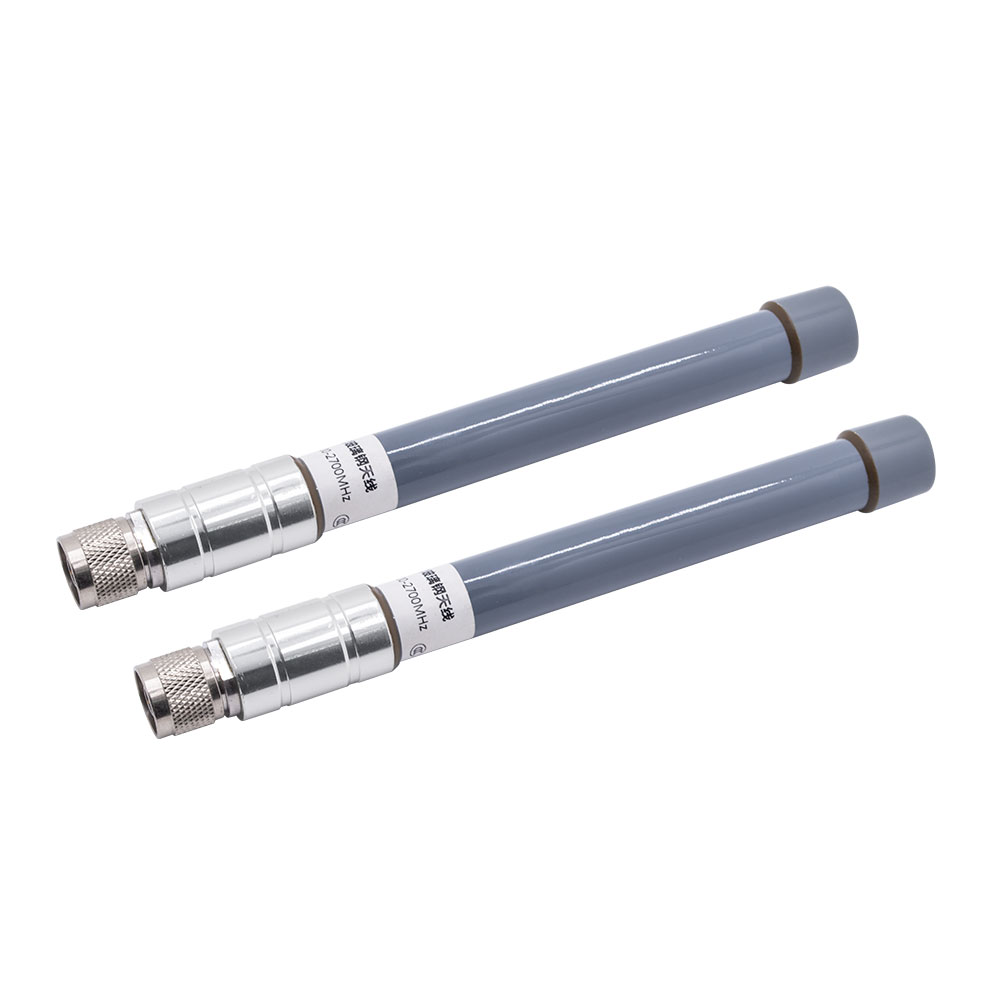
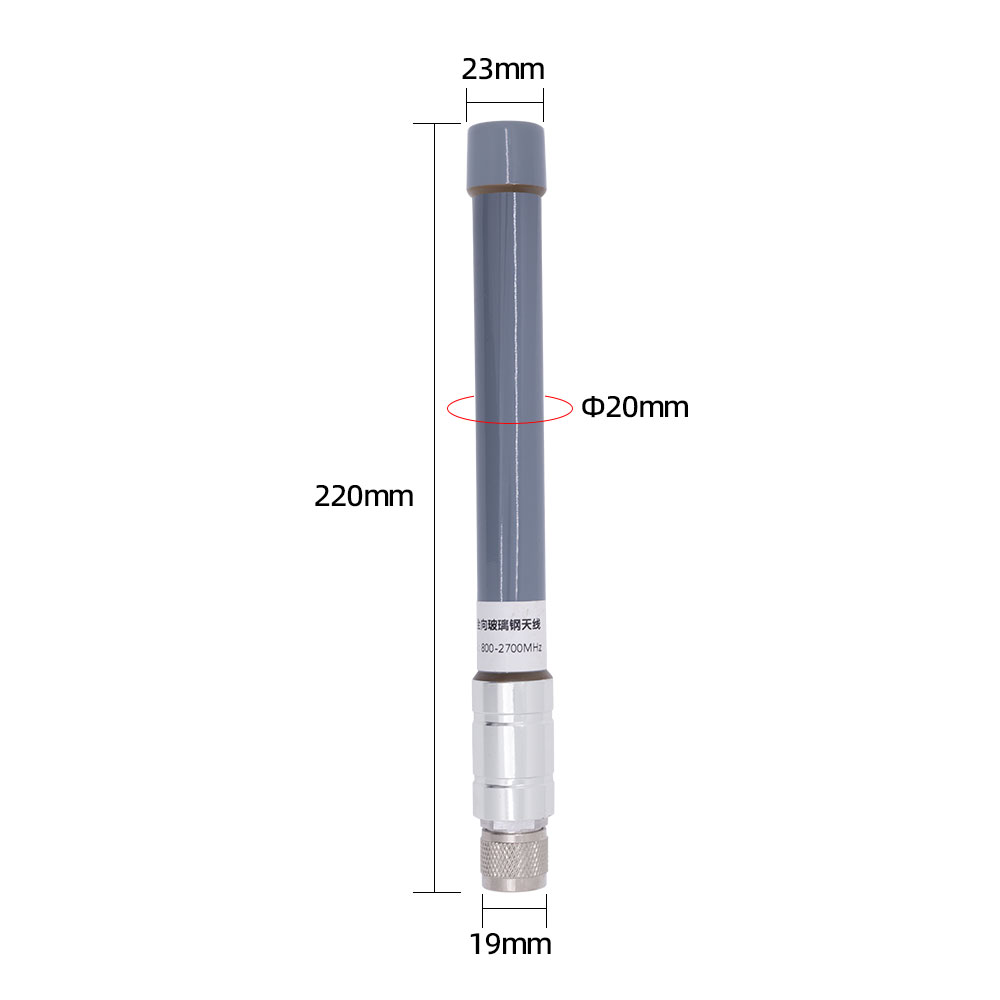
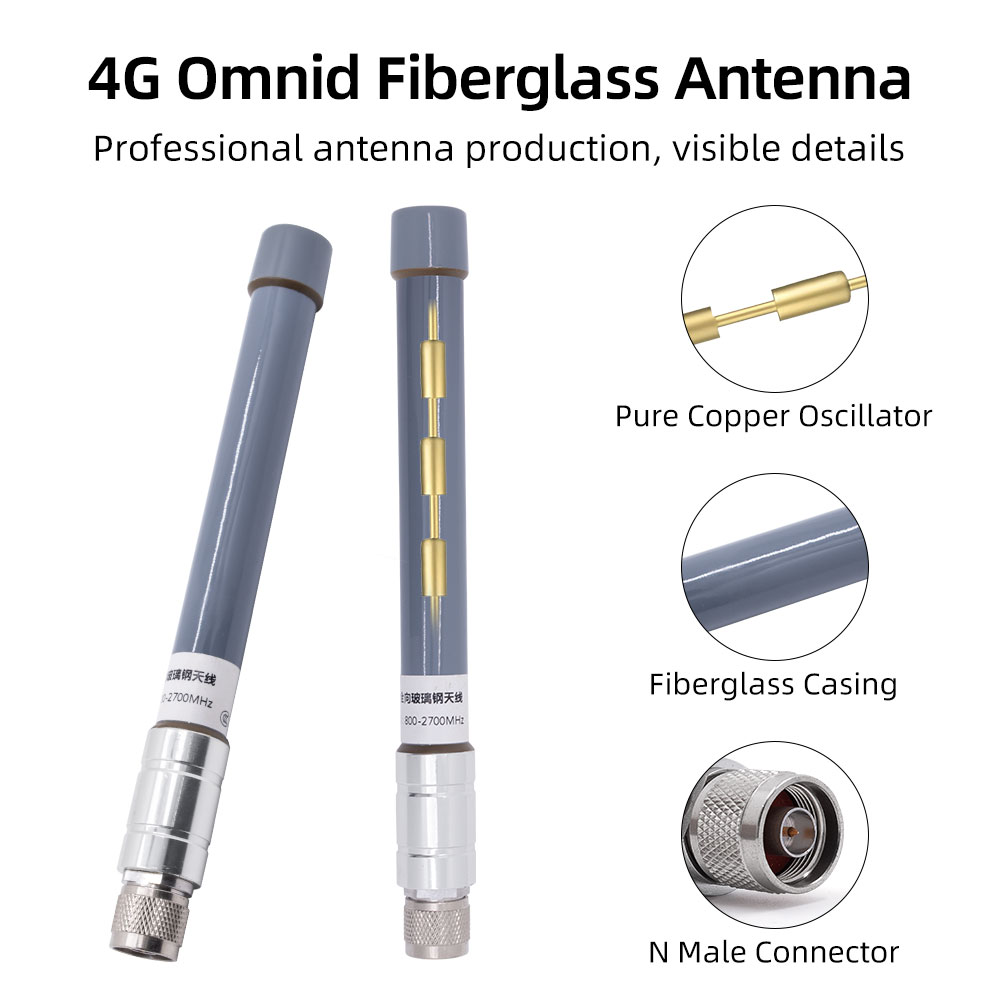
| Type | 4G Fiberglass Omni Antenna | Number Of Bands | 4G or customized |
| Terminals | N-female or customized | Model Number | FS-F1 |
| Place of Origin | Guangdong, China | Polaration | Vertical |
| Installation | Screw | Impedance | 50 |
| Max input power | 50 | Gain | 8DBI or customized |
| Color | silver | Material | Fiberglass |
| Max power | 50W | VSWR | less than 1.5 |
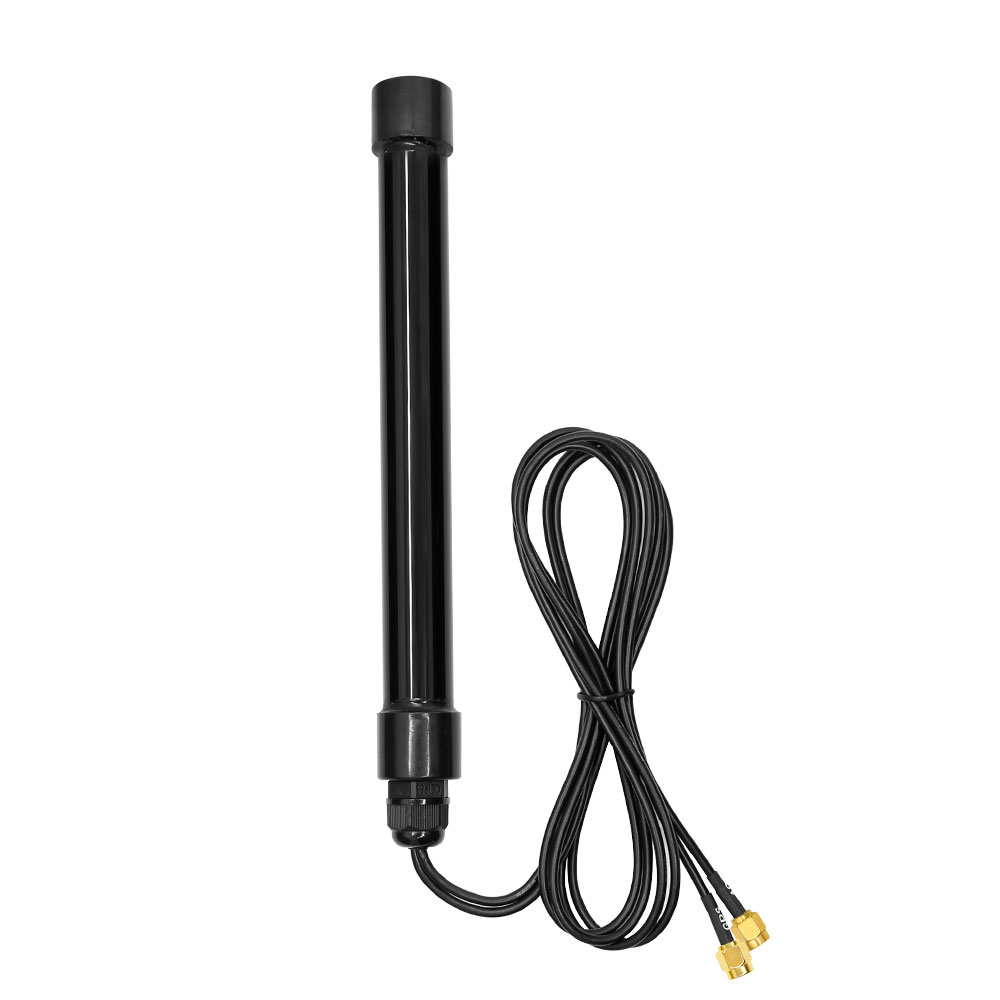
IoT Gateway Deployments – An omni directional fiberglass antenna for IoT gateway deployments covers every direction from one mast, which is how these jobs are laid out anyway: gateway in the middle, nodes all round. Put a new sensor cluster on the far side and nothing has to move, with no sector antenna needed behind the pole.
Outdoor WiFi and WISP Sites – This is the 8 dBi version, on 2.4 and 5 GHz. An omni fiberglass WiFi antenna serves client radios spread around a mast, so the ones behind it get the same service as the ones in front. A panel needs a second unit to do that. Running MIMO? They ship as matched pairs.
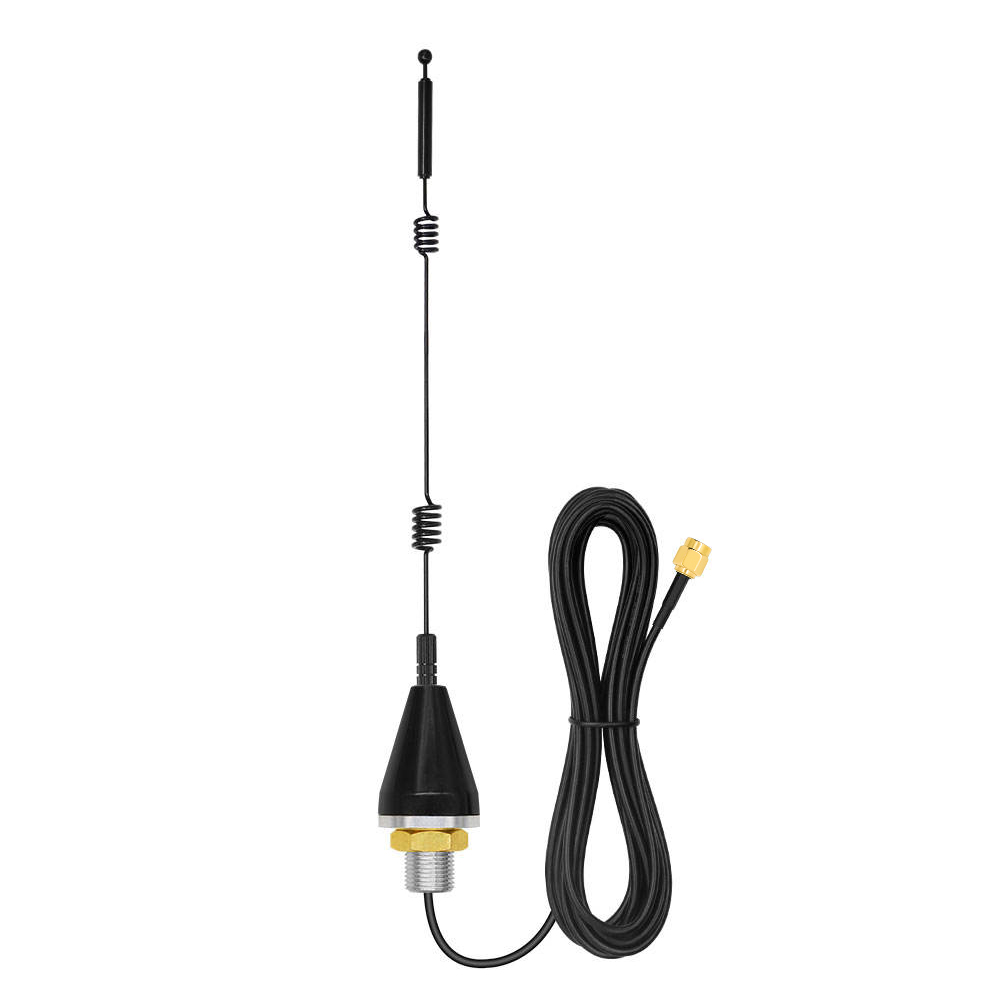
Cellular and Sub-GHz Sites – The 800–2700 MHz version is for LTE and sub-GHz sites that need coverage all round: farms, utility yards, quarries. Out there the FRP antenna housing counts as much as the electrical spec, since the unit is meant to stay up for years. Fixed gear and mobile units share the same omni directional antenna.
CCTV, Wireless Video and Remote Monitoring – Cameras on poles and gantries usually link wirelessly. One sealed fiberglass omni antenna covers the whole cluster around a pole, instead of a directional link per camera that needs aiming. MIMO cameras take a pair, and the printed label keeps the installed base easy to audit.
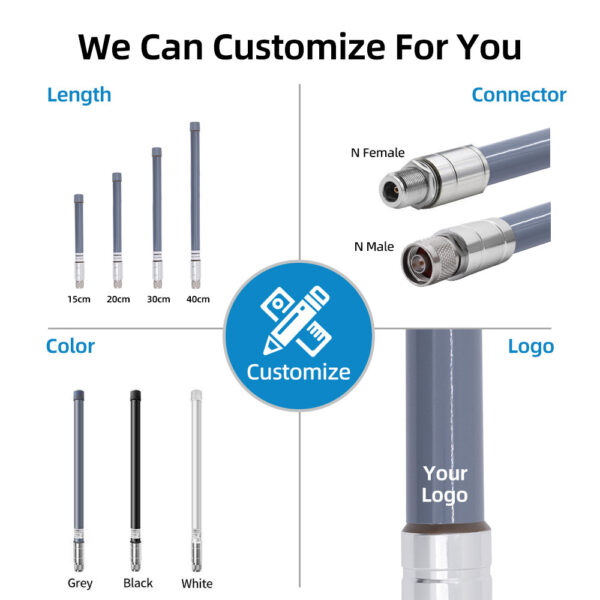
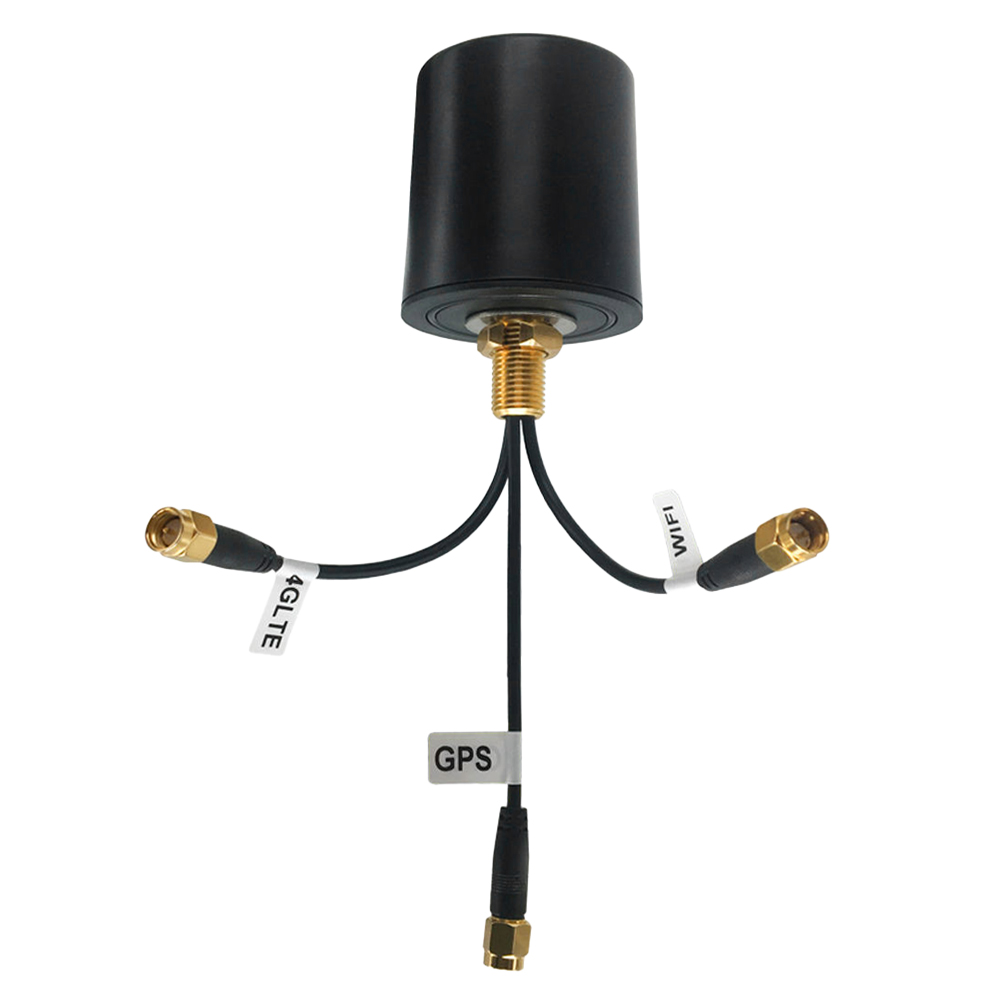
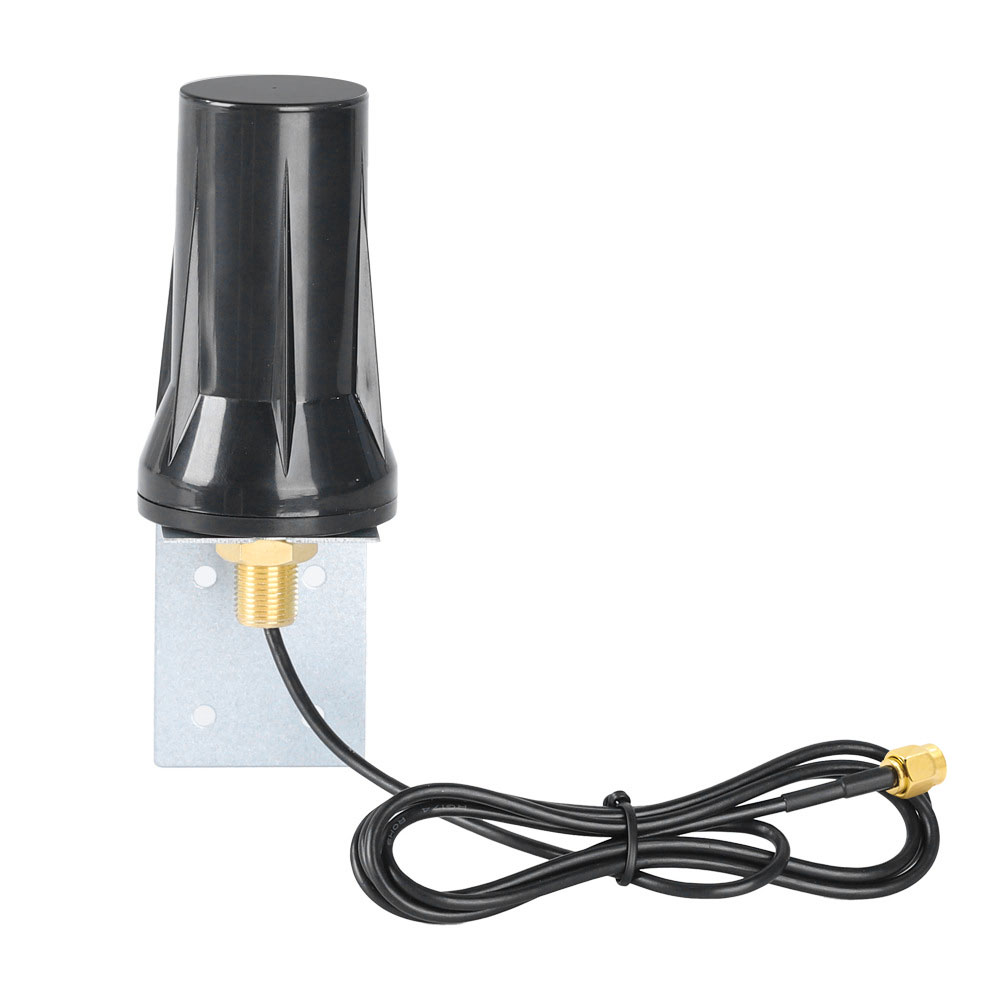
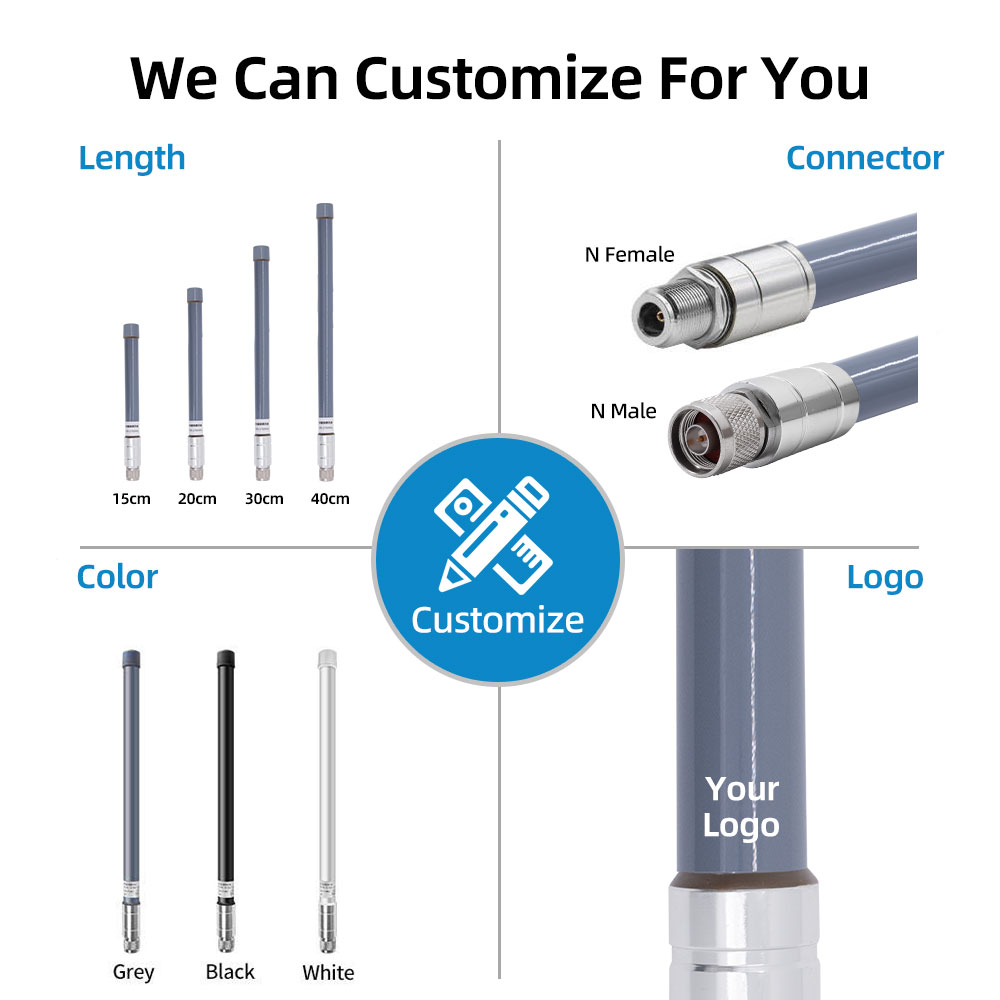
Aggregating Sites and Utility Cabinets – Cabinets, pumping stations and substations usually need one antenna for a router, a telemetry unit and a WiFi access point. An outdoor omni directional antenna covers all three on the supplied bracket, and four lengths and three colours mean one part number covers a tall mast or a short pole.
Q1. Which version do I need, and what gain will I actually get?
Depends on your radio. The 2.4 and 5 GHz body is quoted at 8 dBi and is the one most customers order as an omni fiberglass WiFi antenna, while the 800–2700 MHz body is quoted at 5 dBi for cellular and sub-GHz IoT. Gain isn’t a single number, though. It shifts with body length and with where you sit in the band, so tell us your band and radio and we’ll send the gain and VSWR curve.
Q2. Should I order the N-Female or the N-Male connector?
Whichever one matches the port on your radio, so no adapter ends up sitting out in the weather. We make the body with either gender, and it changes nothing about the omni directional antenna’s performance, only what it plugs into. Send us the radio model, and if you need a cable assembly too, we’ll build that to the same gender rather than putting a joiner on the mast.
Q3. How is the antenna mounted, and what about wind and lightning?
An outdoor omni directional antenna lives or dies on the install: pole or mast, bracket supplied, vertical, connector down so water can’t pool in the joint. If the site has lightning protection, keep the mount below the highest point, bond the mast to earth and fit a surge protector where the cable enters the building. The FRP antenna body looks after itself; the hardware is what needs watching.
Q4. Do I need two antennas for MIMO?
For 2×2 MIMO, yes, and the two need real separation to be worth having, which is why this fiberglass omni antenna ships as matched pairs. Take both from the same batch; add one later and the pair can differ by more than your link margin tolerates. Running 4×4? Send us the mounting footprint and we’ll confirm spacing. Single-chain radio? One unit, no separation rule.
jason@fs-sz.com
+86-13683276589
+86 13427976189
+86-0755-85223189