





Scroll to Top
Share to:
GPS Antenna External Magnetic Base for Vehicle Tracker
Product features:
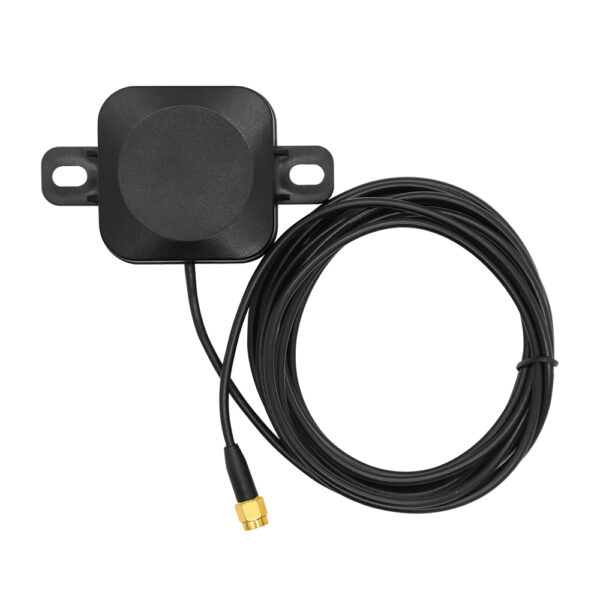
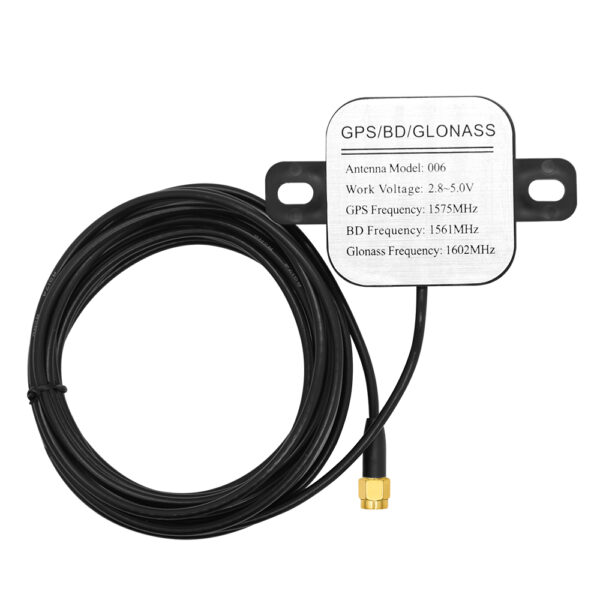
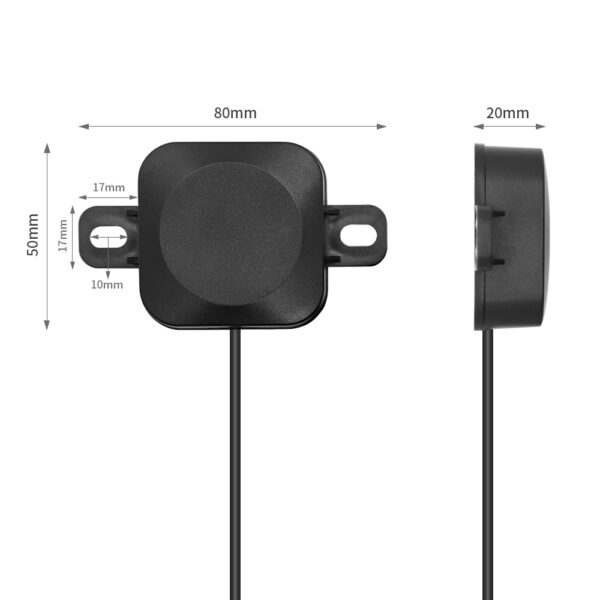
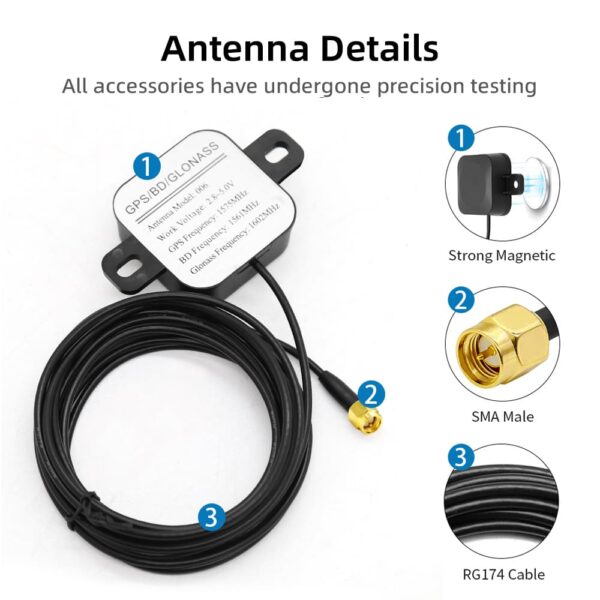
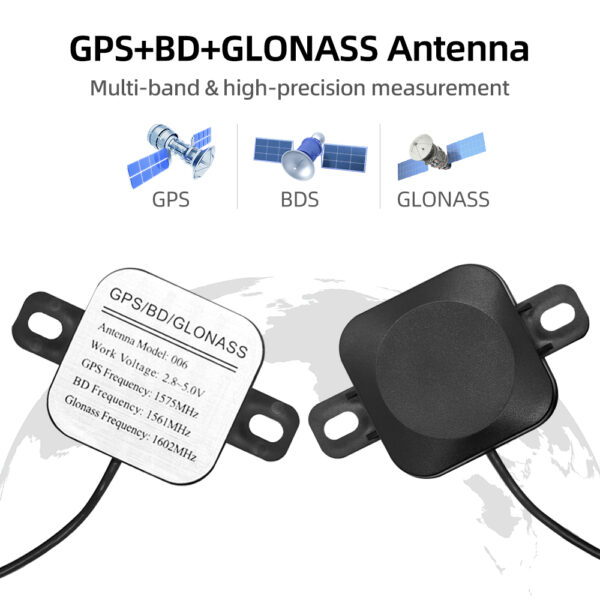
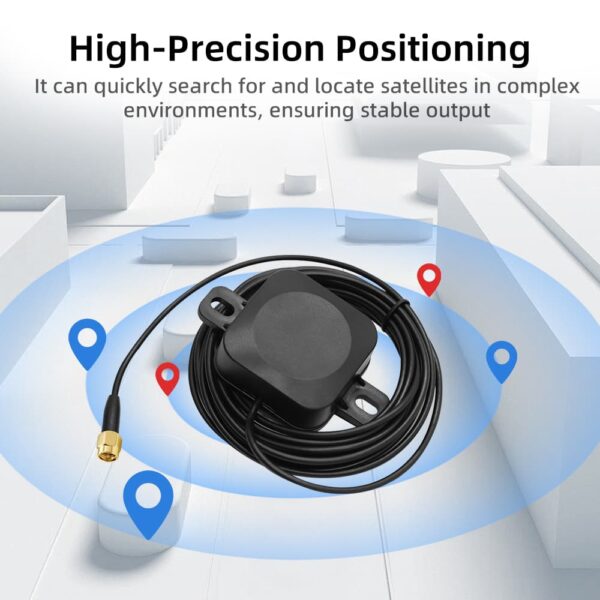
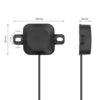
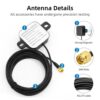
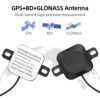
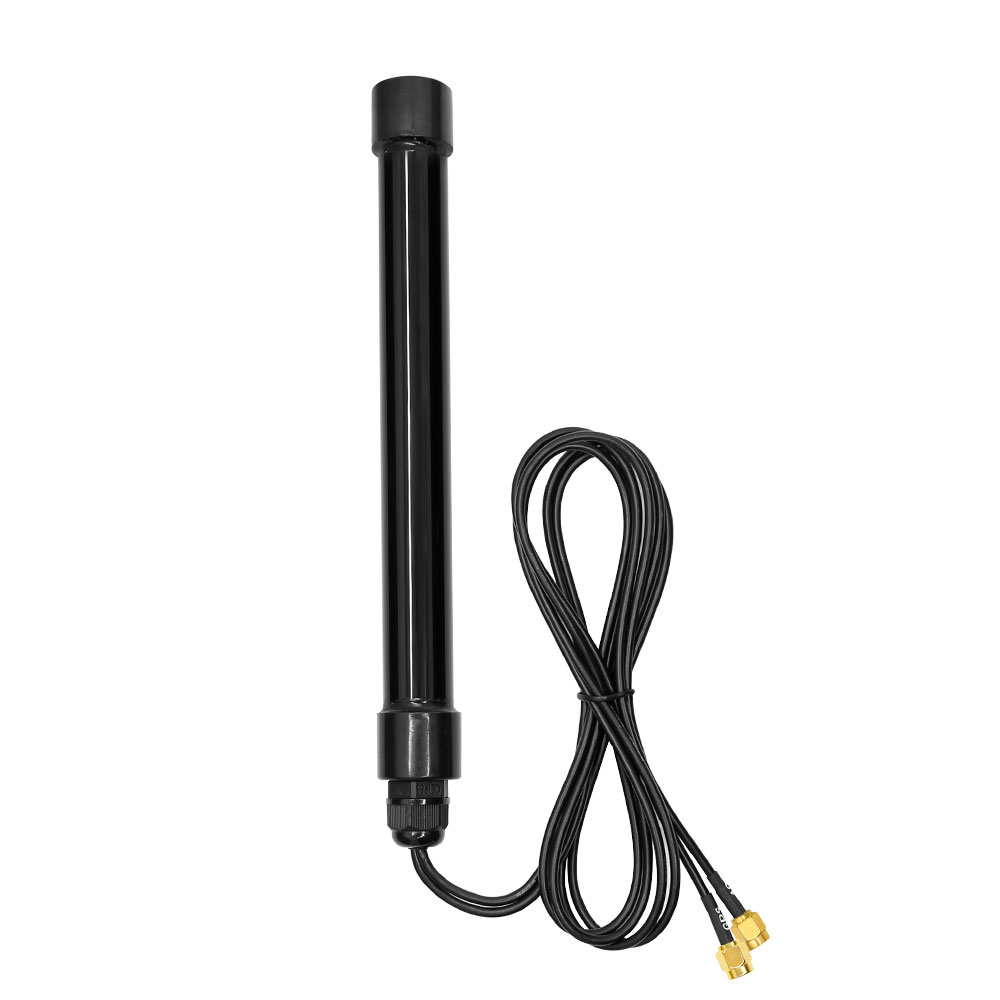
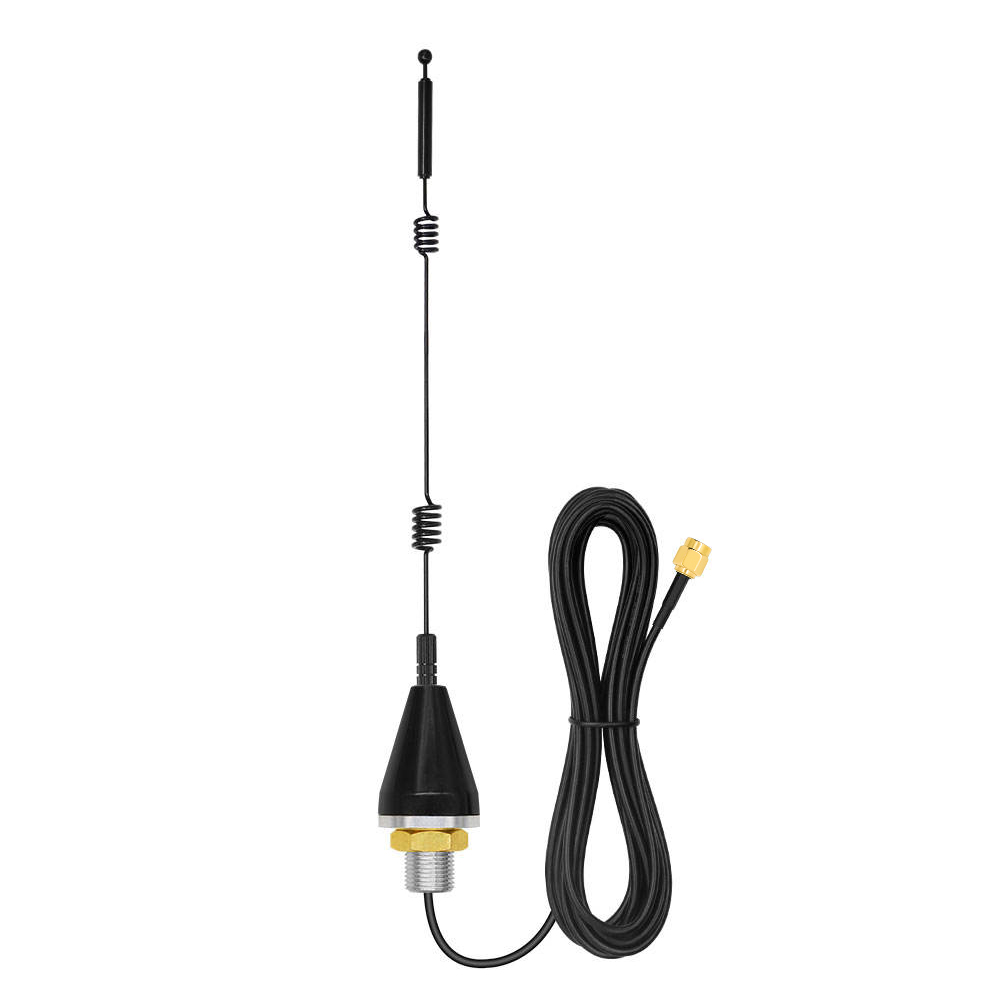
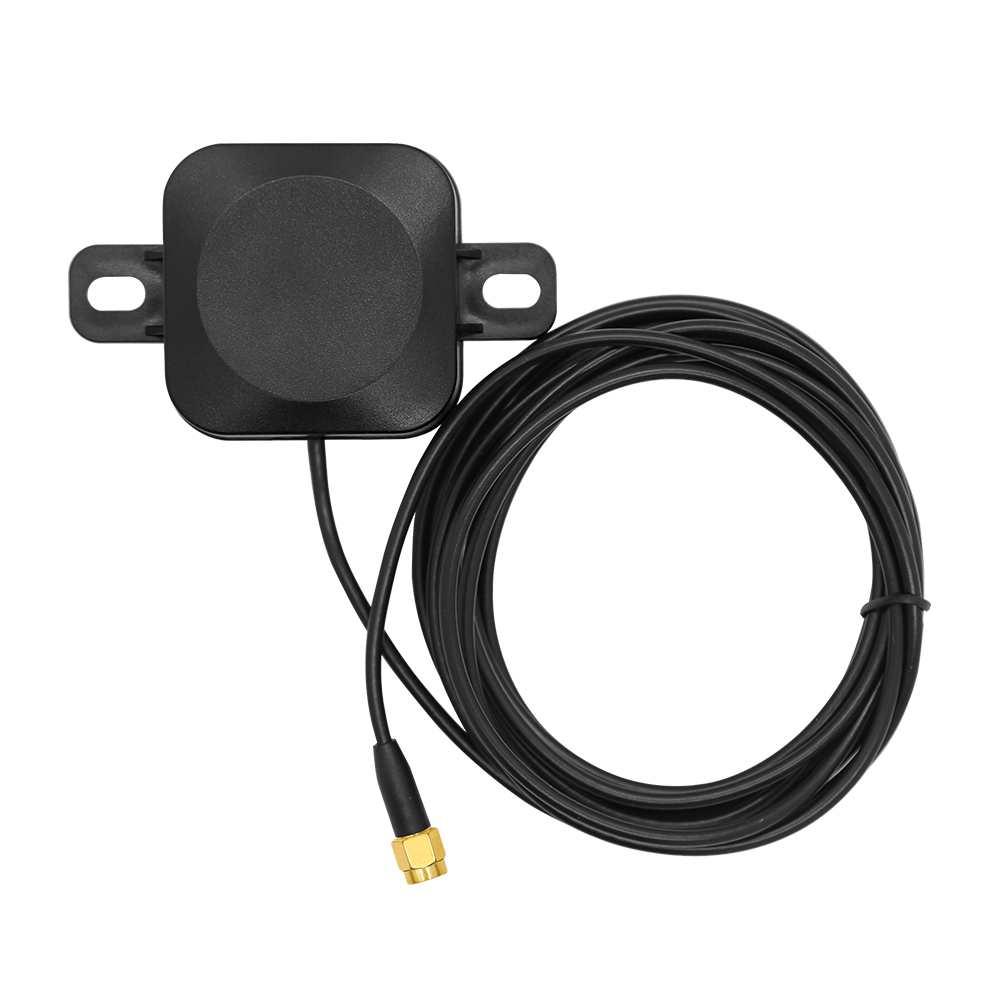
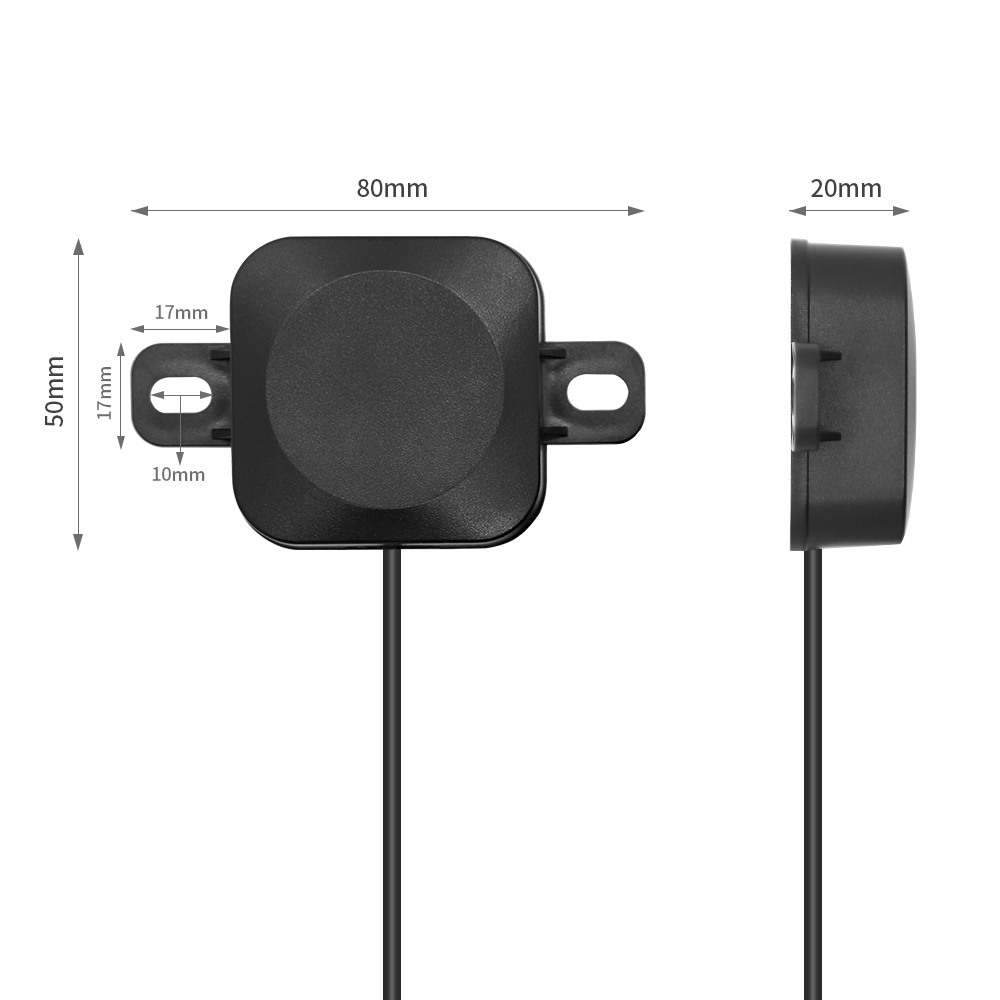
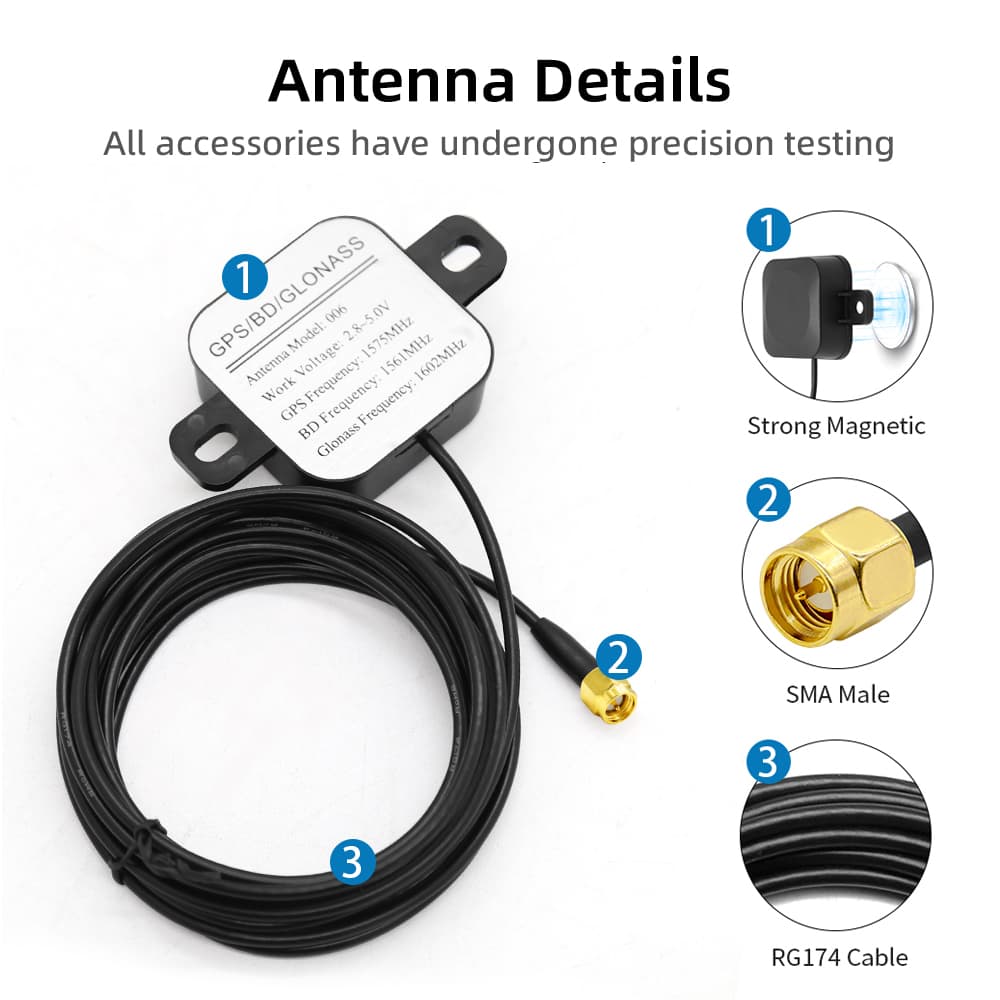
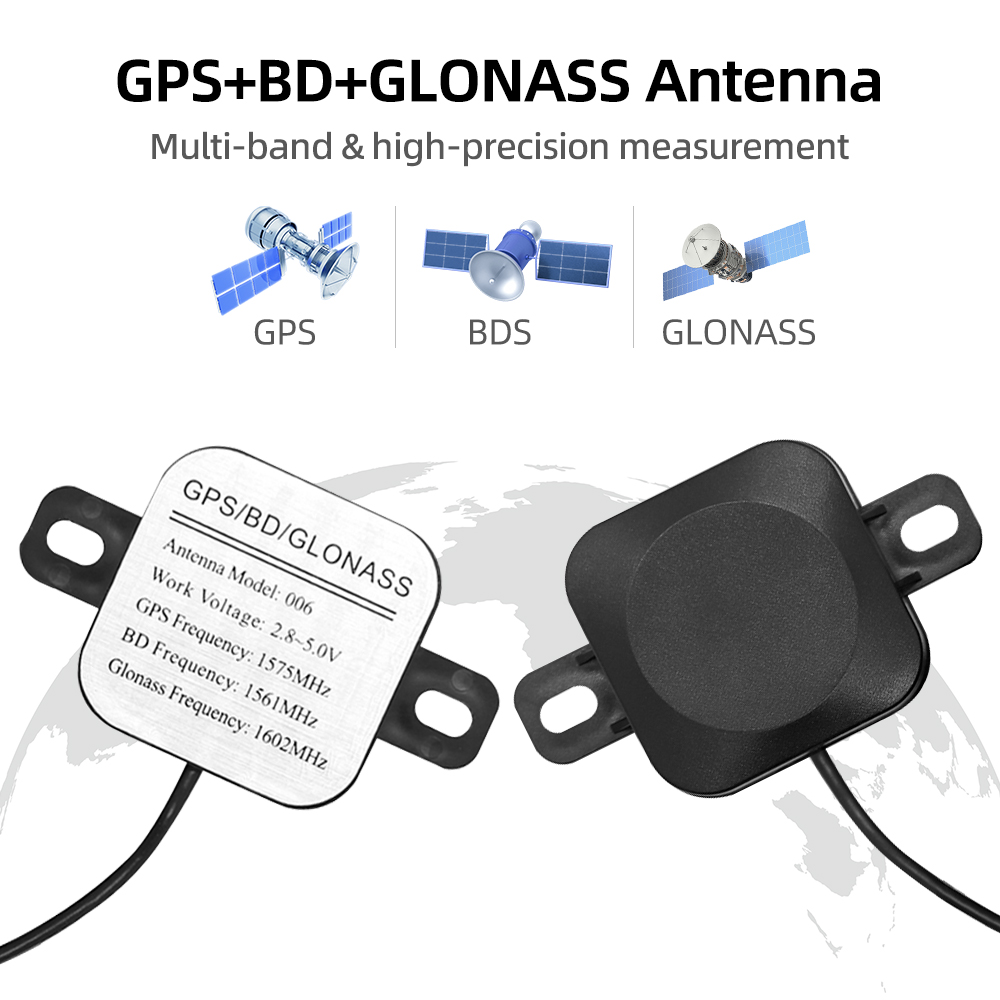
An external GNSS antenna helps receivers pick up satellite signals when equipment sits inside a metal enclosure or vehicle cabin. Its built-in patch supports GPS, BeiDou and GLONASS, giving compatible receivers access to multiple satellite systems for more reliable positioning. The sealed housing offers two mounting options: a screw flange for permanent installation on equipment panels and a magnetic base for quick attachment to steel roofs without drilling. Both options provide the metal ground plane the patch needs to operate properly. The active GPS antenna draws power through its coaxial cable, so there is no need for a separate power wire. We can also tailor the cable length, connector, LNA, filter and housing details to match your equipment. Whether you’re sourcing a GPS antenna for fleet tracking or integrating one into industrial equipment, we can configure the assembly around your installation requirements.
| Type | GPS Antenna | Antenna Gain | 28DBI |
| Number Of Bands | Can be customized | Terminals | support customized |
| Installation | can be customized | Connector Type | can be customized |
| Model Number | FS-G10 | Brand Name | support OEM |
| Place of Origin | Guangdong, China | Polarization | vertical |
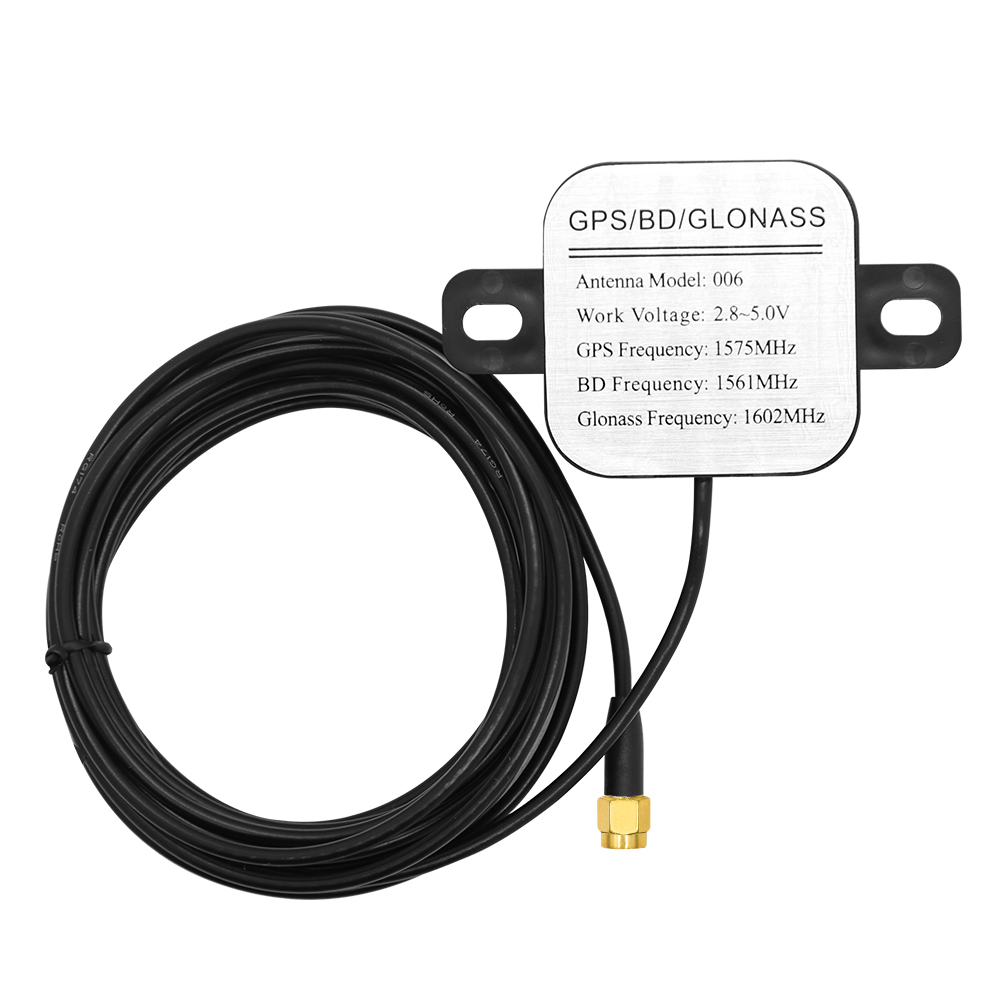
| Antenna Frequency | Can be customized | Bands | GPS/Beidou/Glonass |
| Frequency | 1575.42/1561MHz/1602MHz or can be customizee | Polarization | RHCP |
| Antenna Gain | 12 | Color | black |
| Certification | CE/FCC/ROHS/ISO9001:2000 | Impedance | 50Ω |
| VSWR | ≤1.5 | Connector | SMA Male or can be cusomized |
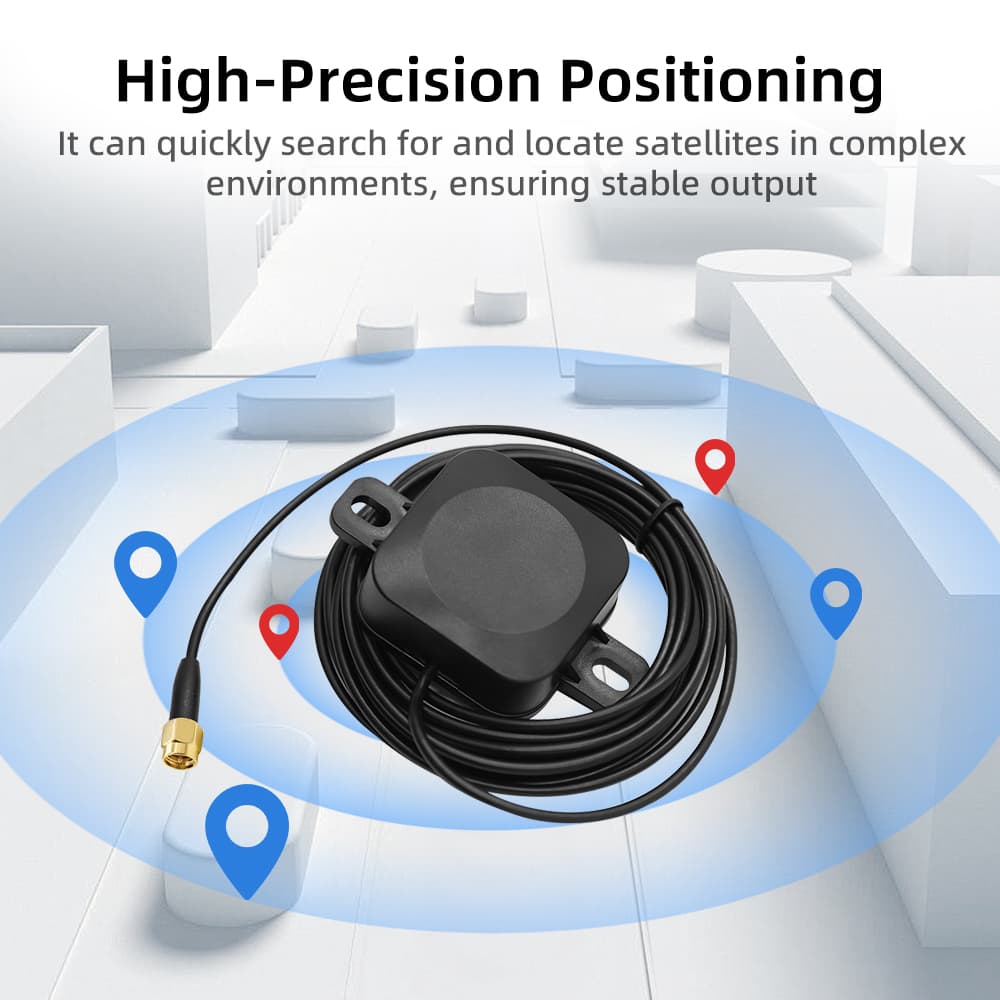
Fleet, Trailer and Container Tracking-Fleet trackers usually sit inside the cab or a sealed enclosure, where satellite signals may be weak. An external GNSS antenna lets the receiver get a better view of the sky by placing the antenna outside the vehicle. The screw-mount version attaches to a roof or chassis bracket, while the magnetic version fits steel trailer roofs without drilling. For fleet installations, mounting security, cable length and resistance to water and vibration all deserve attention.
Insurance Telematics and OBD Devices-Insurance telematics units and OBD trackers usually have limited space and power available for the antenna. An active GPS antenna draws DC power through its coaxial cable, so its voltage and current requirements must match the receiver. Cable length and connector type matter too, especially when the OBD device sits under the dashboard and the antenna needs to reach the roof. Getting these details right helps avoid compatibility issues during installation.
Agricultural and Construction Machinery-Tractors, excavators and other heavy equipment rarely have an unobstructed view of the sky. Cab roofs, sheds and overhead structures can all affect satellite reception. Mounting an active GPS antenna on a clear, elevated surface gives it a better chance of receiving satellite signals. A screw flange also provides a more secure fixing than adhesive when machinery faces constant vibration, rain and regular cleaning. Proper cable routing and sealing around the mounting point help protect the installation over time.
Shared Bikes, Scooters and Small EVs-Shared bikes, scooters and compact electric vehicles need antennas that fit into small enclosures and withstand daily use outdoors. A screw-flange GNSS antenna is usually more practical than a magnetic model when the housing is made of plastic or composite material. Matching the cable length to the frame and enclosure layout also saves installers from cutting or re-terminating cables during assembly.
Remote Monitoring and Solar-Powered Sites-Weather stations, tank monitors and agricultural sensors may only record their position at set intervals. For these devices, a single-band GNSS antenna can be a cost-effective choice if its frequency matches the receiver. Solar-powered systems also require attention to the antenna’s DC bias voltage and current draw, particularly when battery voltage changes during charging and discharge. Matching the antenna’s power requirements to the receiver helps keep the system running reliably.
Applications That Require a Different Antenna-A standard single-band GPS antenna is not the right choice for every positioning task. RTK surveying, precision machine control and similar applications generally require multi-frequency antennas to help correct ionospheric errors and support centimetre-level positioning. GNSS timing systems have their own requirements for timing performance and receiver compatibility. Magnetic mounting on a boat deck or fibreglass roof also needs extra consideration: if the antenna relies on a metal ground plane, you’ll need to provide a suitable metal plate beneath it.
Q1. Is this a GNSS antenna or a GPS antenna?
GPS is one of several satellite navigation systems covered by the broader term GNSS. This antenna supports GPS, BeiDou and GLONASS, as long as the receiver can process all three. Their signals fall within nearby frequency ranges, allowing one patch to receive multiple constellations. Using several systems gives the receiver access to more satellites, which can help maintain positioning in areas where the sky view is partly blocked.
Q2. Can I use this antenna for RTK or centimetre-level positioning?
This model targets standard GNSS positioning rather than precision RTK work. It uses a single-frequency design, while most RTK systems rely on multiple frequencies to reduce ionospheric errors and achieve centimetre-level accuracy. If your project involves surveying, machine control or an RTK rover, a multi-band external GNSS antenna is a better fit. Check the supported frequencies carefully, especially if your receiver requires L2 or L5.
Q3. What does the 28 dB, 12 dB or 2–3 dBi gain figure mean?
The figures describe different parts of the antenna. The 28 dB value refers to the LNA’s amplification, while 2–3 dBi describes the patch element’s antenna gain. The 12 dB figure may refer to a different amplifier version, so it shouldn’t be mixed with the other specifications. When comparing an active GPS antenna, look at the LNA gain and element gain separately, along with the noise figure and supply voltage.
Q4. Should I choose the screw-mount or magnetic version?
The screw-mount version suits installations where you can drill into the roof, bracket or enclosure and want a fixed attachment. Choose the magnetic version when you need to mount the antenna on a steel vehicle roof, trailer or cabinet without drilling. Both versions need a suitable ground plane if the patch design calls for one. Plastic and fibreglass surfaces may therefore need an additional metal plate. The right choice comes down to the mounting surface and how securely the antenna needs to stay in place.
Sales: nora@fs-sz.com
Technical Support:jason@fs-sz.com
Sales :+86-13316864973
Technical Support :
+86-13683276589
+86-13427976189
+86-0755-85223189