




Scroll to Top
Share to:
Waterproof Fiberglass Gooseneck Antenna for WiFi Router
Product features:
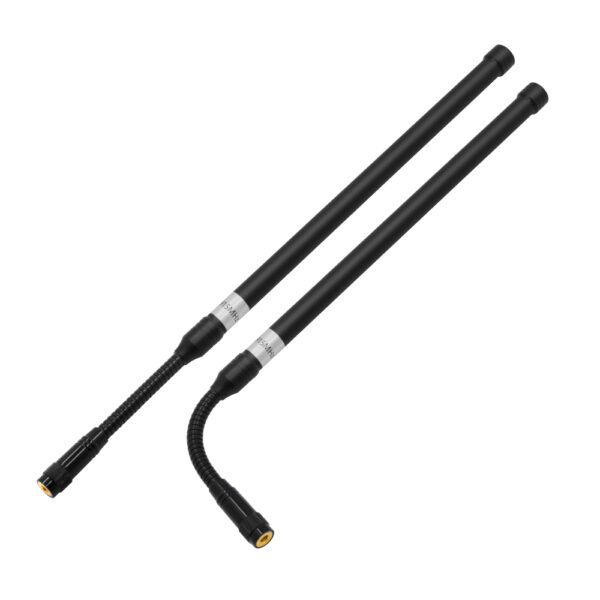
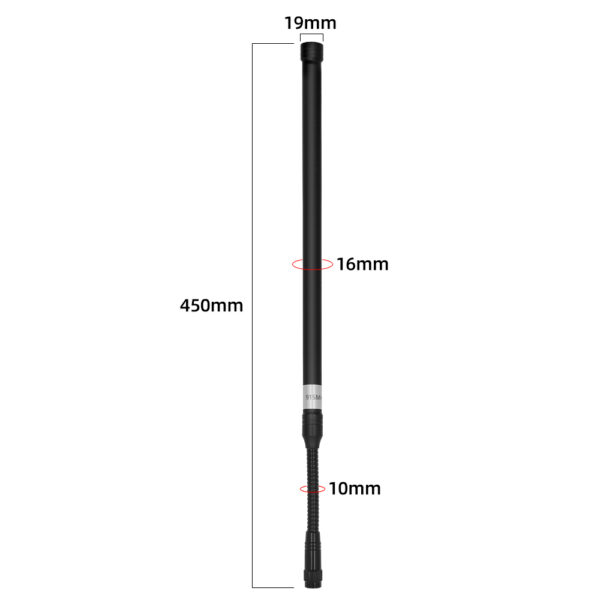
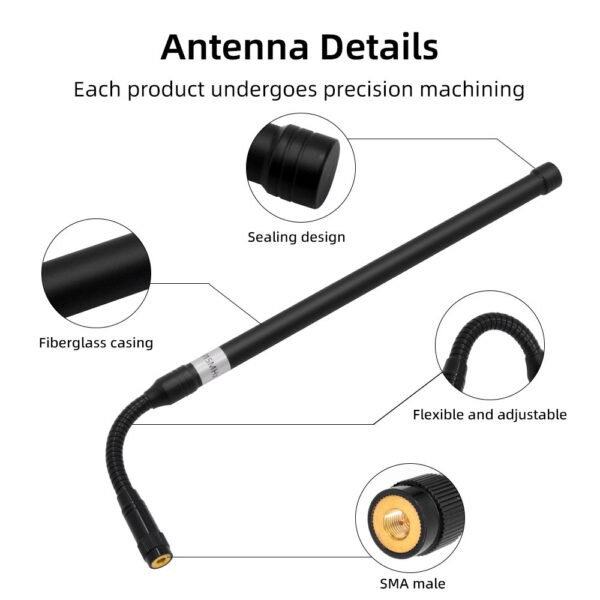
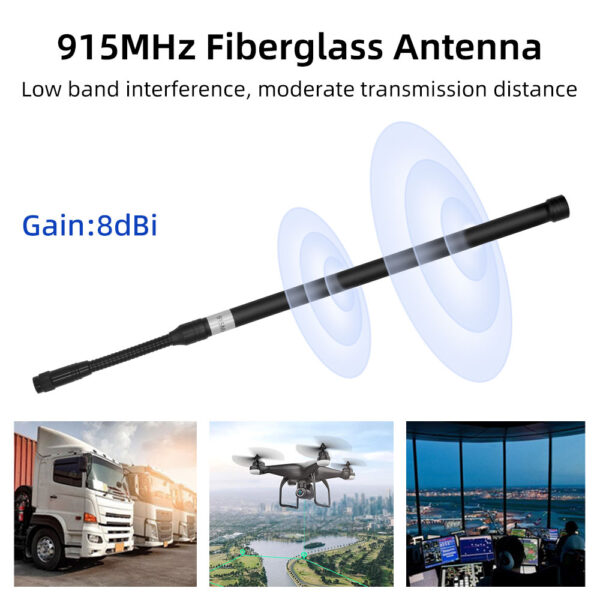
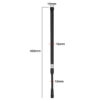
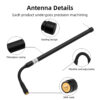
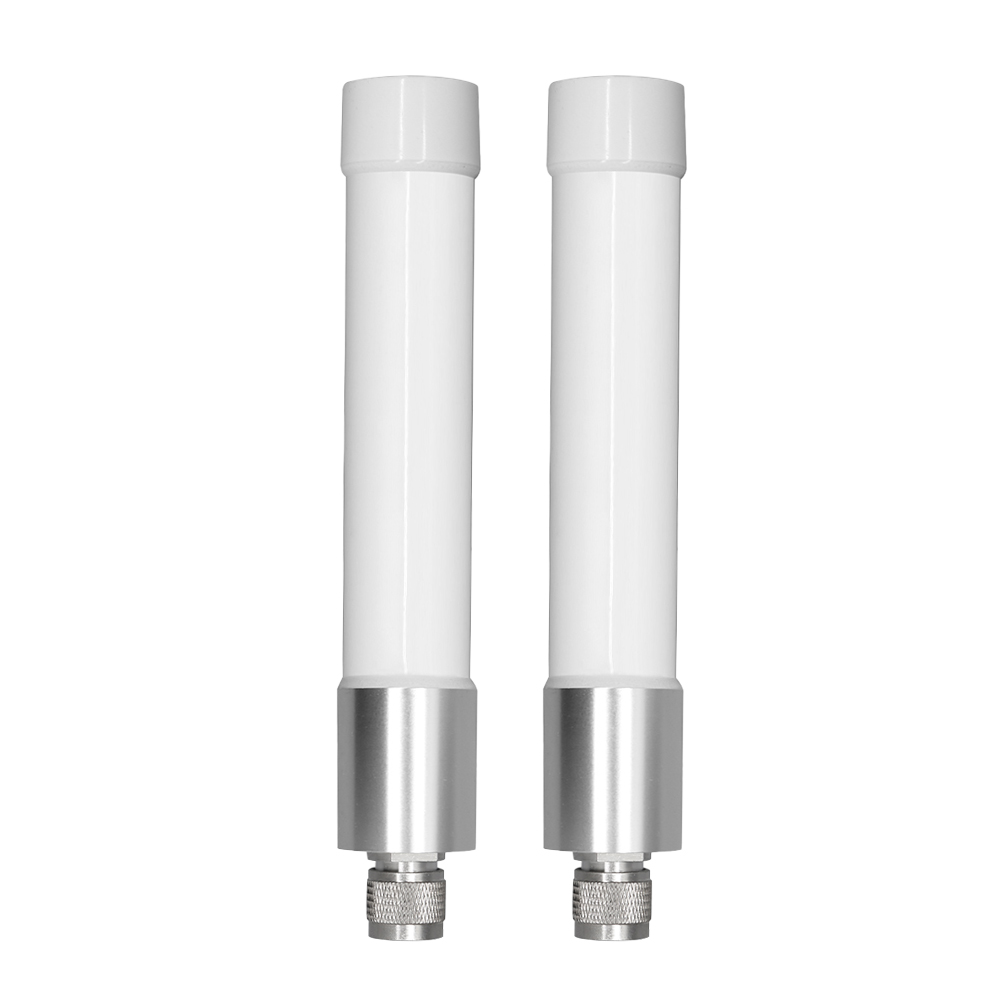
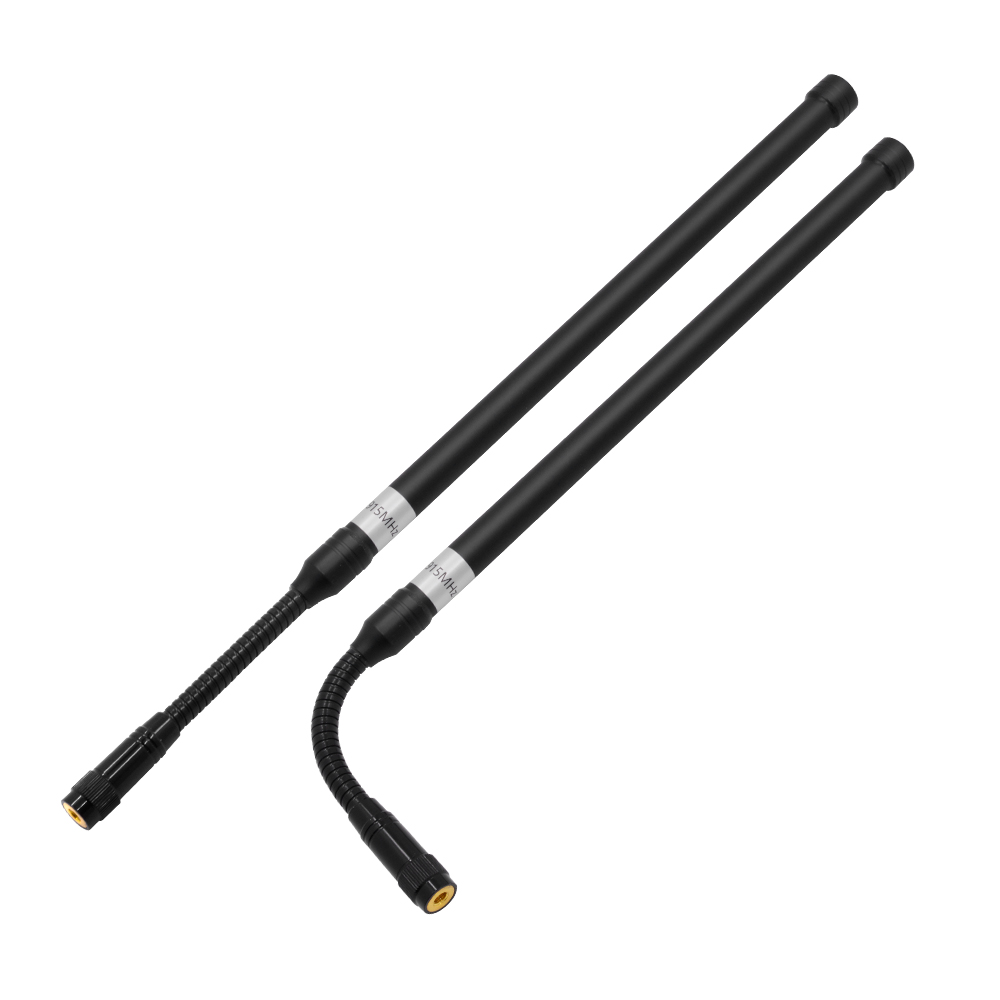
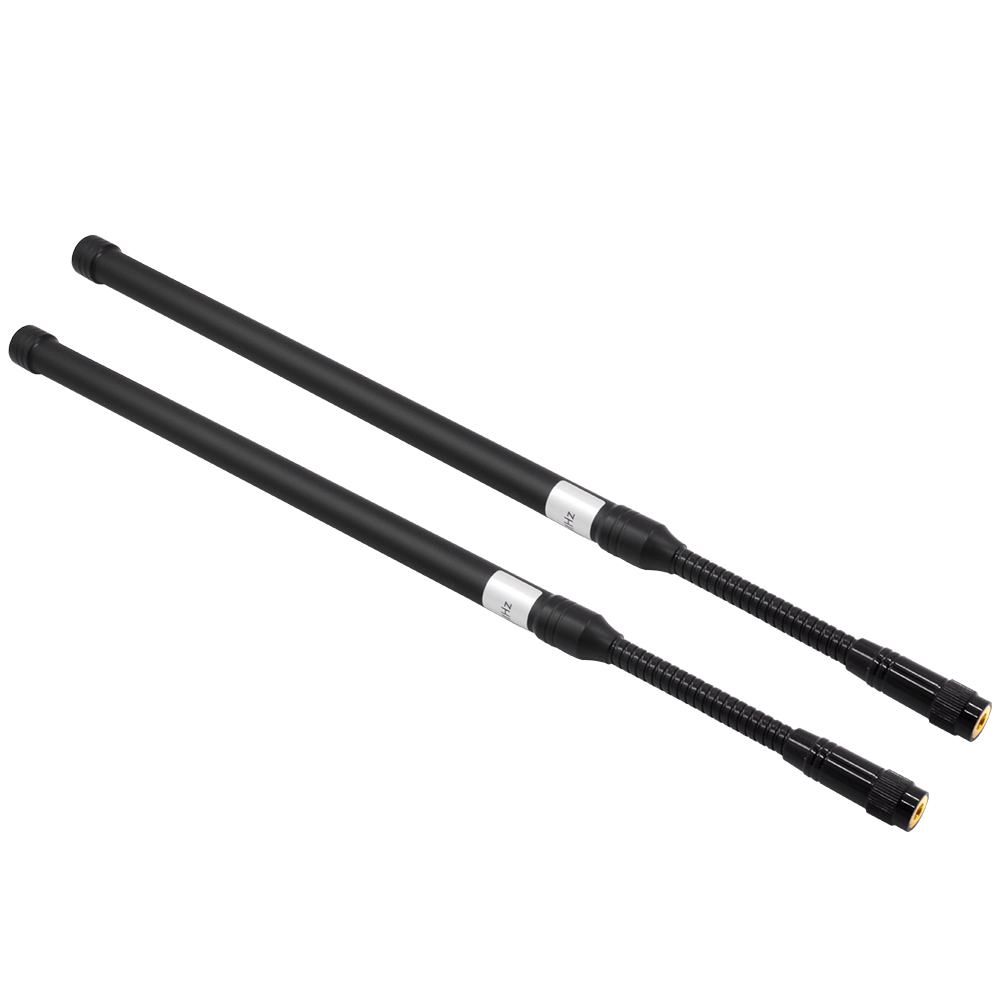
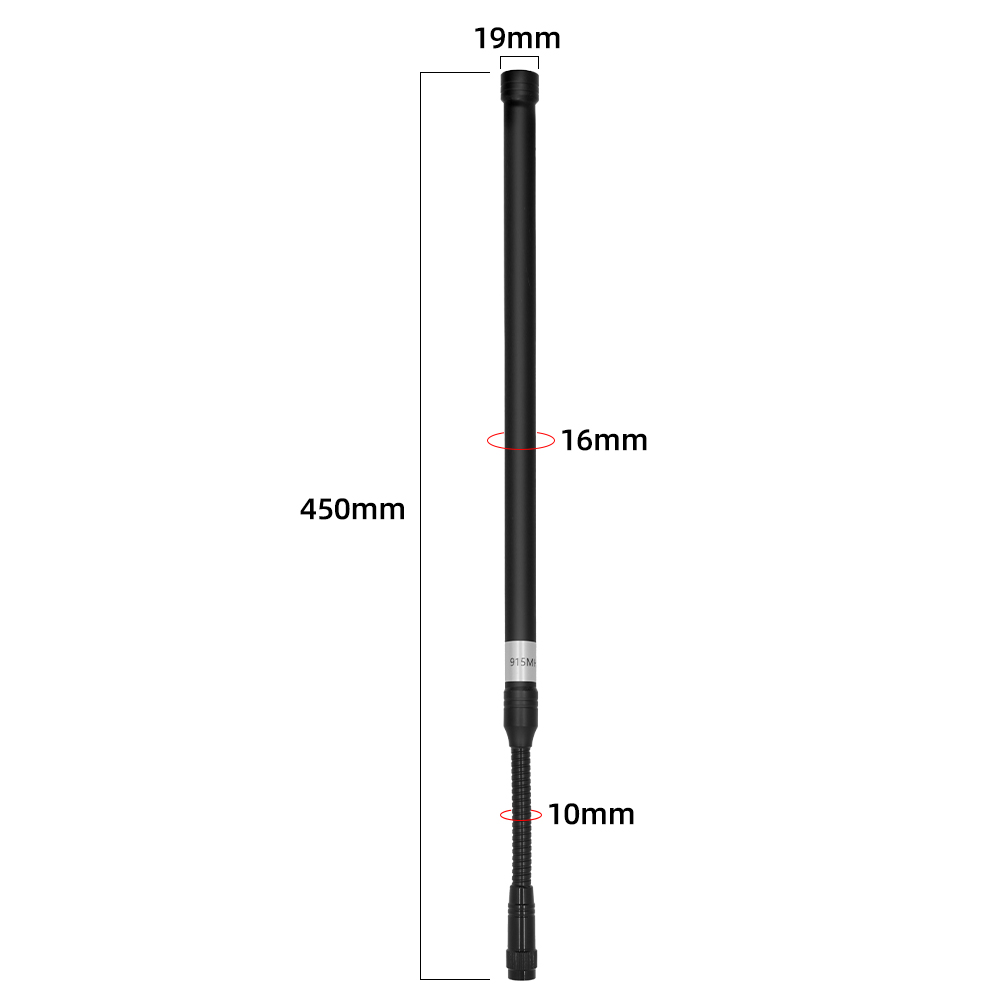
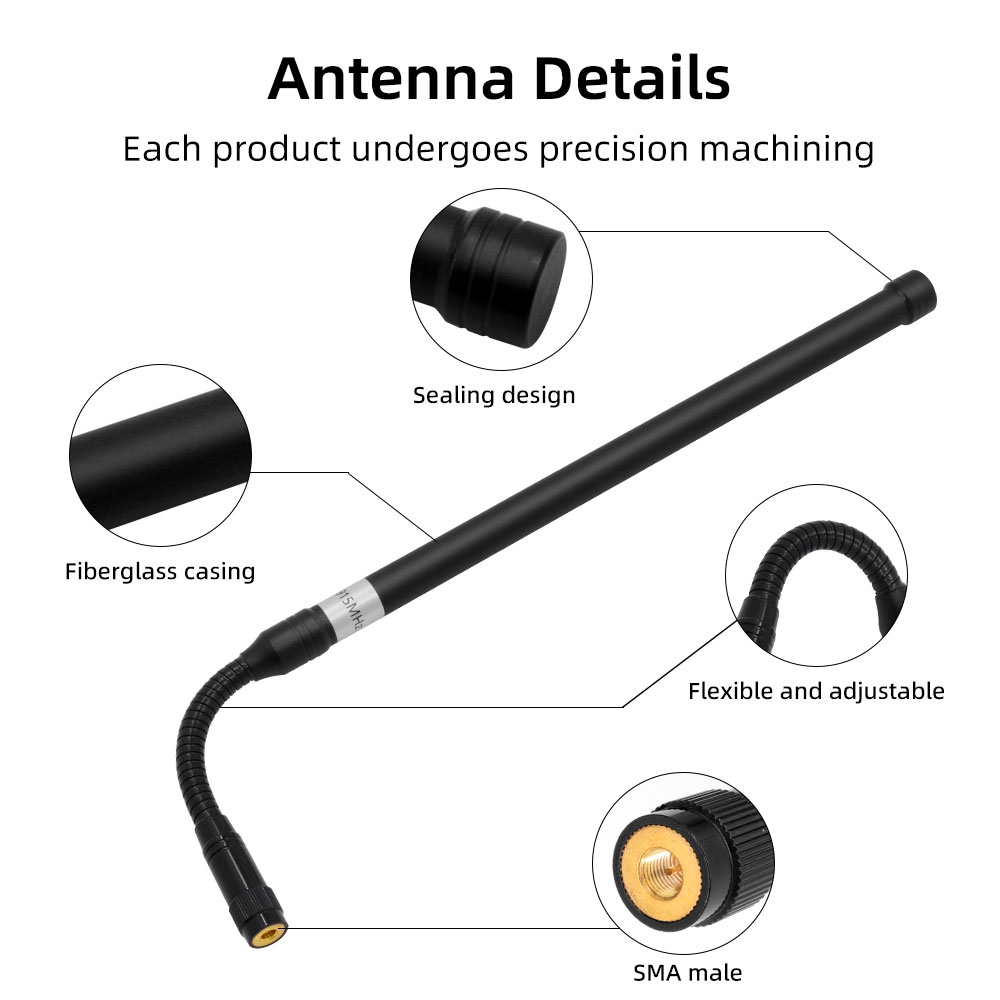
The FS-F2 is a fiberglass gooseneck antenna for WiFi routers, wireless access points and outdoor base stations. Its flexible neck allows easy angle adjustment on sloped brackets or near walls. The IP67-rated housing is designed for outdoor use, and the SMA male connector fits compatible SMA female ports. With a VSWR below 1.5 and a maximum input power of 50 W, it suits compatible wireless systems. The 915 MHz version offers 8 dBi gain, while the 2.4/5 GHz version offers 10 dBi.
| Type | Fiberglass Gooseneck Antenna | Antenna Gain | 10 |
| Number Of Bands | 2.4G or customized | Terminals | N-female or customized |
| Model Number | FS-F2 | Place of Origin | Guangdong, China |
| Polaration | Vertical | Installation | Screw |
| Impedance | 50 | Max input power | 50 |
| Gain | 10DBI or customized | Color | silver |
| VSWR | less than 1.5 | Max power | 50W |
| Material | Fiberglass | Single gross weight | 3.0 kg |
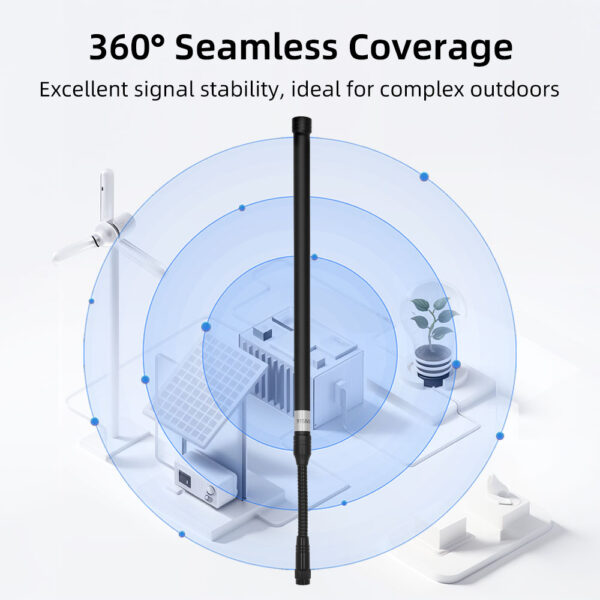
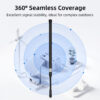
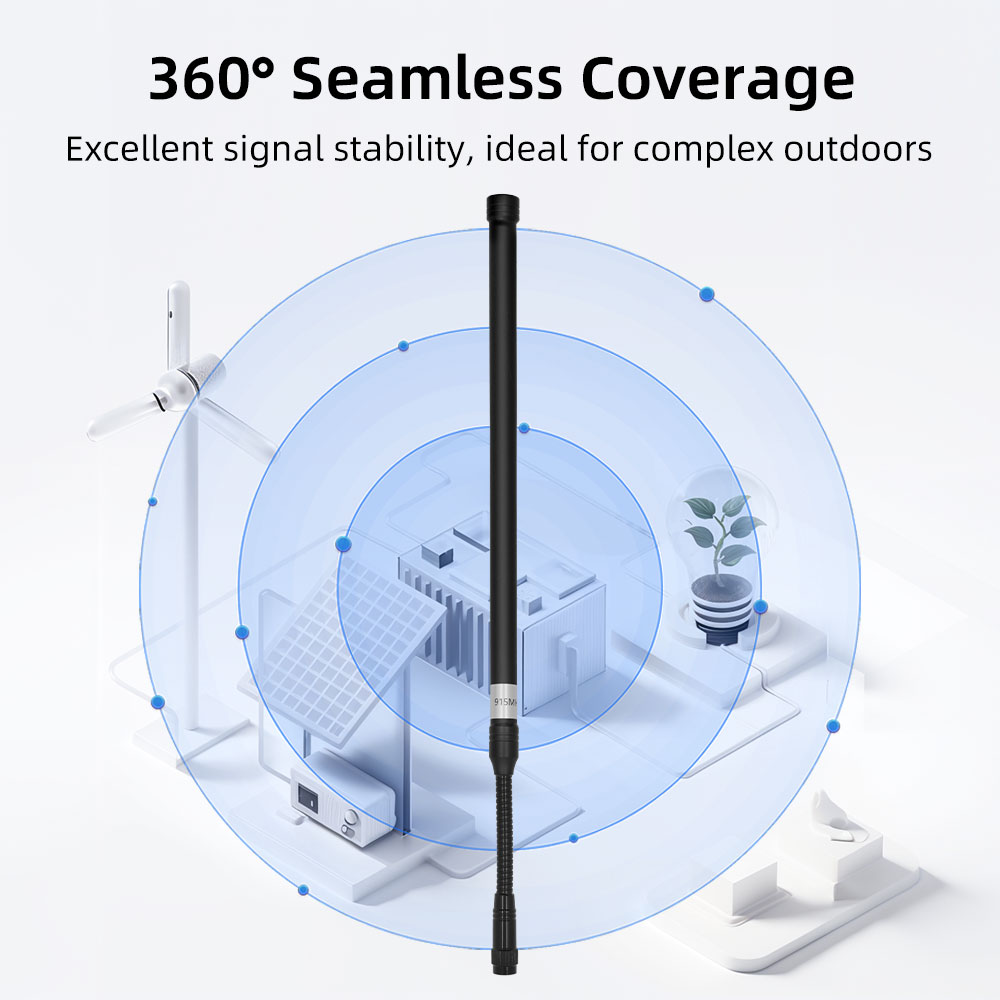
WiFi Routers & Access Points-Replacing an antenna on a router or access point often comes down to two things: the connector and the space available around the device. A fiberglass antenna for wifi router setups with a flexible gooseneck can bend around walls, shelves or nearby equipment for easier installation. Its omnidirectional pattern provides coverage in multiple directions without the need to point it toward each connected device.
Outdoor Base Stations & Wall-Mounted CPE-For outdoor installations, an antenna needs to cope with rain, sunlight and changing temperatures. This waterproof fiberglass antenna can be mounted on a wall or pole, with the flexible neck making it easier to clear brackets and nearby surfaces. Make sure the connector and cable joint are properly sealed if they will be exposed to the weather.
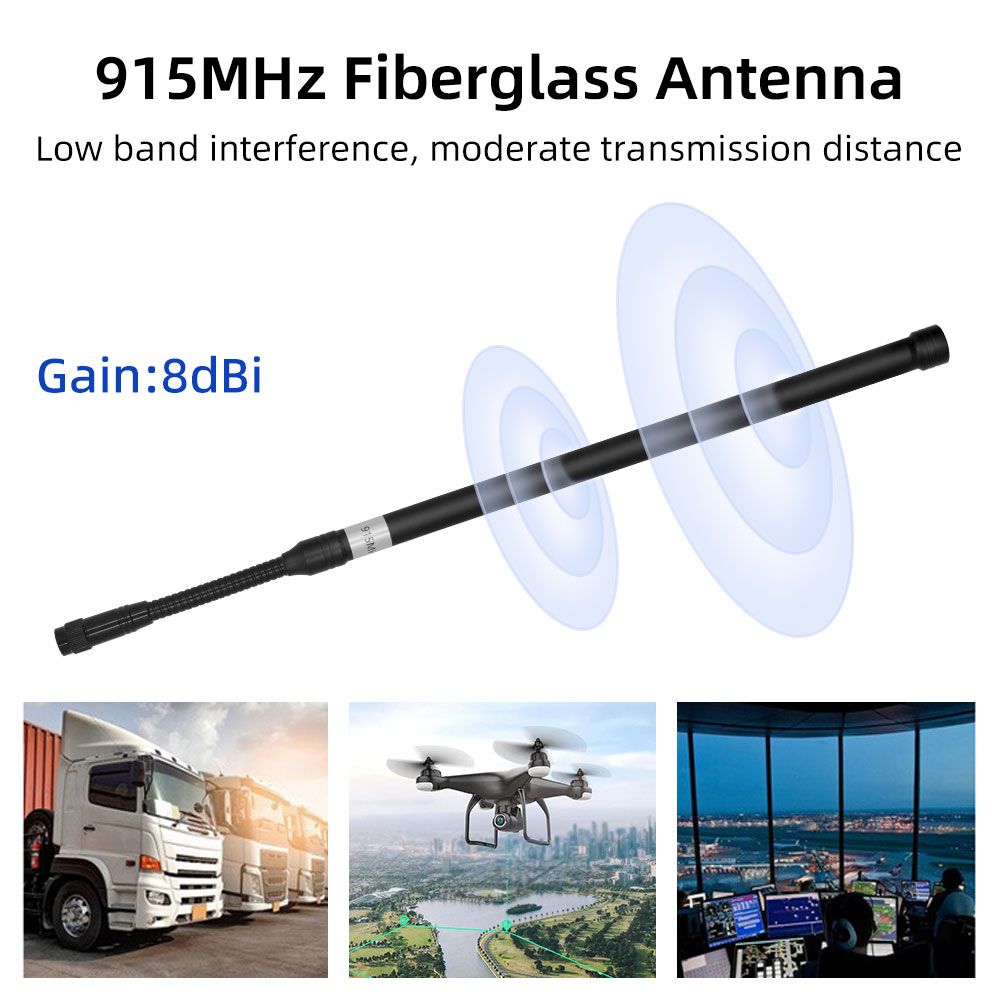
915 MHz LoRa Gateways & Telemetry-LoRaWAN gateways, irrigation controllers and utility sensors operating at 902–928 MHz rely on a suitable antenna for site-wide coverage. The fiberglass gooseneck antenna is useful when mounting space is tight or a straight antenna would get in the way. An 8 dBi version may be a good fit for wider coverage toward the horizon, depending on the site layout and mounting height.
Fleet, Truck & Trailer Telematics-Antennas on trucks and trailers face constant vibration, rain, road grime and regular washing. The flexible neck lets the antenna sit clear of roof fittings and other obstacles, while the fiberglass body is designed for outdoor use. Before installation, check the connector type and mounting arrangement to make sure they match the vehicle equipment.
UAV Ground Stations & Control Rooms-Ground stations and control rooms may use antennas on short masts, window brackets or exterior walls. A wifi omnidirectional antenna can cover devices in different directions, and the flexible neck makes it easier to keep the antenna clear of window frames and other structures. Check the frequency, connector and cable length before ordering to ensure a proper fit.
Q1. Which frequency should I choose: 915 MHz or 2.4/5 GHz?
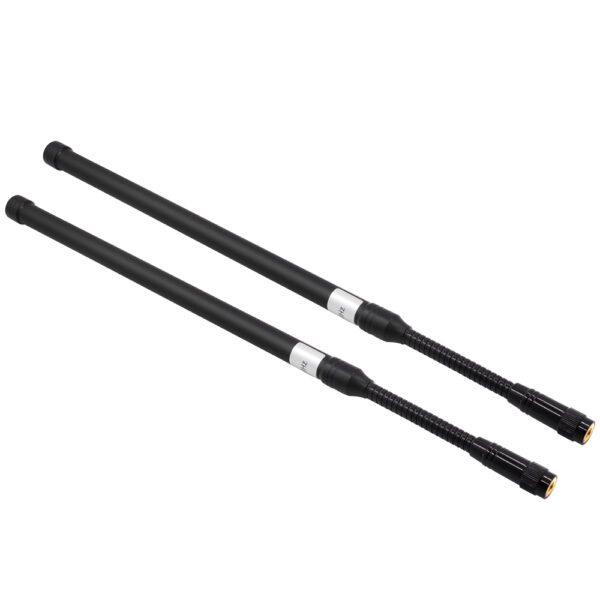
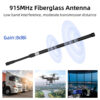
This fiberglass gooseneck antenna is available in different frequency versions for different wireless systems. The 915 MHz model has an 8 dBi gain, while the 2.4/5 GHz version has a 10 dBi gain. The photos show the 915 MHz model, which is marked on the antenna body. If you are unsure which version fits your device, let us know its operating frequency and connector type before ordering.
Q2. Will this antenna work with my WiFi router?
That depends on the router’s frequency band and antenna connector. Some routers use SMA connectors, while others use RP-SMA. They look similar, but the center contacts differ, so it is worth checking before you buy. If you need a fiberglass antenna for WiFi router use, send us the router model or a photo of its antenna port. We can help check compatibility and confirm the right connector.
Q3. Will an 8 dBi or 10 dBi antenna give me better WiFi coverage?
It depends on where and how you use it. A WiFi omnidirectional antenna sends and receives signals around the antenna, making it useful when devices are spread out in different directions. Higher gain can improve coverage along the horizontal plane, but it also narrows the vertical radiation pattern. Antenna height, cable length, walls, and other obstacles all affect the actual range, so the best gain depends on your installation rather than the number alone.
Q4. Can I bend the gooseneck to adjust the antenna angle?
Yes, the flexible neck lets you adjust the antenna angle to suit your mounting position. This is useful when the antenna is installed on a bracket or uneven surface and needs to be positioned upright. Once installed, avoid bending it back and forth unnecessarily, as repeated movement can wear out the joint. When tightening the connector, hold the antenna body rather than twisting the neck.
jason@fs-sz.com
+86-13683276589
+86 13427976189
+86-0755-85223189