




Scroll to Top
Share to:
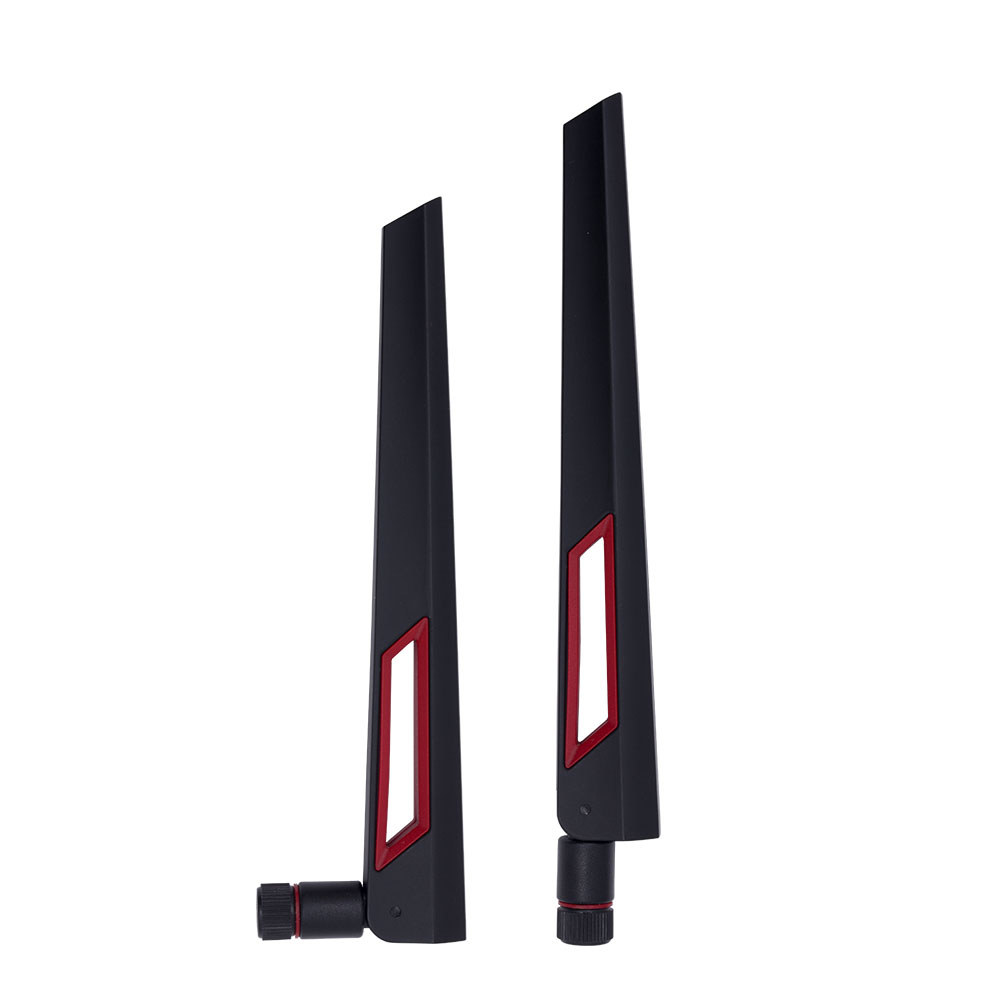
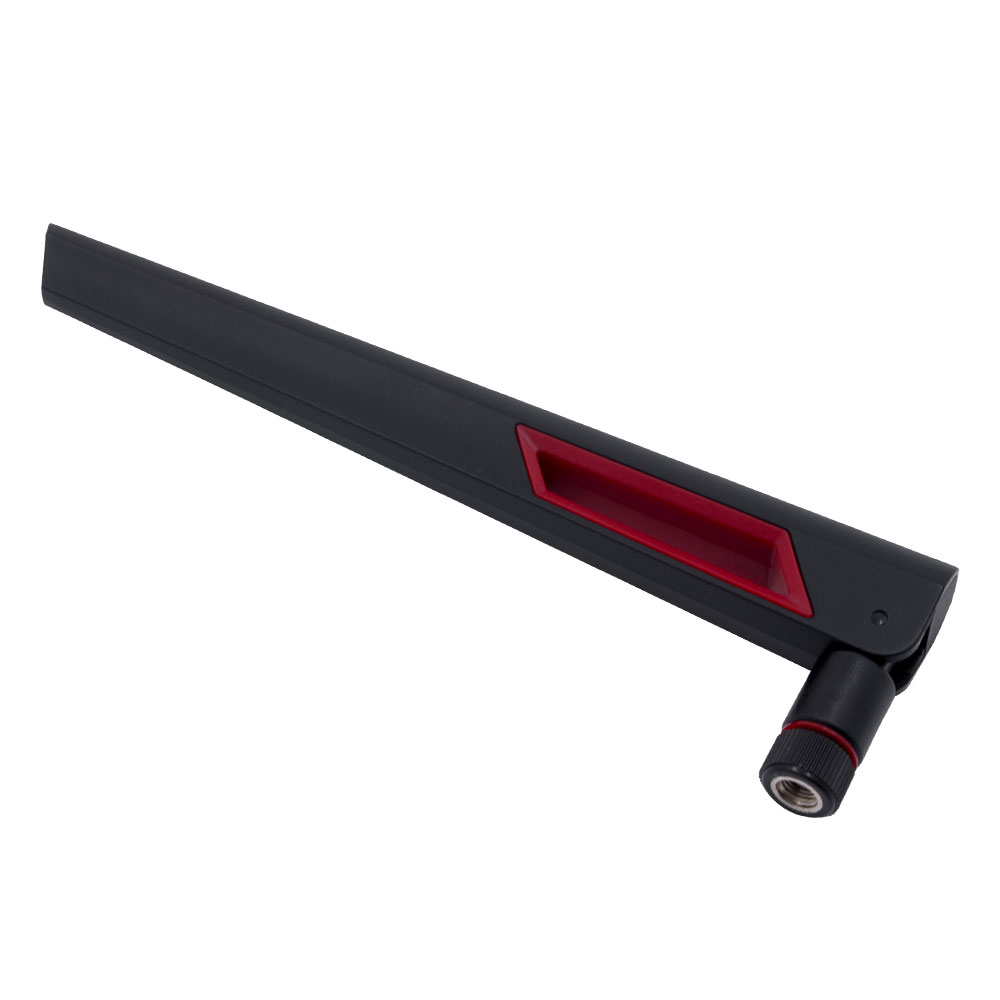
Dual Band Antenna for WiFi Router Replacement
Product features:
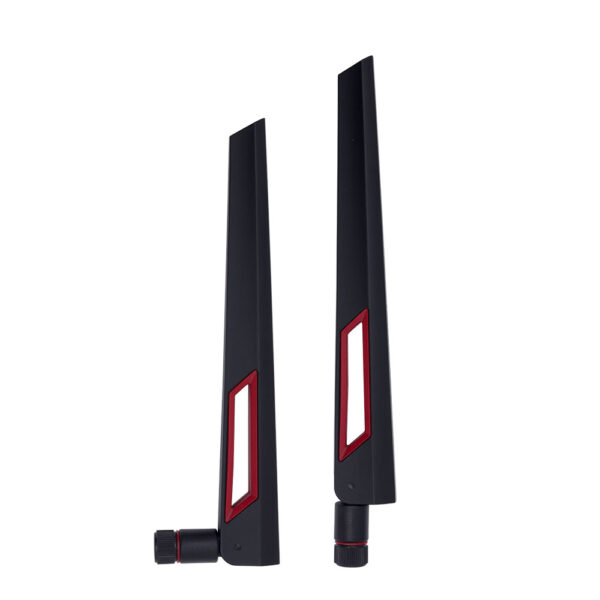
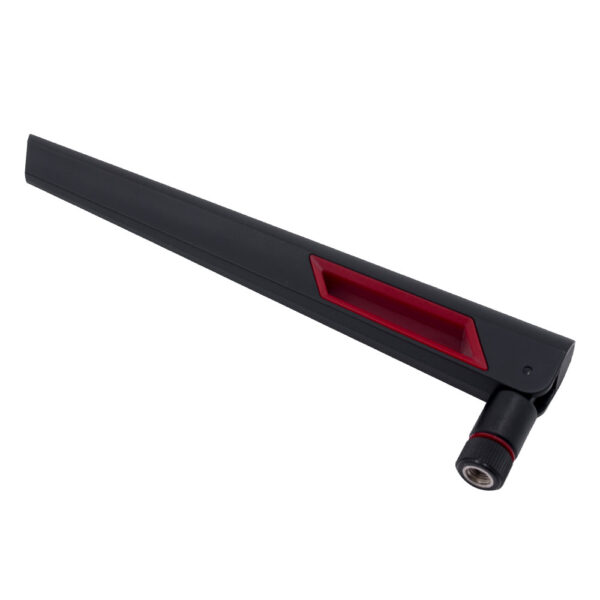
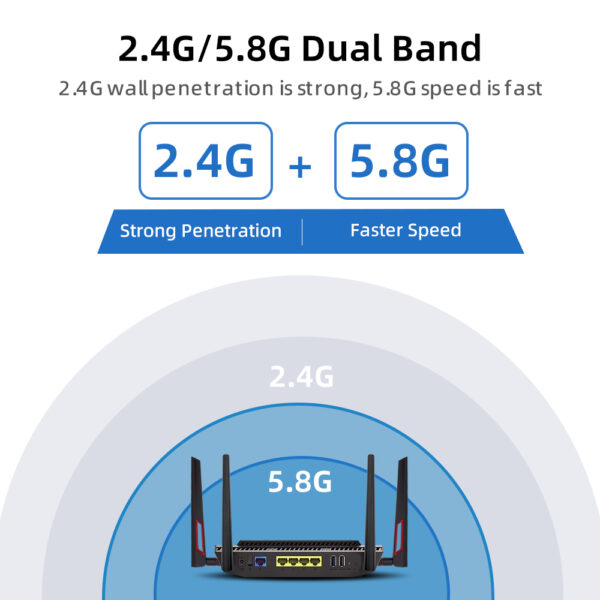
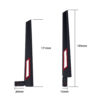
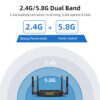
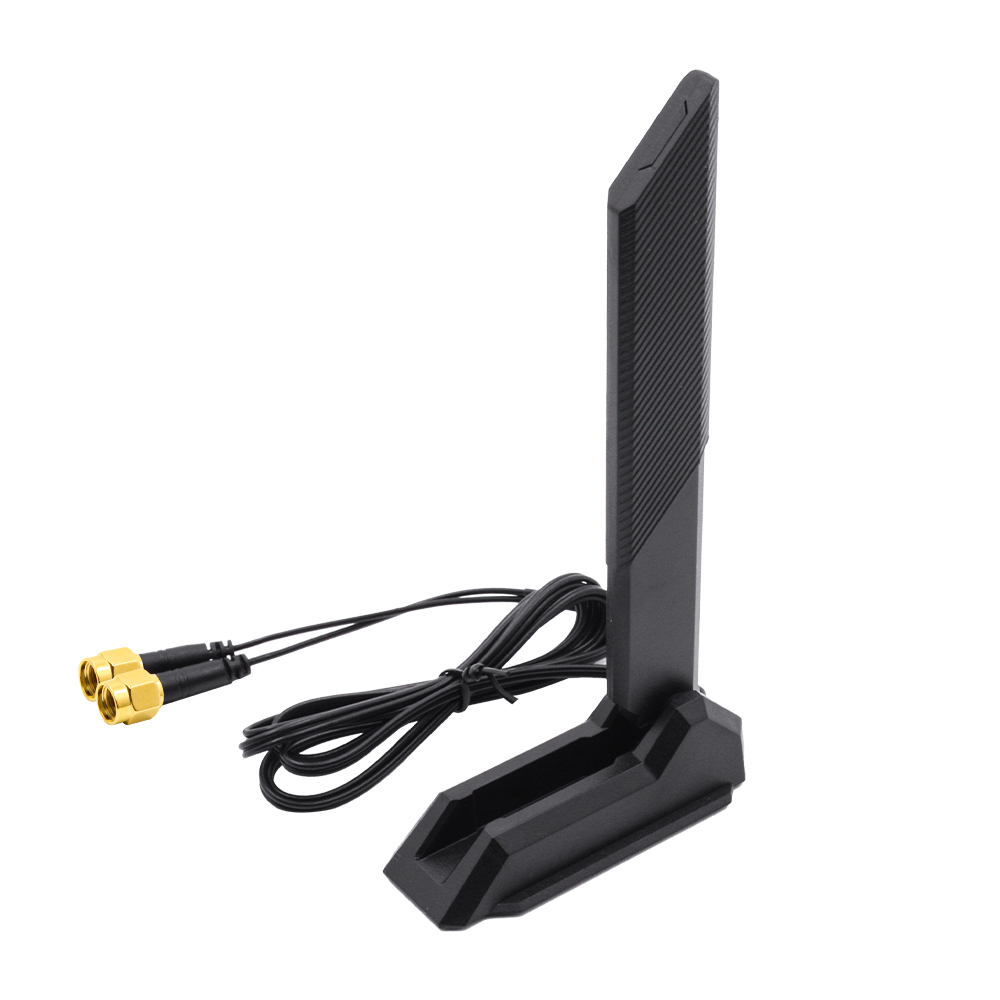
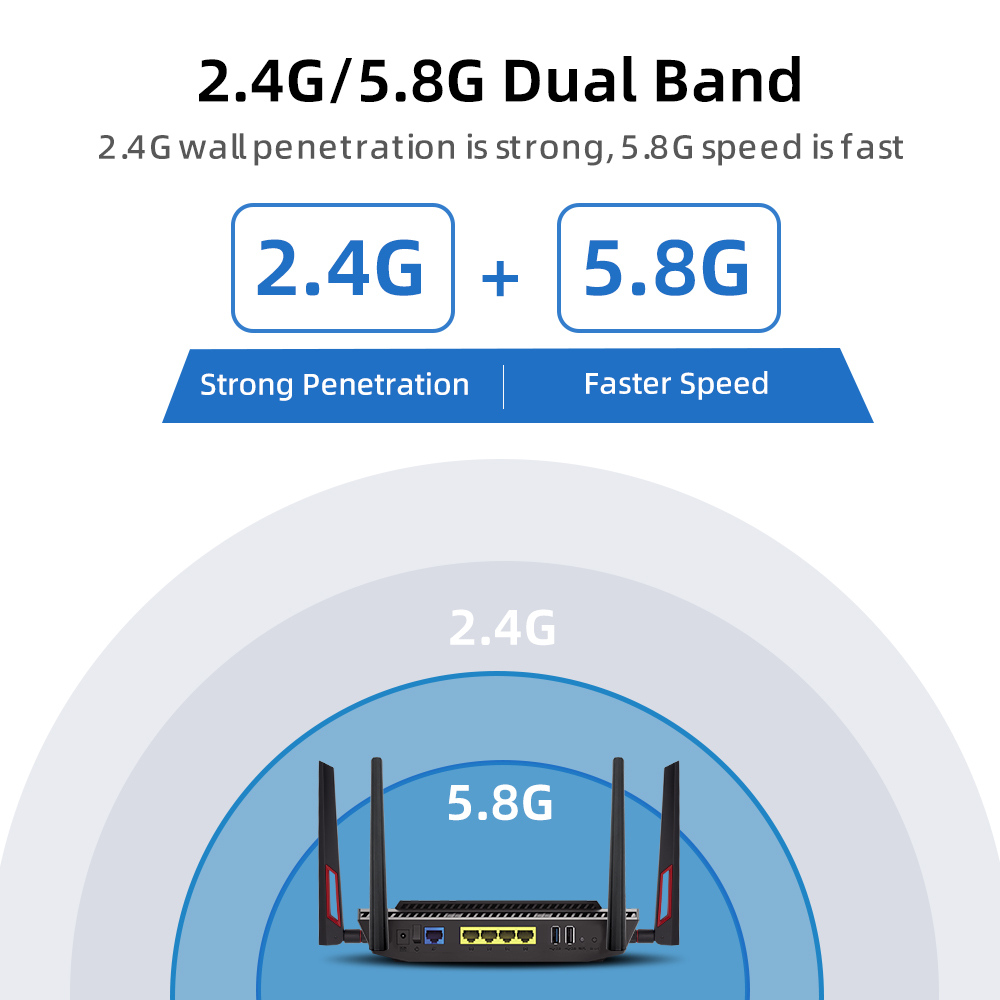
This dual band antenna supports both 2.4 GHz and 5.8 GHz WiFi in one compact blade. Its internal radiating elements are designed for the two bands, allowing compatible routers and access points to use a single wifi antenna for both. The gain and radiation pattern suit the blade’s size, without relying on an amplifier to increase signal power. The swivel joint lets you adjust the angle, which comes in handy when mounting a router on a wall or in a tight space. As a rubber duck antenna, it also works as a replacement for a router’s original antenna, provided the frequency range and connector match. Check the connector before ordering: SMA and RP-SMA have similar threads but different centre contacts. And if you’re searching for a wifi booster antenna, keep in mind that this is a passive antenna, not a powered amplifier or repeater. It helps the router make better use of its existing RF signal through antenna placement and radiation pattern.
| Type | dual band antenna | Antenna Gain | 5dBi |
| Installation | Screw | Connector Type | Male |
| Model Number | FS-JB-011 | Brand Name | Feisheng/OEM |
| Place of Origin | Guangdong, China | Maximum input power | 10w |
| Antenna Frequency | 2400-2500MHz/4900-5900MHz | Material | ABS |
| Input impedance | 50Ω | VSWR | ≤1.5 |
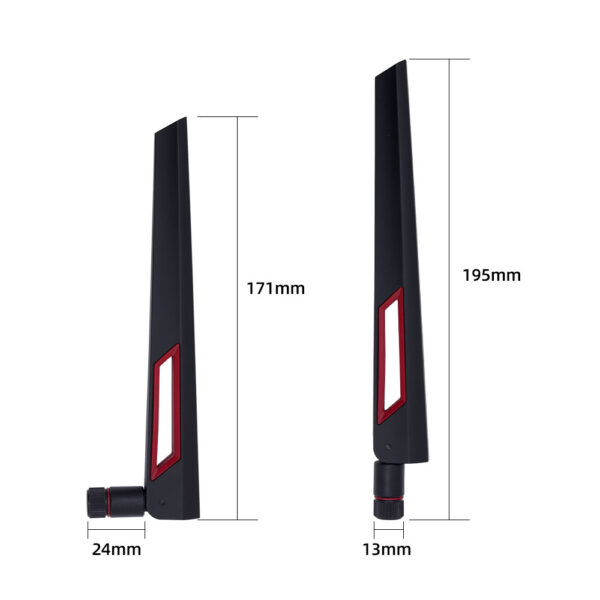
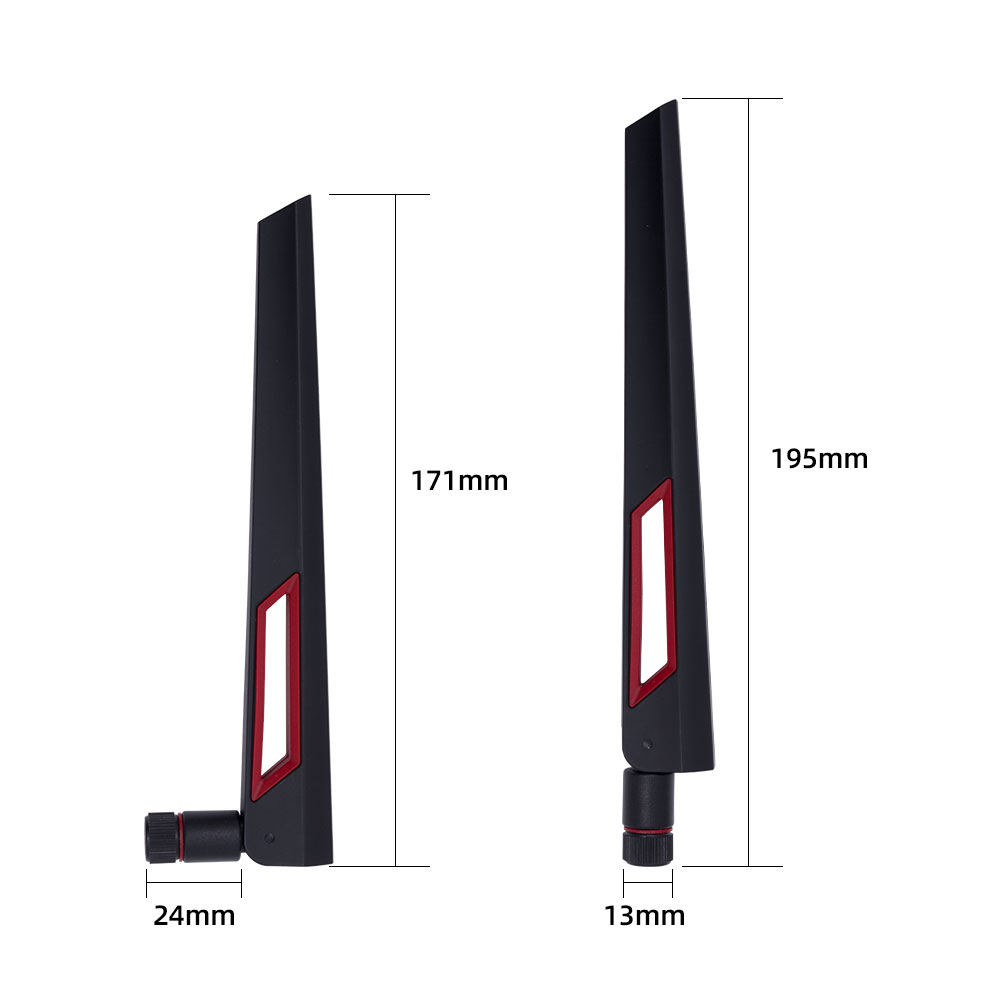
| Size | 195*13mm | Delivery | We will check with forwarder for cheapest way for you |
Q1. Is the antenna gain 5, 8 or 10 dBi?
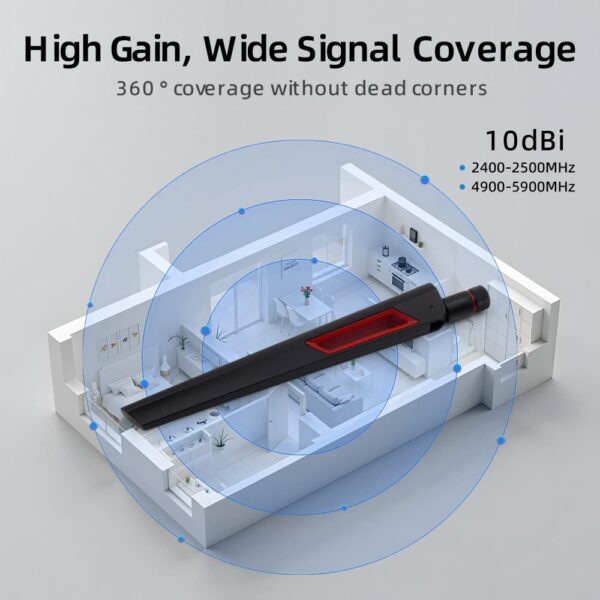
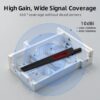
For a blade antenna of this size, gain may be around 2–3 dBi at 2.4 GHz and 4–5 dBi at 5.8 GHz. The actual figures depend on the design and test results. Rather than quoting 8 or 10 dBi without supporting data, it’s better to show the measured gain for each band. This gives buyers a more realistic basis for comparing dual band antennas.
Q2. My router is an ASUS. Which connector do I need?
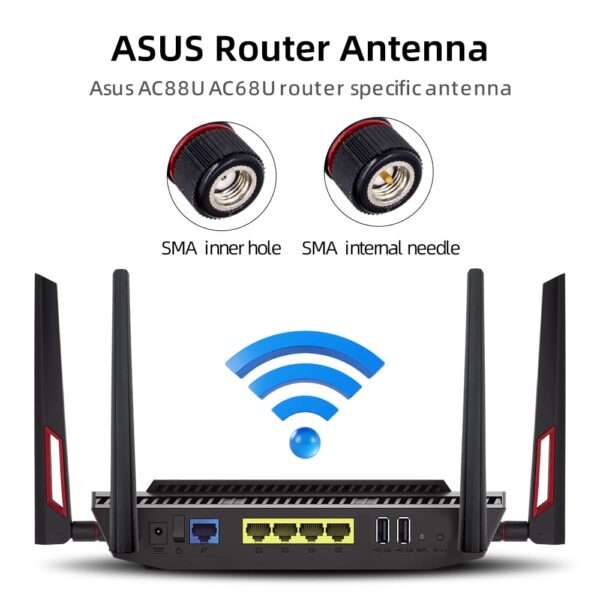
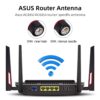
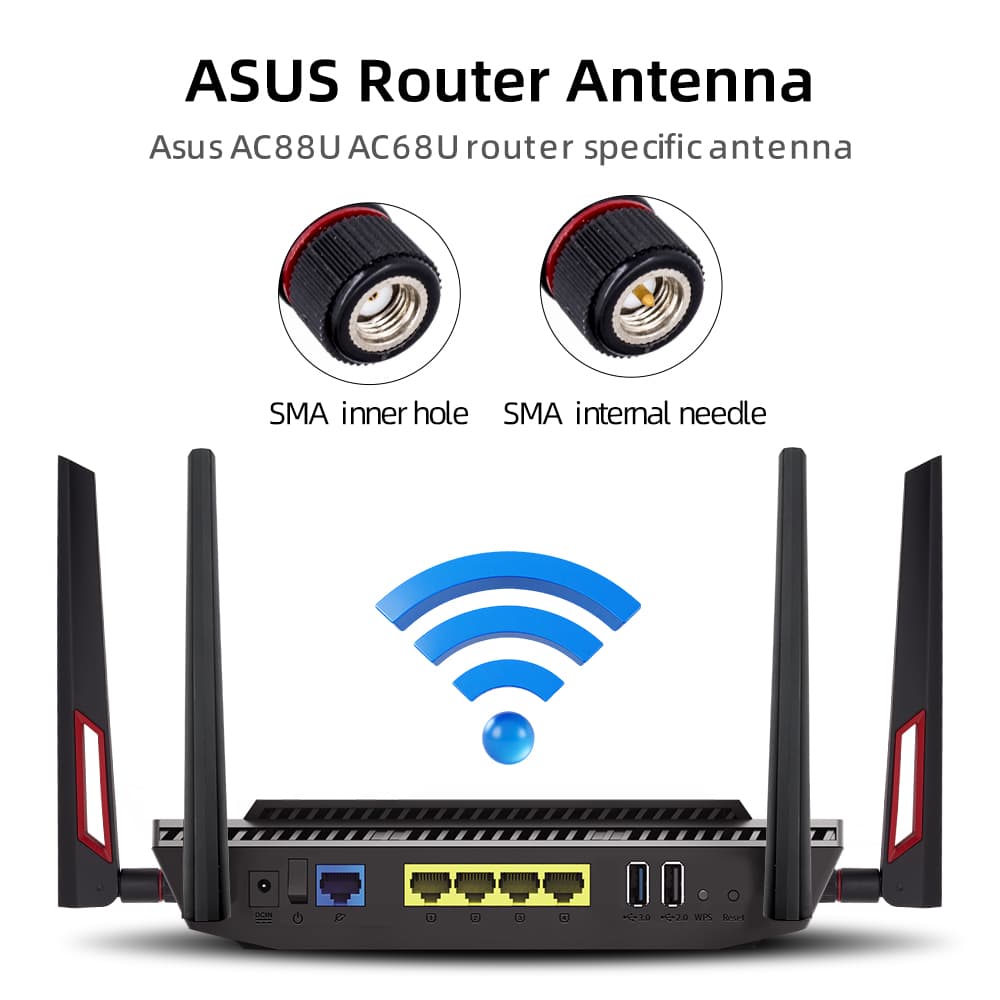
Many ASUS routers with external antenna ports use RP-SMA connectors, but this can vary between models. TP-Link and Netgear also have different connector options across their ranges. Check the router’s manual or antenna socket before ordering. SMA and RP-SMA have similar threads, but different centre contacts, so they cannot replace each other. If you’re unsure, send us the router model and we can help identify the right wifi antenna connector.
Q3. Does this antenna boost WiFi signal strength?
Not by itself. A passive antenna doesn’t amplify the signal or increase the router’s output power. It helps the router transmit and receive signals according to its radiation pattern. Although many people search for a wifi booster antenna, they may actually be looking for a replacement antenna. A WiFi repeater or range extender is a separate powered device that receives and retransmits the signal.
Q4. Does an omnidirectional antenna provide 360-degree coverage?
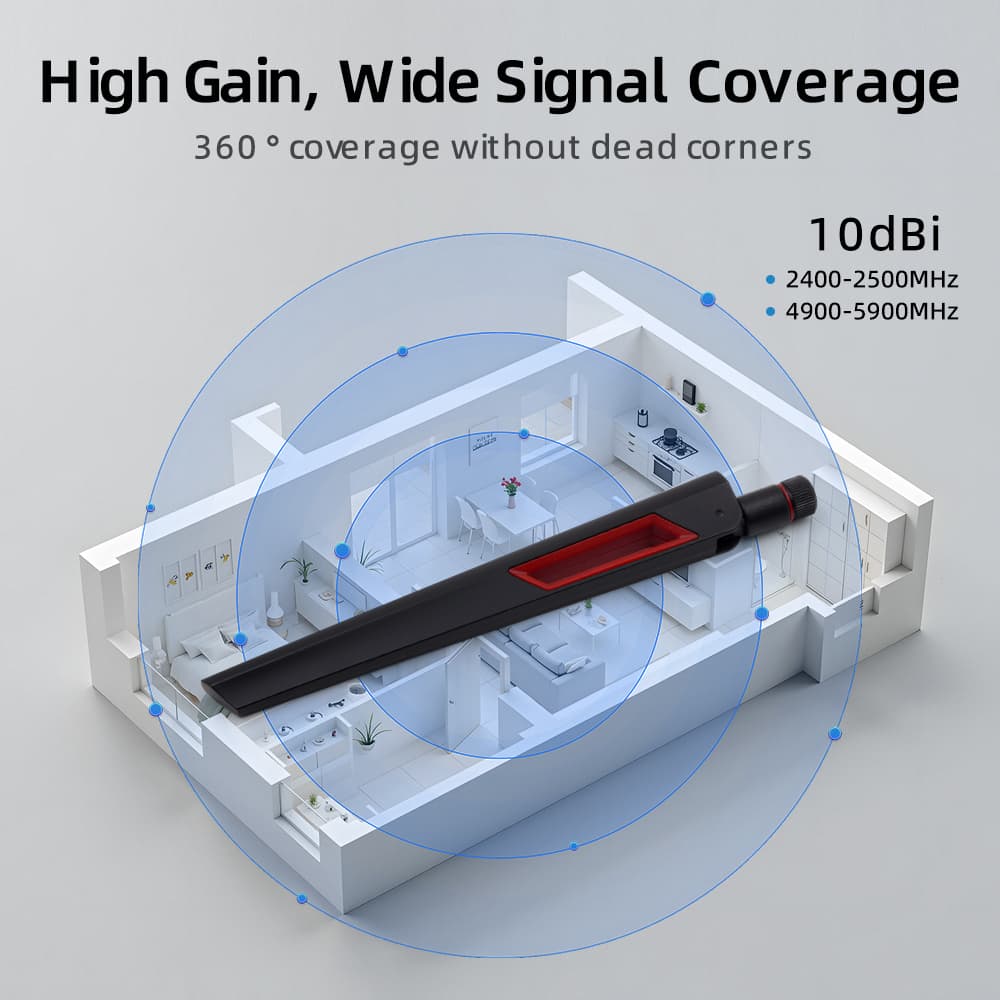
It radiates around the sides of the antenna, but coverage is not equal in every direction. A typical dipole has a doughnut-shaped radiation pattern, with weaker signals along its length. Keep the antenna upright when possible to maintain vertical polarization. Walls, floors and nearby objects can still affect reception, so antenna placement matters. Even a well-matched dual band antenna cannot eliminate every WiFi dead spot in a building.
Sales: nora@fs-sz.com
Technical Support:jason@fs-sz.com
Sales :+86-13316864973
Technical Support :
+86-13683276589
+86-13427976189
+86-0755-85223189