







Scroll to Top
Share to:
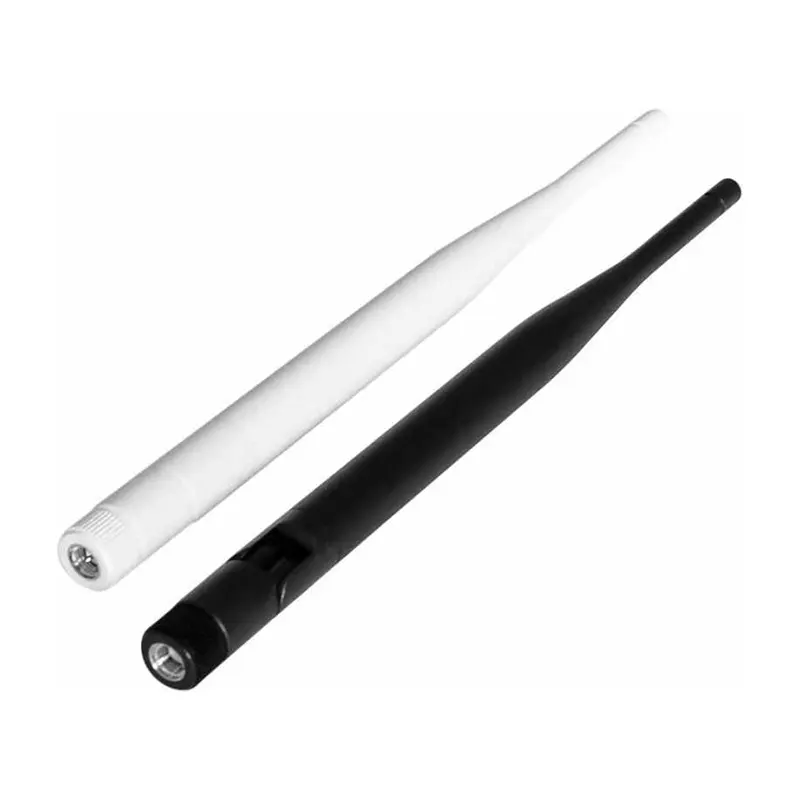
WiFi Rubber Antenna for Multipoint Bridge and CPE
Product features:
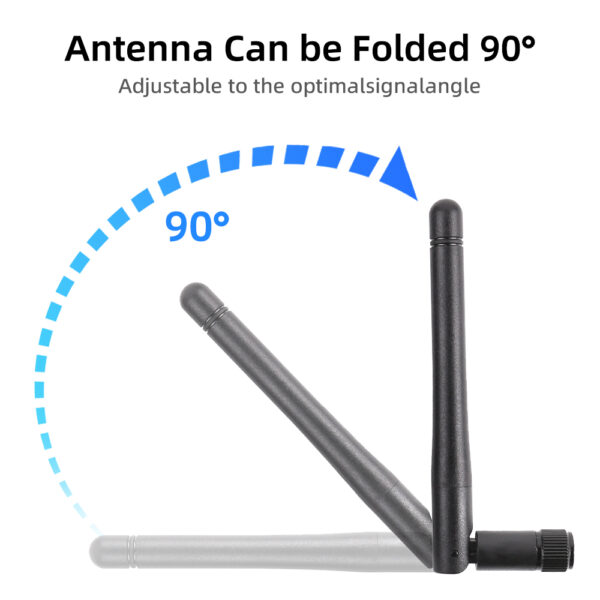
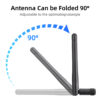
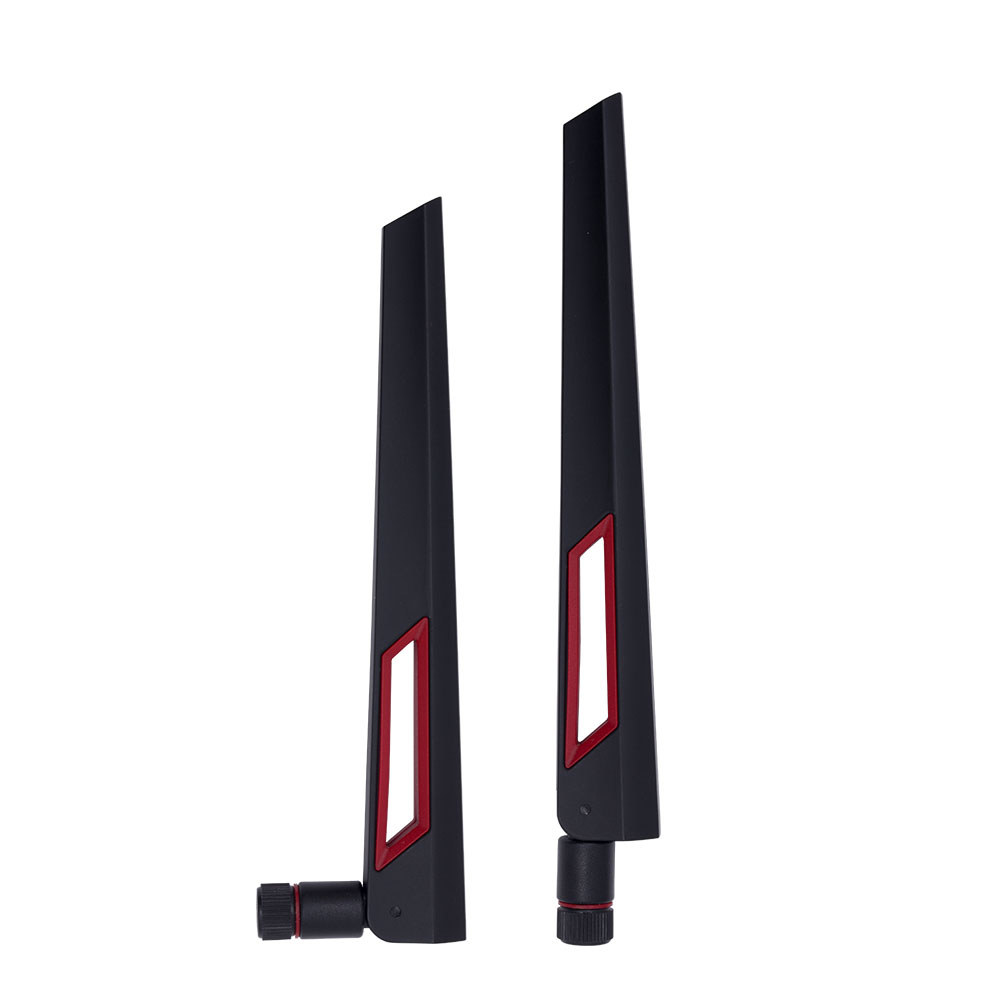
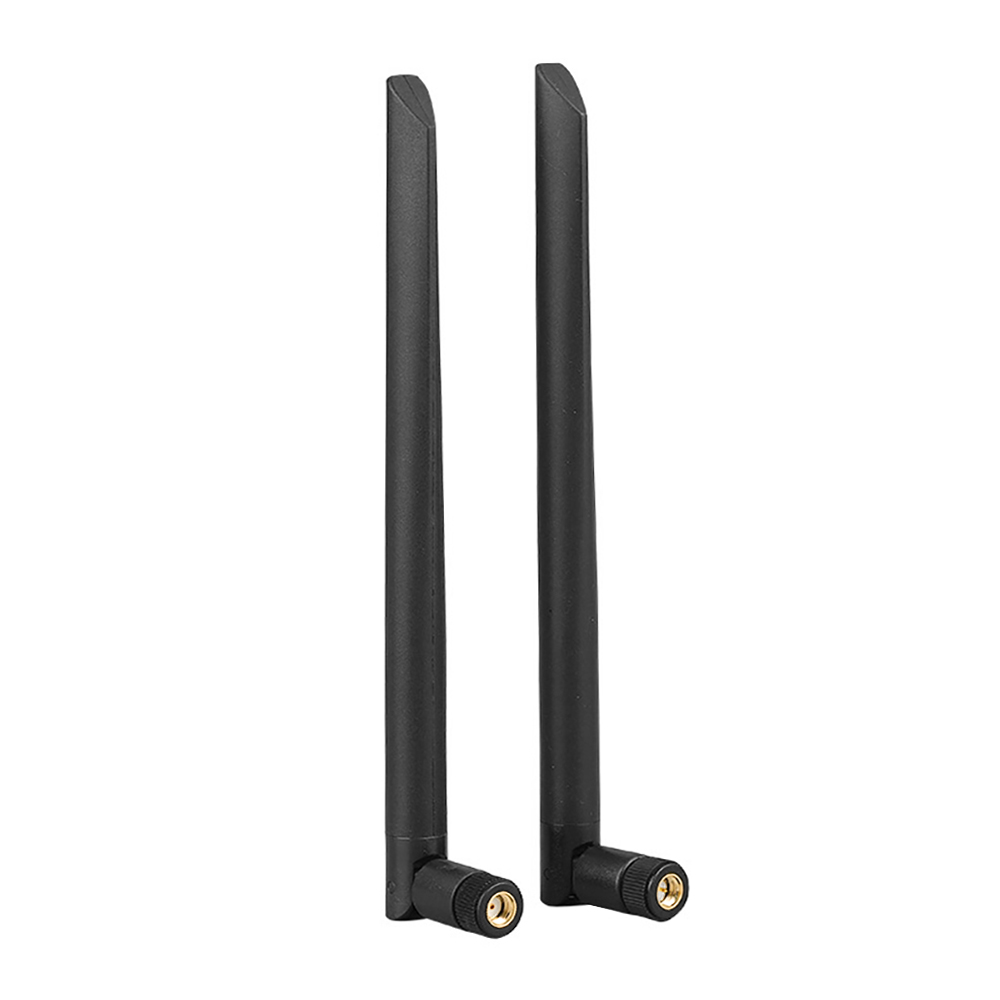
A rubber antenna is a straightforward replacement for routers, access points and other wireless devices. The first thing to check is the connector. SMA and RP-SMA plugs share the same thread and look very similar, but their centre contacts are different: SMA male has a pin, while RP-SMA male has a socket. Make sure the plug matches your device’s port before ordering. Position the antenna upright where possible to match the vertical polarisation commonly used by WiFi access points. If you use a hinged rubber duck antenna, folding it around nearby cabinets or equipment can change its orientation and affect the signal. When choosing a replacement WiFi antenna, connector type, frequency range and mounting position are all worth checking.
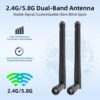
| Type | 2.4G/5.8G Rubber Antenna | Antenna Gain | 3dBi |
| Installation | Screw | Connector Type | Male |
| Model Number | FS-JB-007 | Brand Name | Feisheng/OEM |
| Place of Origin | Guangdong, China | Maximum input power | 10w |
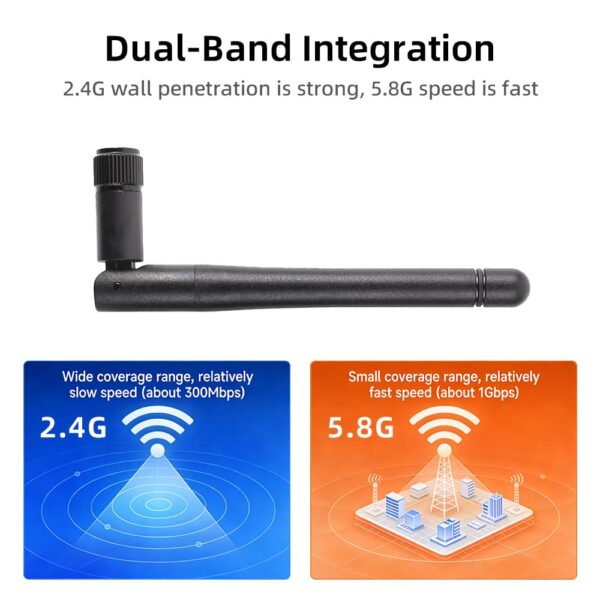
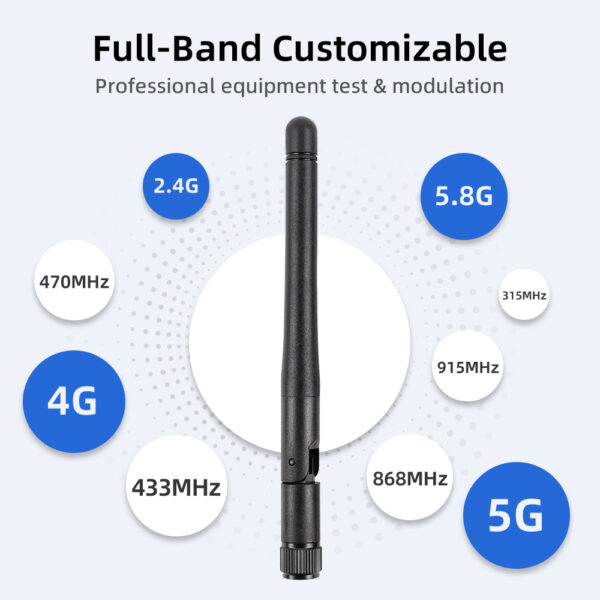
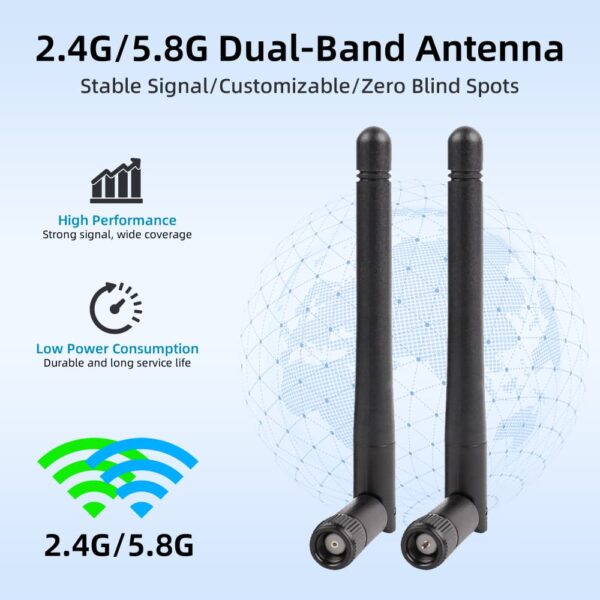
| Antenna Frequency | 2400-2500/5150-5850MHz | Material | ABS |
| Input impedance | 50Ω | VSWR | ≤1.5 |
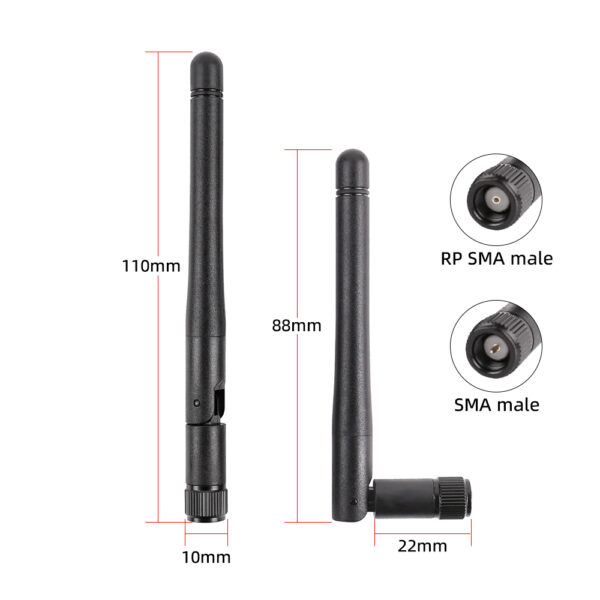
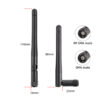
| Size | 17.5*2.5cm | Delivery | We will check with forwarder for cheapest way for you |
Q1. Is this a rubber duck antenna or a whip antenna?
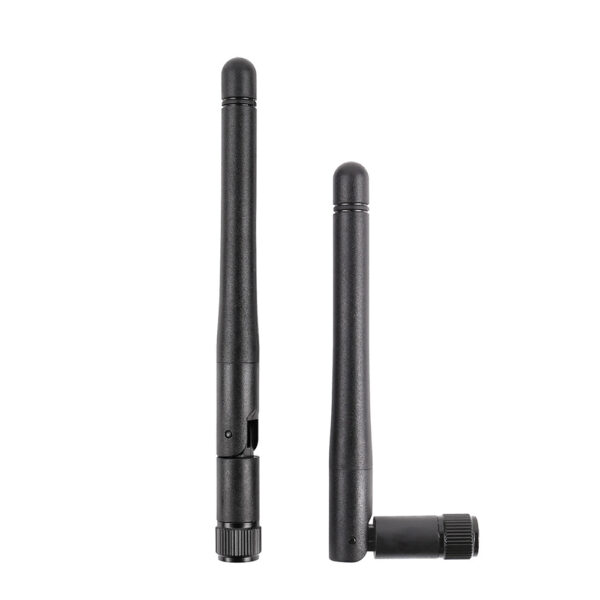
This is a rubber duck antenna, with a flexible radiating element housed inside a protective plastic cover and a threaded base for mounting. Unlike an exposed metal whip, its covered design helps protect the element from everyday knocks and handling. It serves as an external replacement WiFi antenna for compatible routers, access points and other wireless devices.
Q2. What is the difference between SMA male and RP-SMA male connectors?
The difference is in the centre contact. An SMA male connector has a centre pin, while an RP-SMA male has a centre socket. They share the same thread and look almost identical, but their contacts are reversed. Choosing the wrong type can leave the antenna physically attached but without a proper electrical connection.
Q3. How do I know whether my device needs SMA or RP-SMA?
Check the centre contact inside the device’s antenna port. A port with a centre pin needs an RP-SMA male connector, while a port with a centre socket needs an SMA male connector. If you’re unsure, send us a clear photo of the port and we can help identify the right connector for your rubber antenna.
Q4. Does this WiFi rubber antenna support 5.8 GHz?
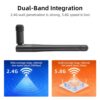
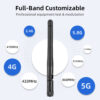
Yes. Its specified 5 GHz range is 5150–5850 MHz, covering commonly used channels in the lower and upper 5 GHz WiFi bands. The channels available to your device will depend on local regulations and its settings, so check the antenna’s frequency range against your router or access point before ordering.
Sales: nora@fs-sz.com
Technical Support:jason@fs-sz.com
Sales :+86-13316864973
Technical Support :
+86-13683276589
+86-13427976189
+86-0755-85223189