




Scroll to Top
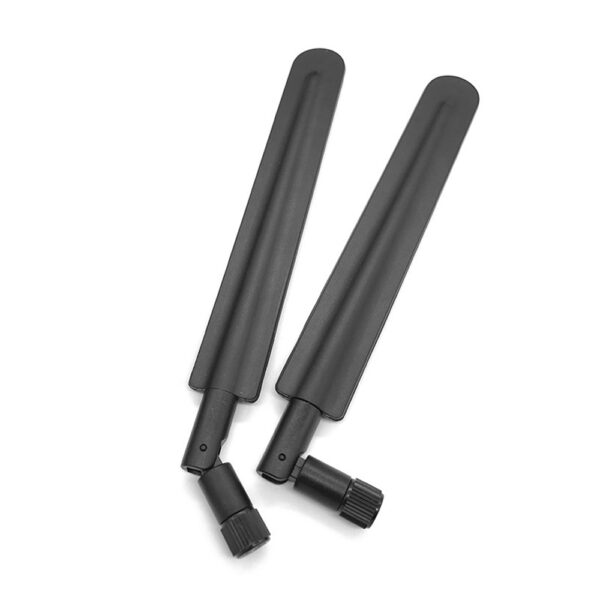
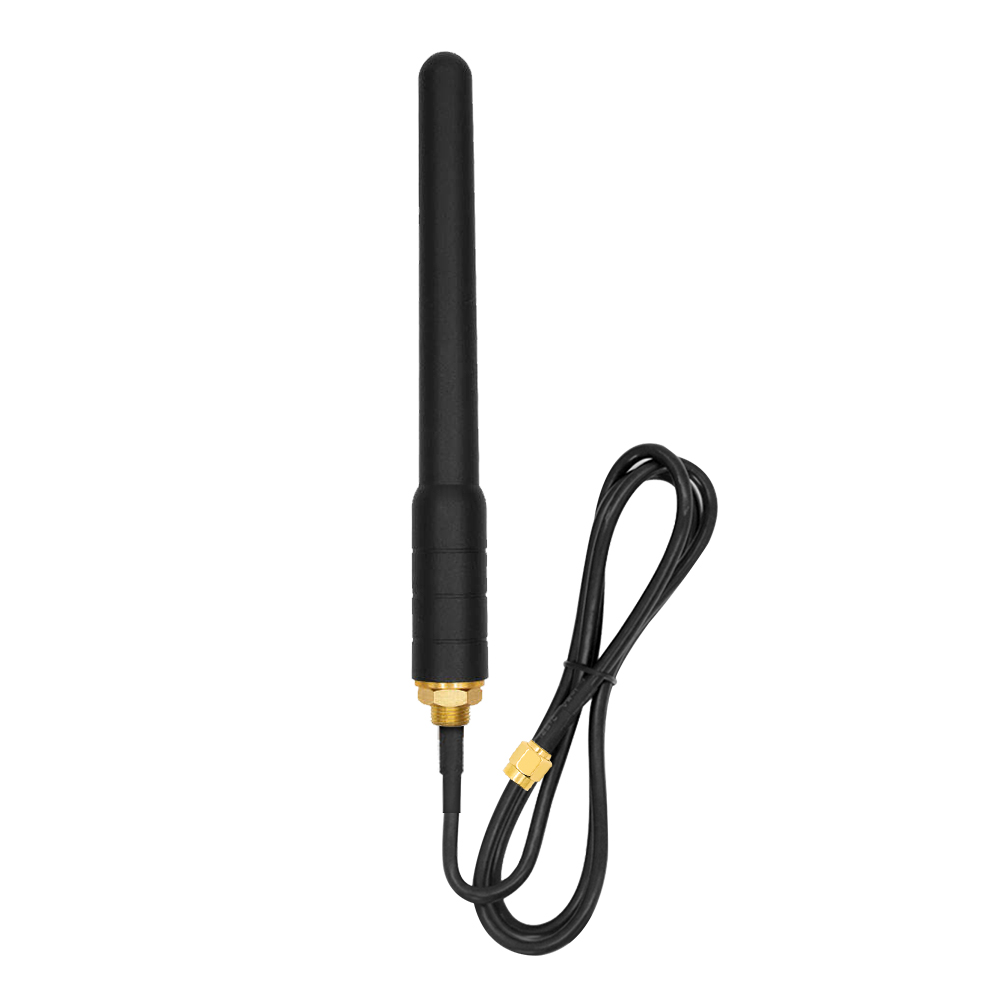
4G Antenna for Industrial Router with SMA Male Plug
Product features:
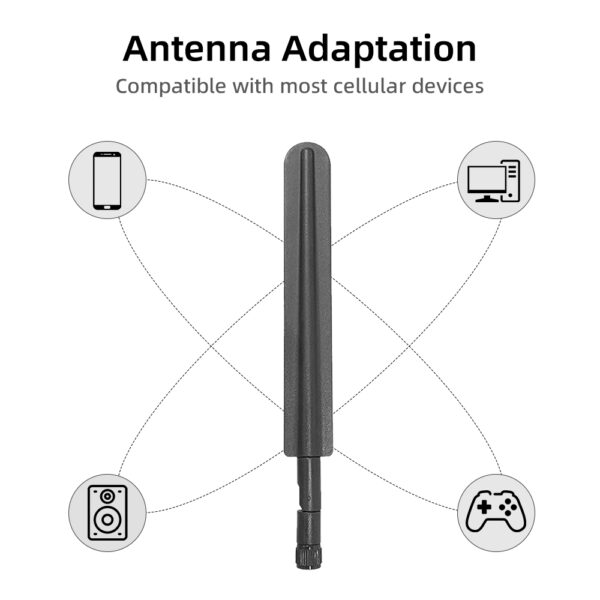
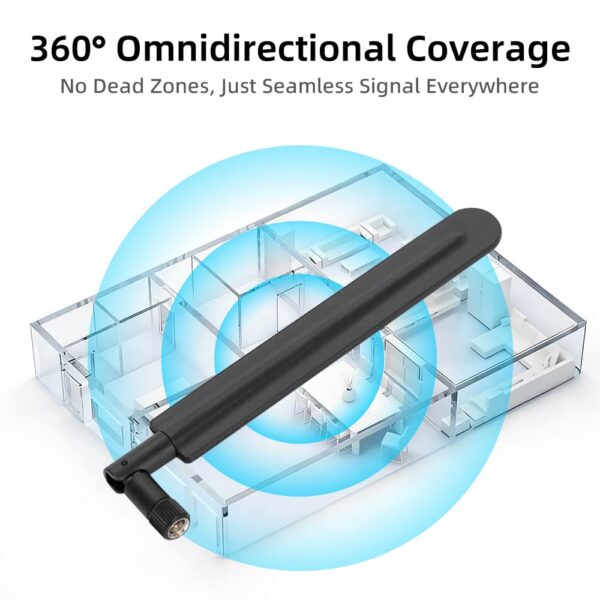
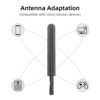
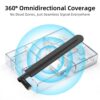
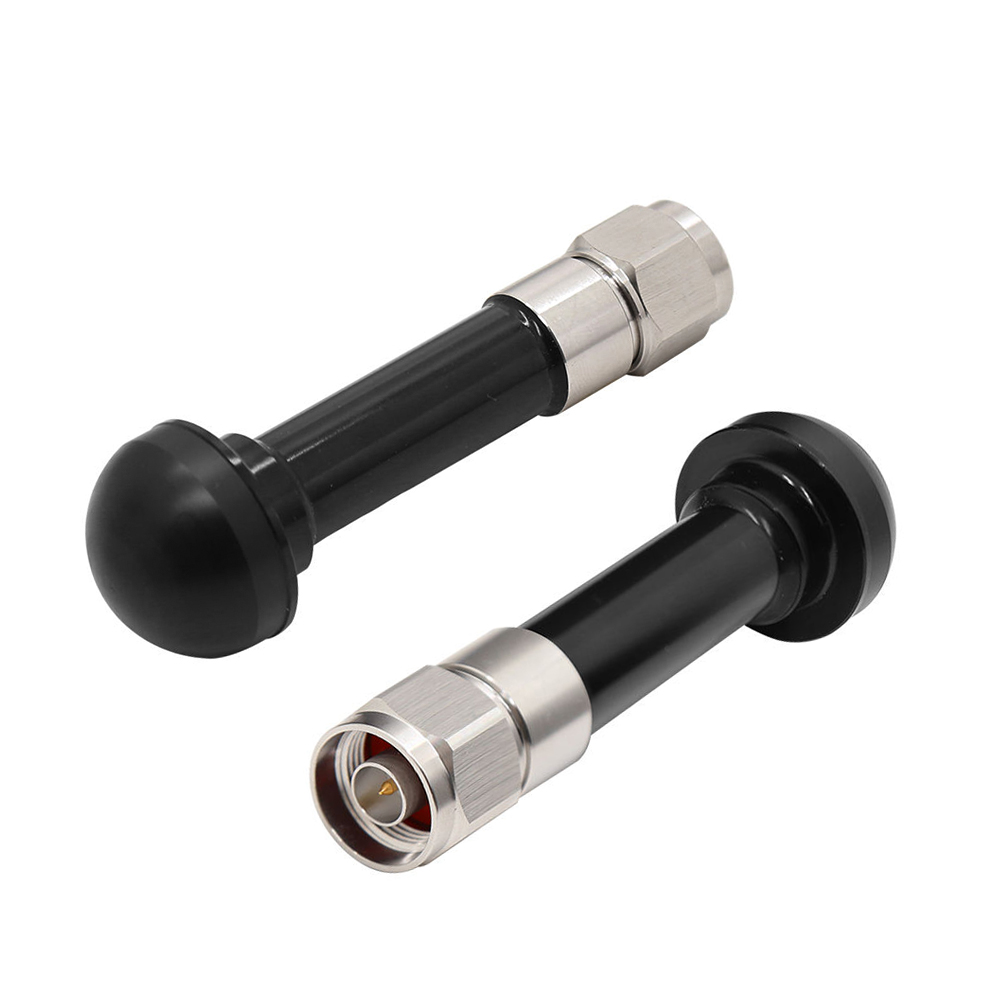
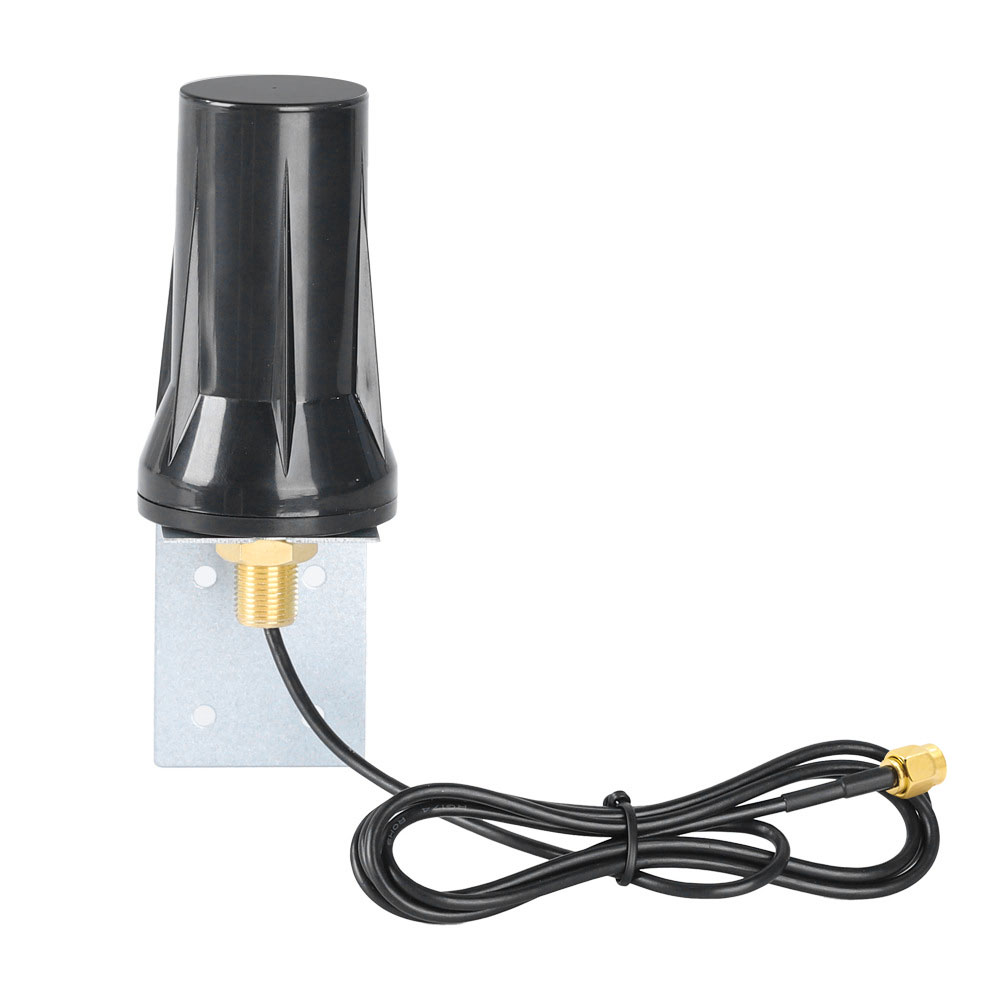
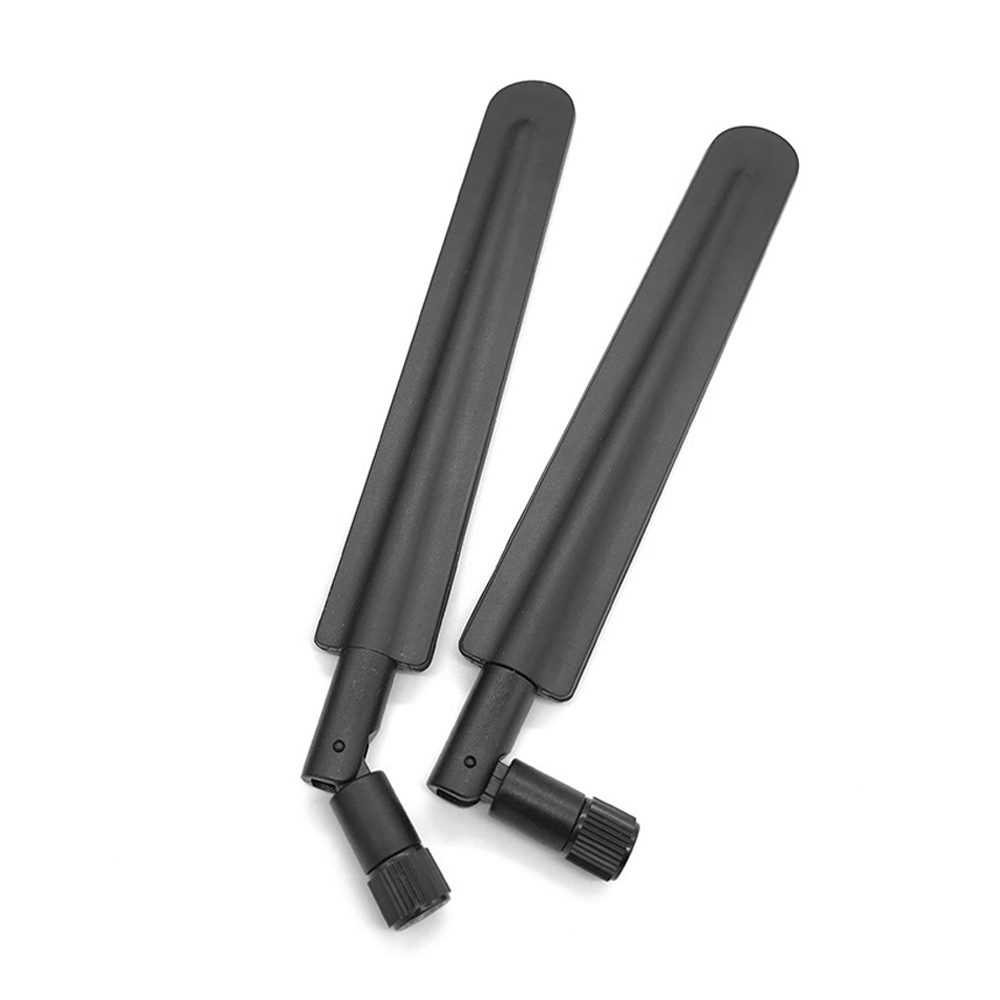
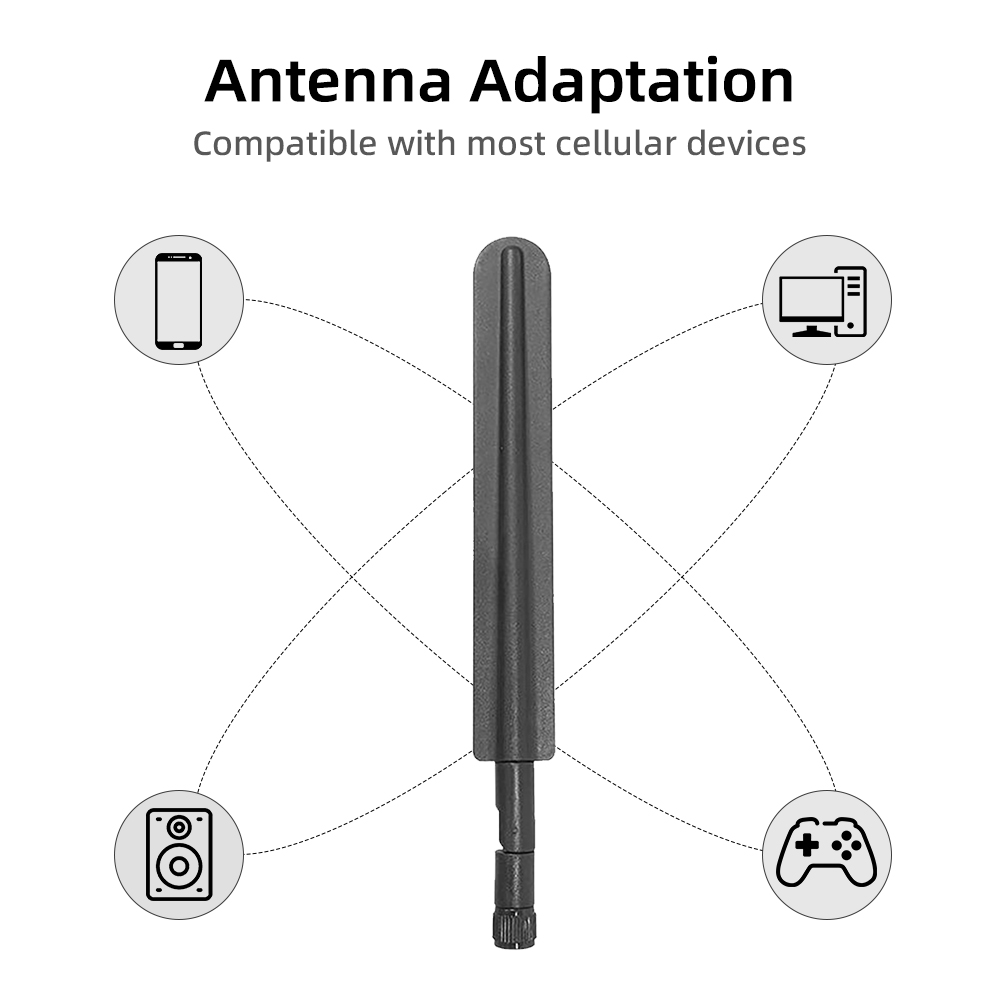
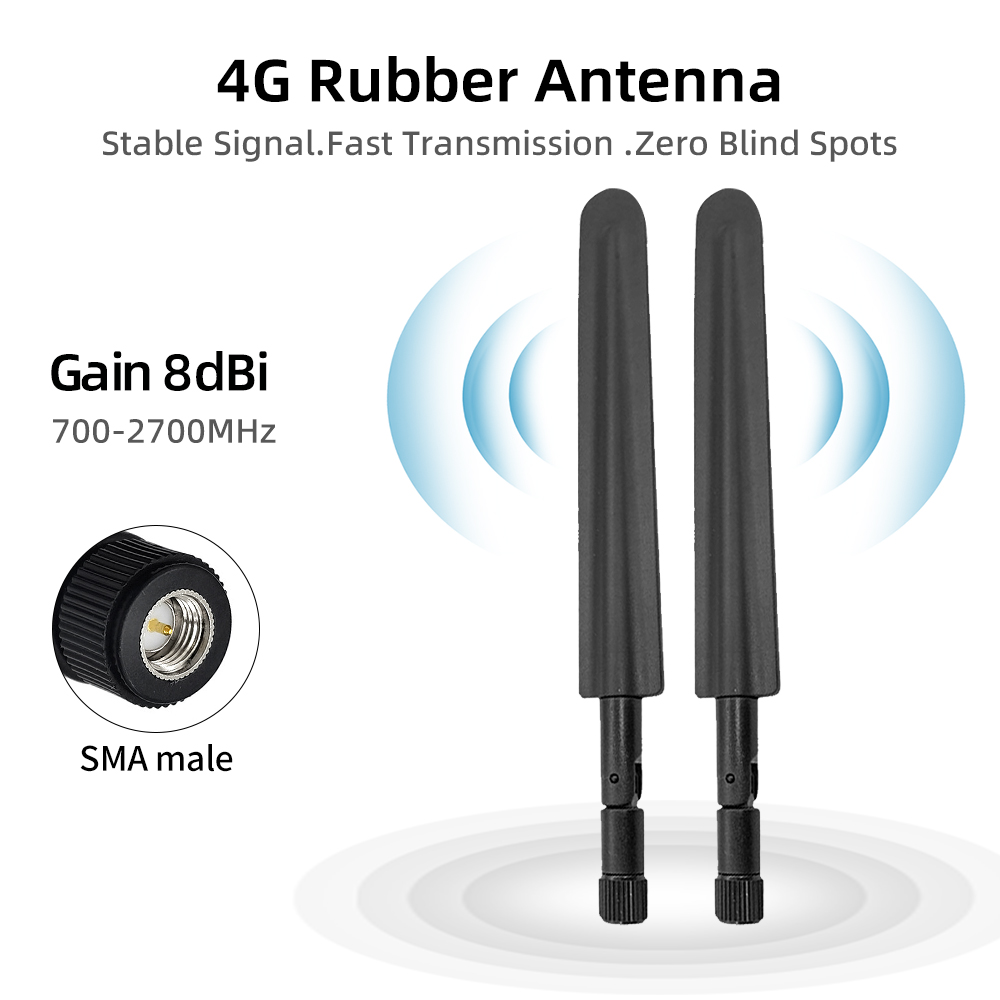
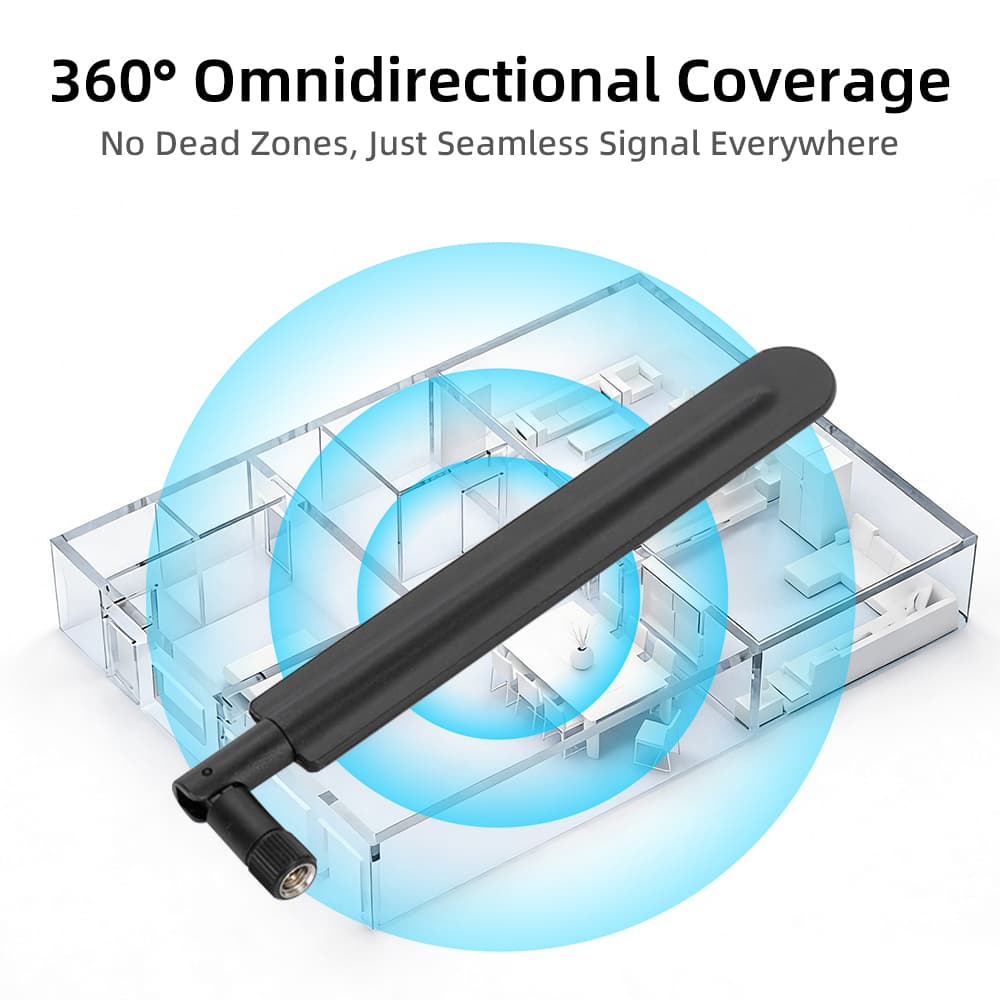
Industrial cellular routers in factories, utility systems and remote control cabinets use a rubber duck antenna to maintain a primary or backup connection. A screw-on blade helps bring the antenna outside a metal enclosure without running a long coaxial cable. It also suits fleet vehicles, trailers, boats, campervans and agricultural equipment, where the modem sits inside an enclosed space. A suitable 4G antenna provides a simple fit without a separate mounting base or cable. Vending machines, kiosks, parking barriers and payment terminals use cellular links for transactions and remote monitoring. For these public-facing units, buyers often look for a vertical antenna that stays firmly in place and is not easy to remove. Before choosing an omnidirectional router antenna, check the modem’s LTE bands, connector and RF port count, particularly for MIMO setups. If the router also needs Wi-Fi connectivity, make sure its wifi rubber antenna supports the required Wi-Fi bands, as cellular and Wi-Fi antennas are not interchangeable.
| Type | 2.4G Rubber Antenna | Antenna Gain | 5dBi |
| Installation | Screw | Connector Type | Male |
| Model Number | FS-JB-0016 | Brand Name | Feisheng/OEM |
| Place of Origin | Guangdong, China | Maximum input power | 10w |
| Antenna Frequency | 2400-2500MHz | Material | ABS |
| Input impedance | 50Ω | VSWR | ≤1.5 |
Q1. Does this rubber antenna come with a U.FL/IPEX or SMA connector?
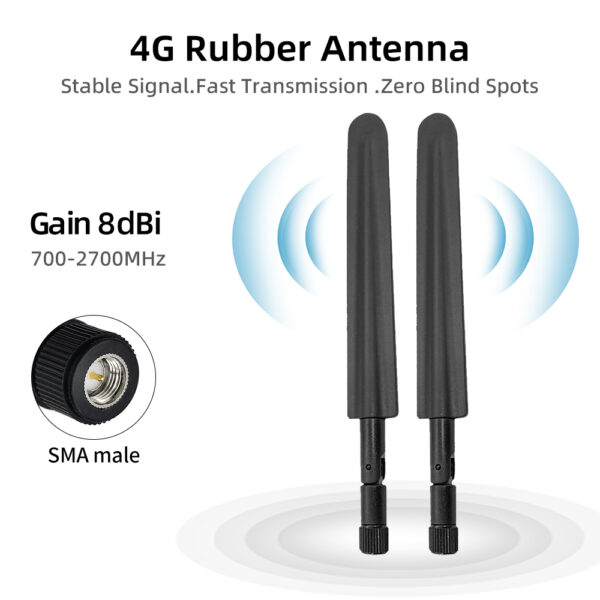
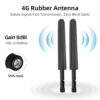
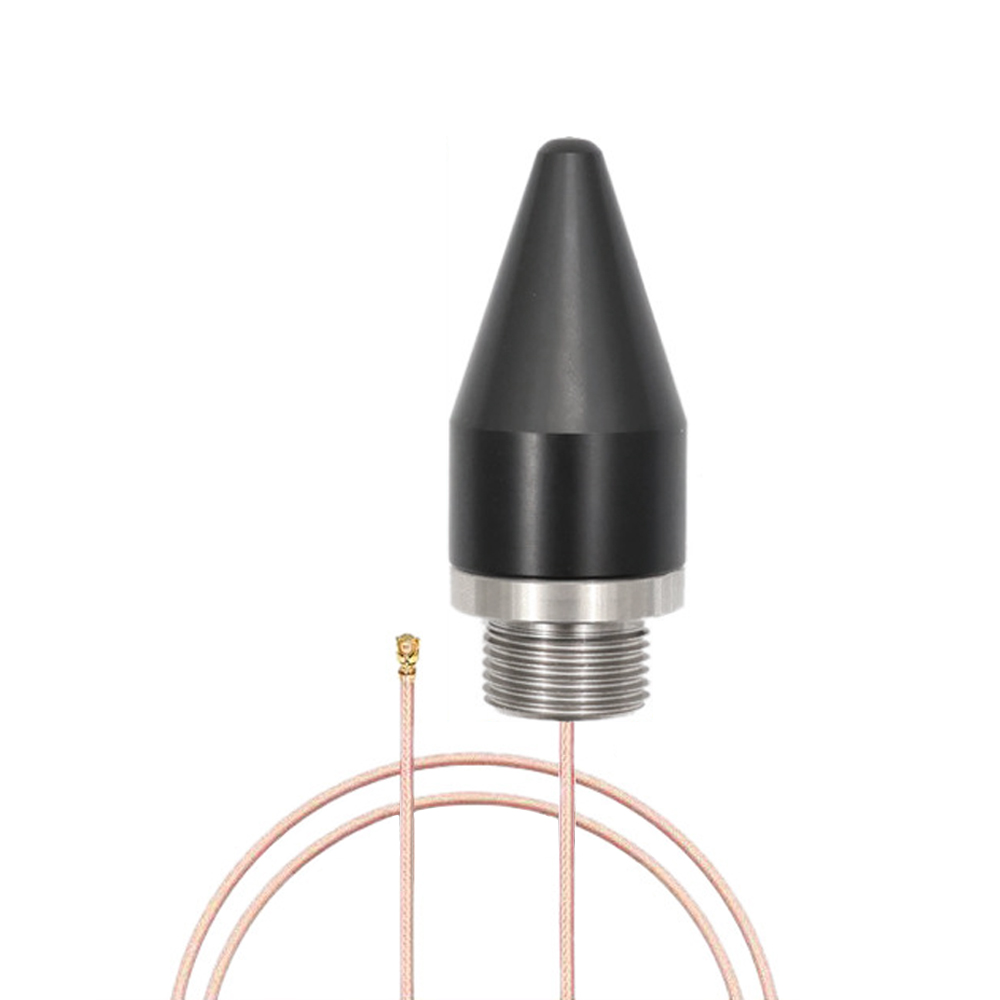
The listing shows two connector options, but they belong to different versions. The main images show a thin coaxial cable with a snap-on U.FL/IPEX plug for a PCB socket. The final detail image shows a threaded SMA male connector. These versions are not interchangeable, so check your device’s RF port before ordering. If you’re unsure, send us the device model or a close-up of the connector and we’ll help identify the right one.
Q2. Is the antenna gain 5 dBi or 6 dBi?
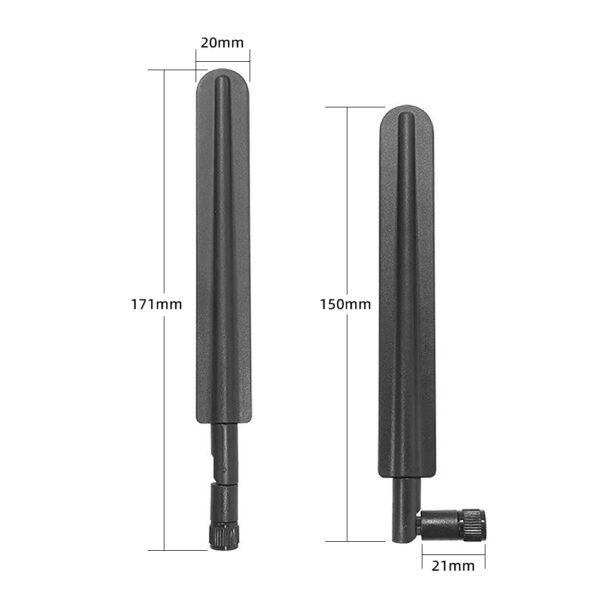
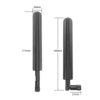
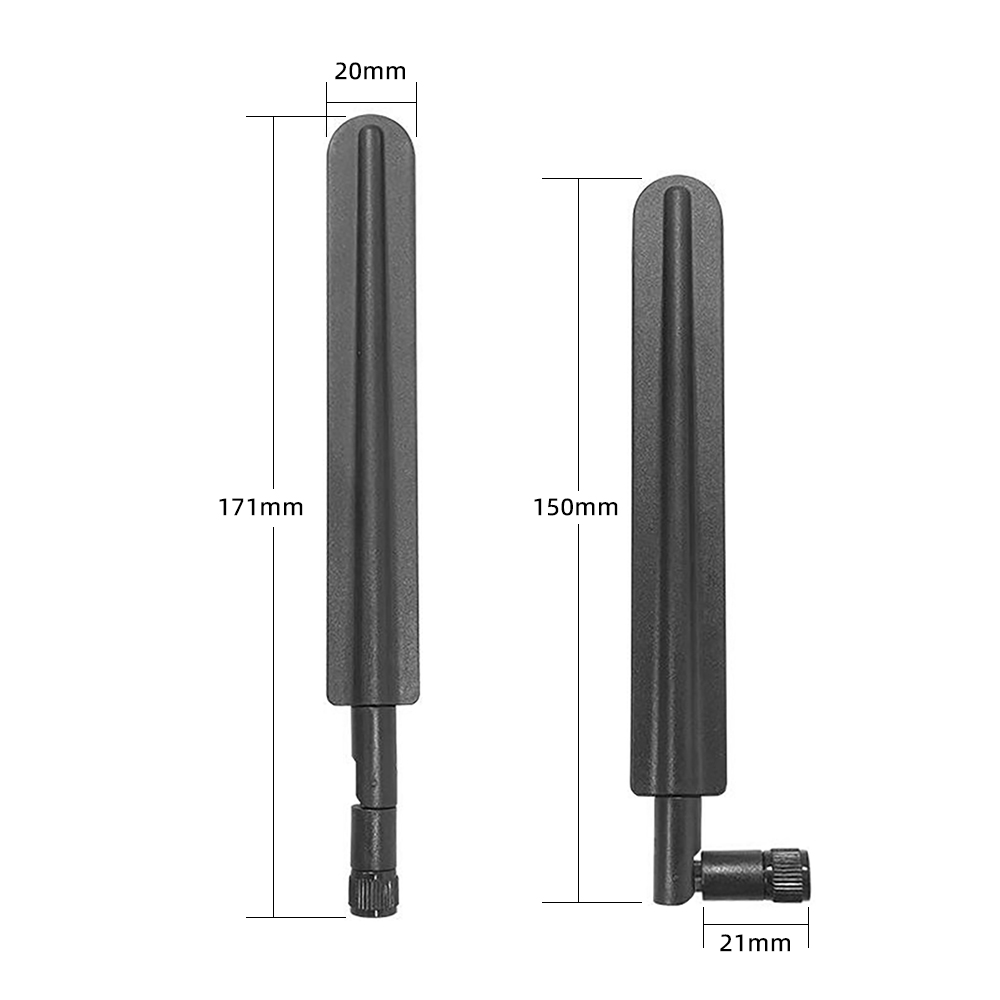
The gain figure needs to match the actual antenna design and length. A longer omnidirectional antenna can use additional radiating sections to achieve higher gain, but length alone doesn’t tell us whether this model reaches 5 or 6 dBi. The current listing doesn’t give a clear antenna dimension, so we need to check the physical length and test results before confirming the rating. We can provide the available gain data with your quotation.
Q3. Will the coaxial cable reduce WiFi signal strength?
Yes, some signal loss is unavoidable. Thin micro coax generally has higher attenuation at 5 GHz than at 2.4 GHz, and a longer cable adds more loss. Keep the pigtail as short as the installation allows, avoid tight bends and secure it inside the enclosure. This also prevents the cable from pulling on the small RF connector.
Q4. Does this rubber antenna support both 2.4 GHz and 5 GHz WiFi?
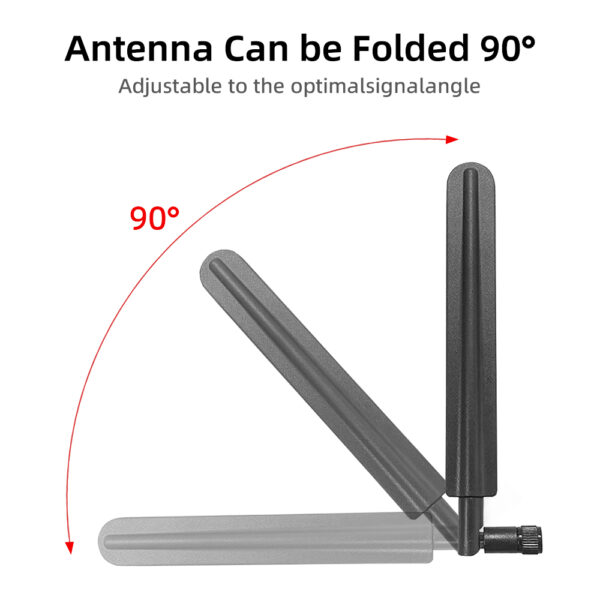
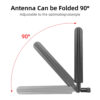
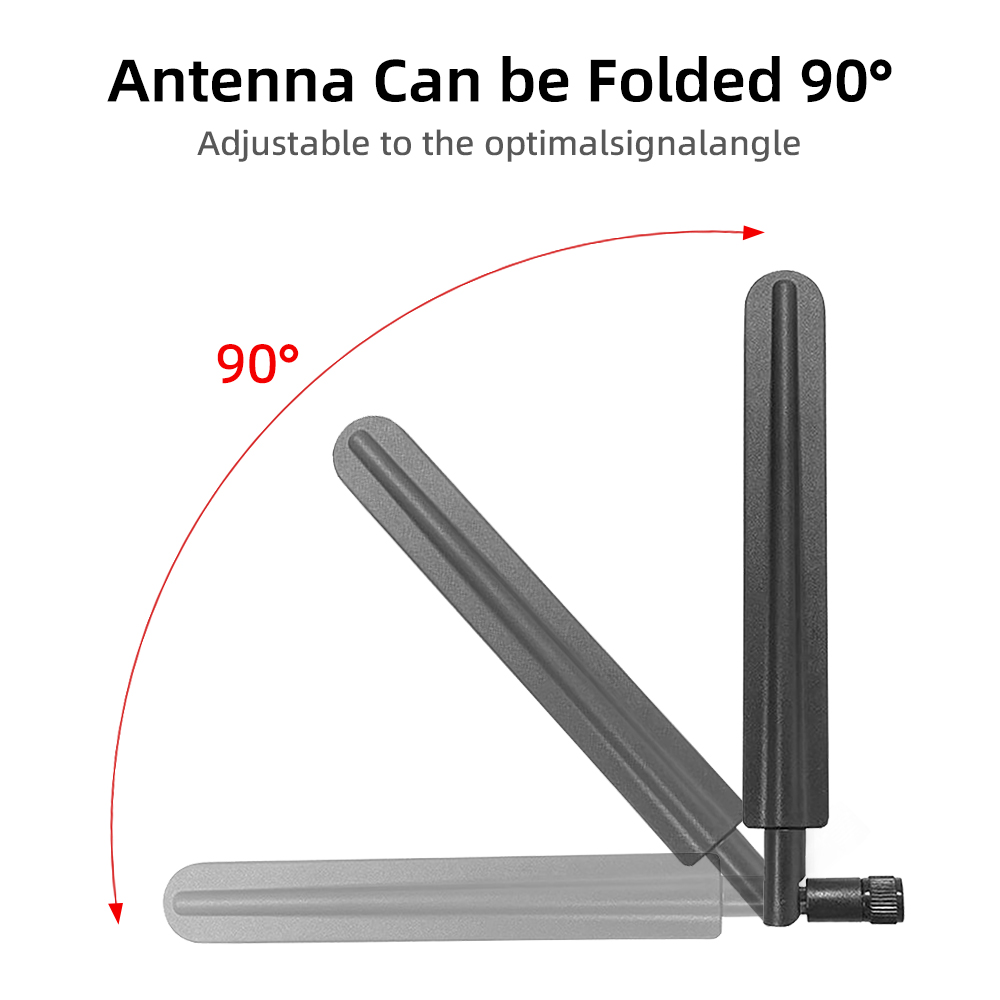
Only if you choose a dual-band version. The antenna element and matching need to support both bands; a 2.4 GHz model will not automatically work at 5 GHz. Cable length also plays a part in the overall design. If your device uses dual-band WiFi, send us its frequency requirements and connector type. We’ll help check a suitable wifi rubber antenna configuration, including a compact foldable external antenna if you need an adjustable mounting angle.
Sales: nora@fs-sz.com
Technical Support:jason@fs-sz.com
Sales :+86-13316864973
Technical Support :
+86-13683276589
+86-13427976189
+86-0755-85223189