




Scroll to Top
Share to:
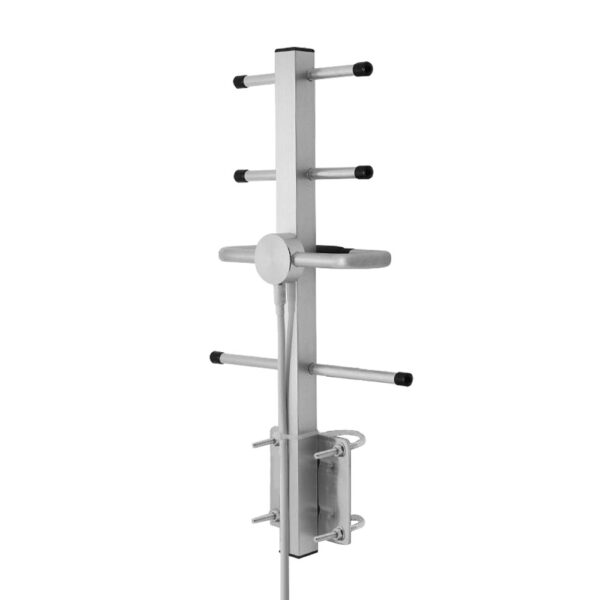
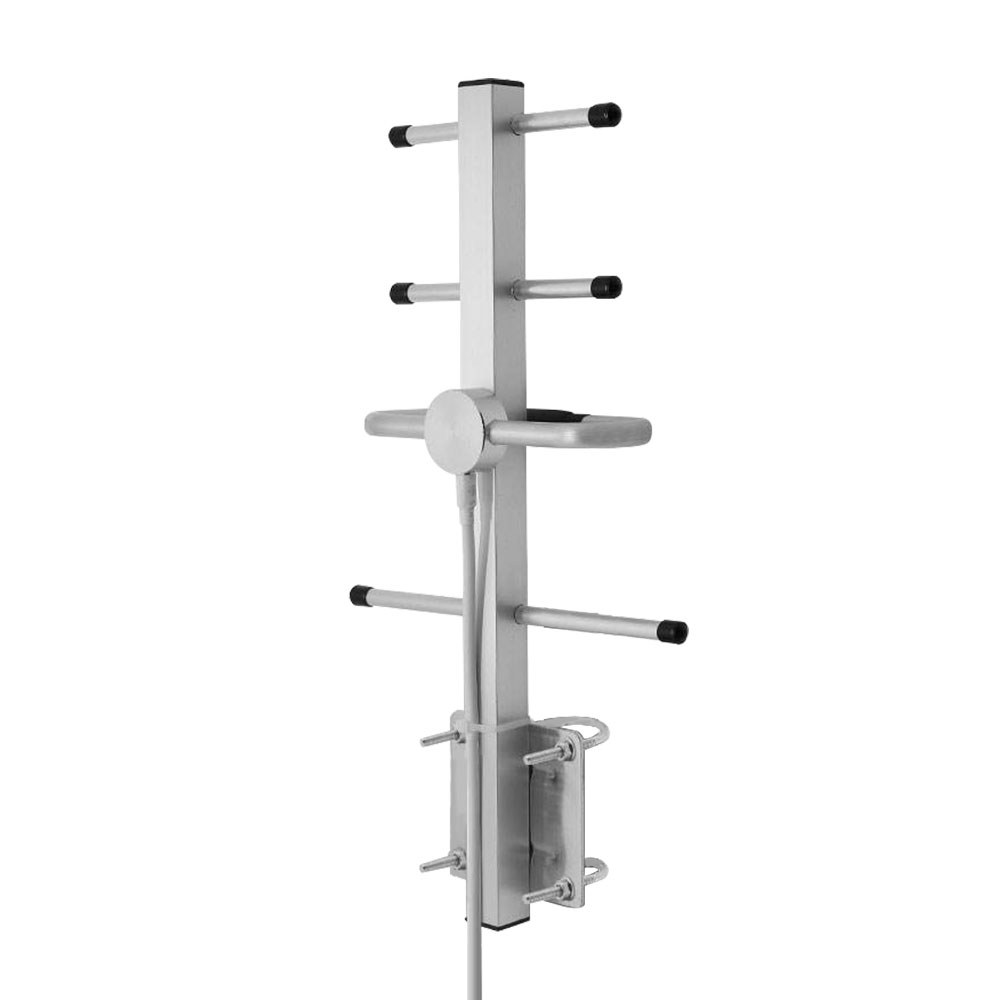
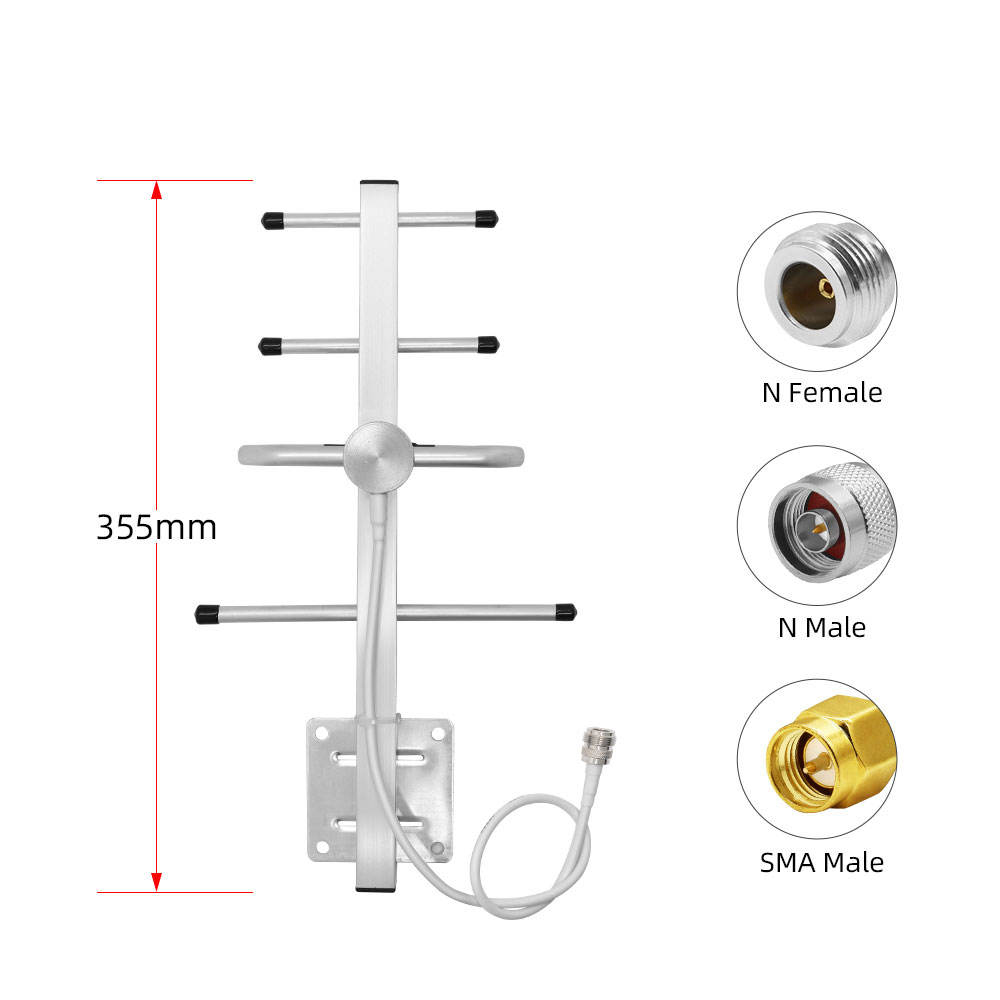
4G Yagi Antenna for Rural Home and Farm Router
Product feature:
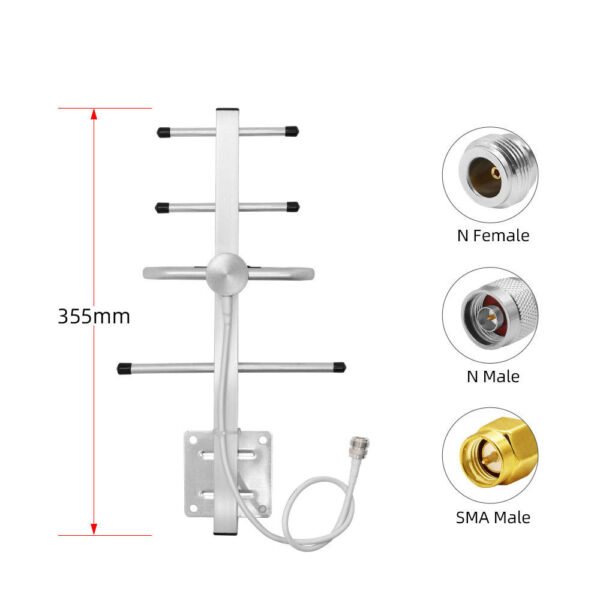
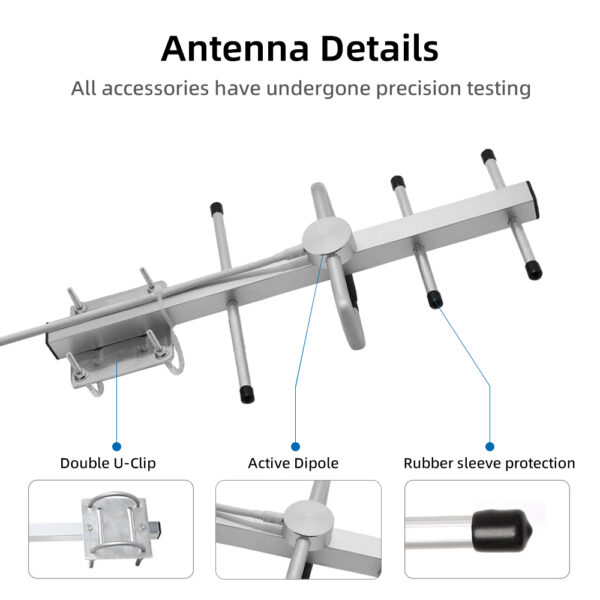
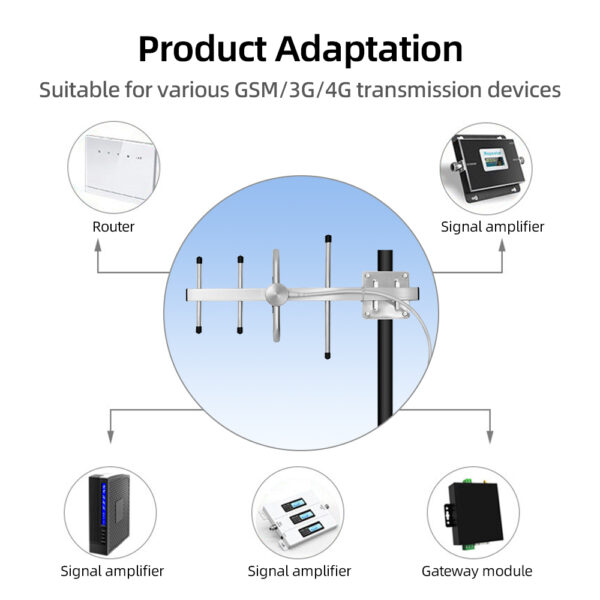
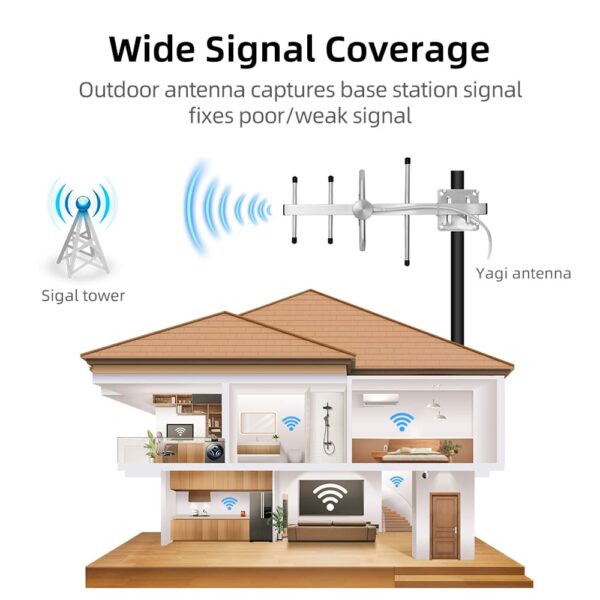
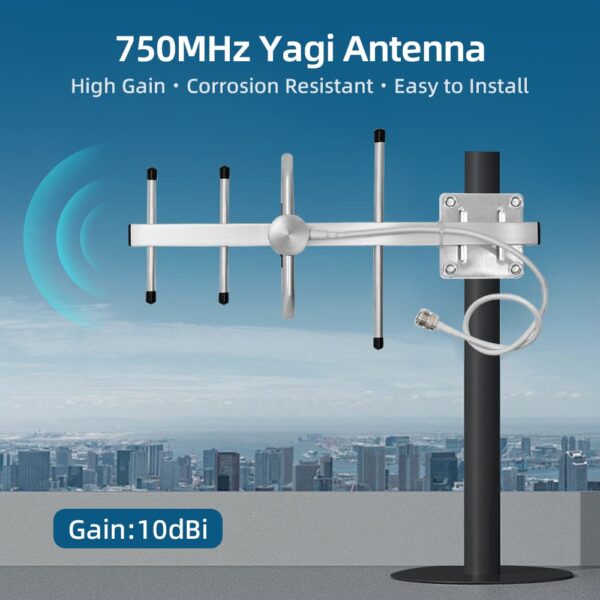
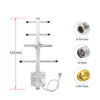
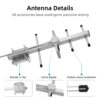
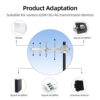
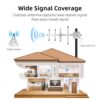
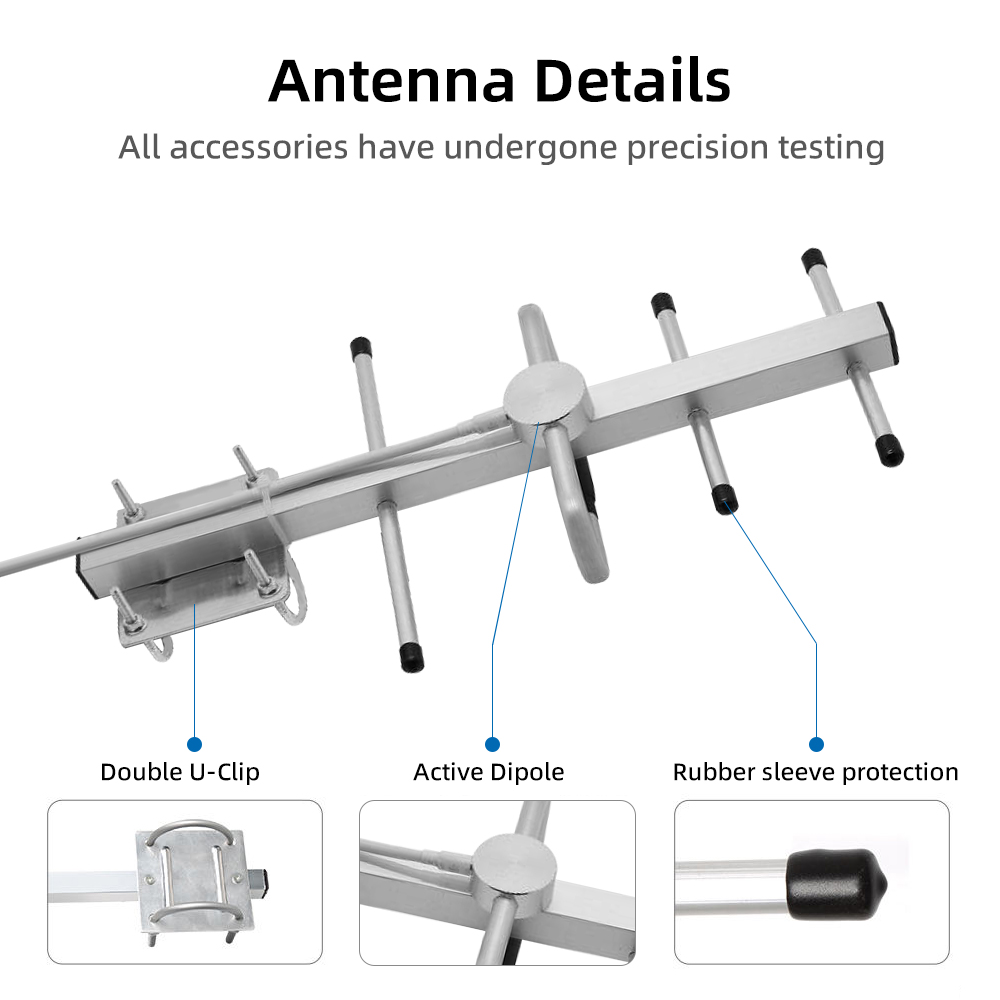
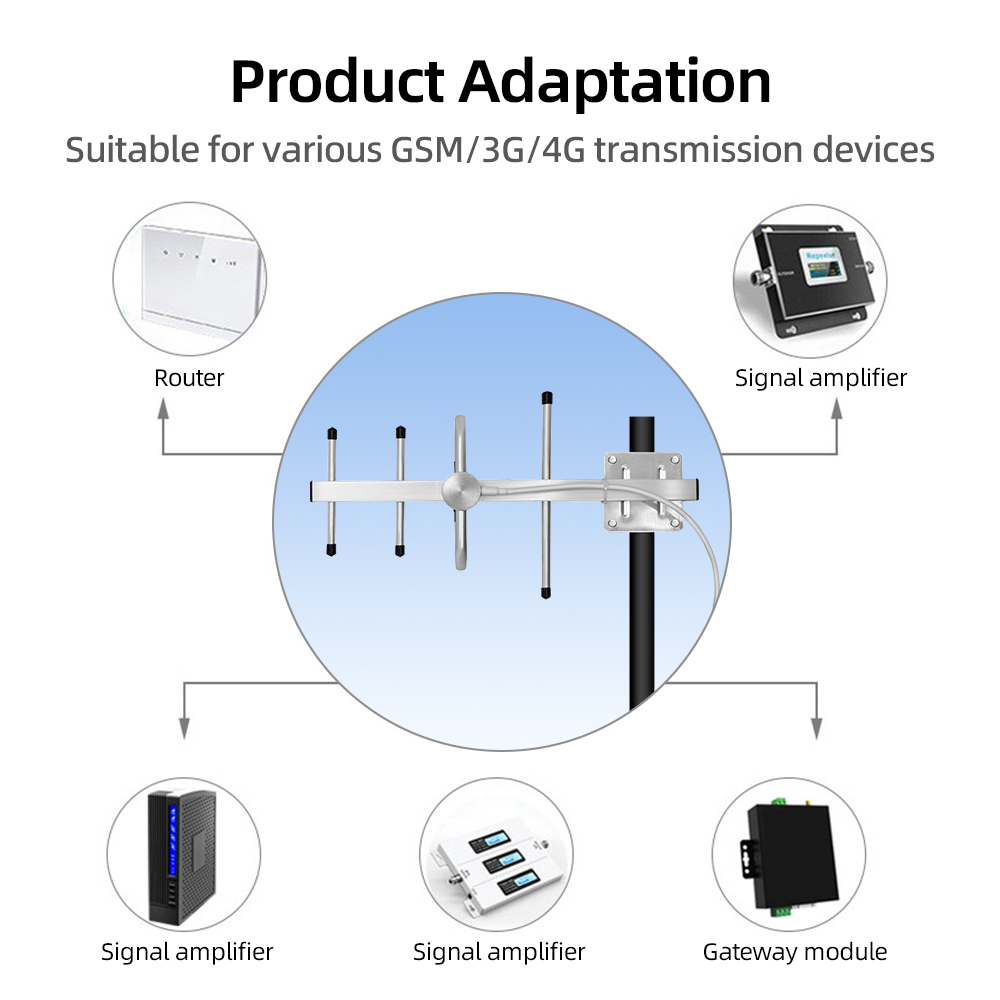
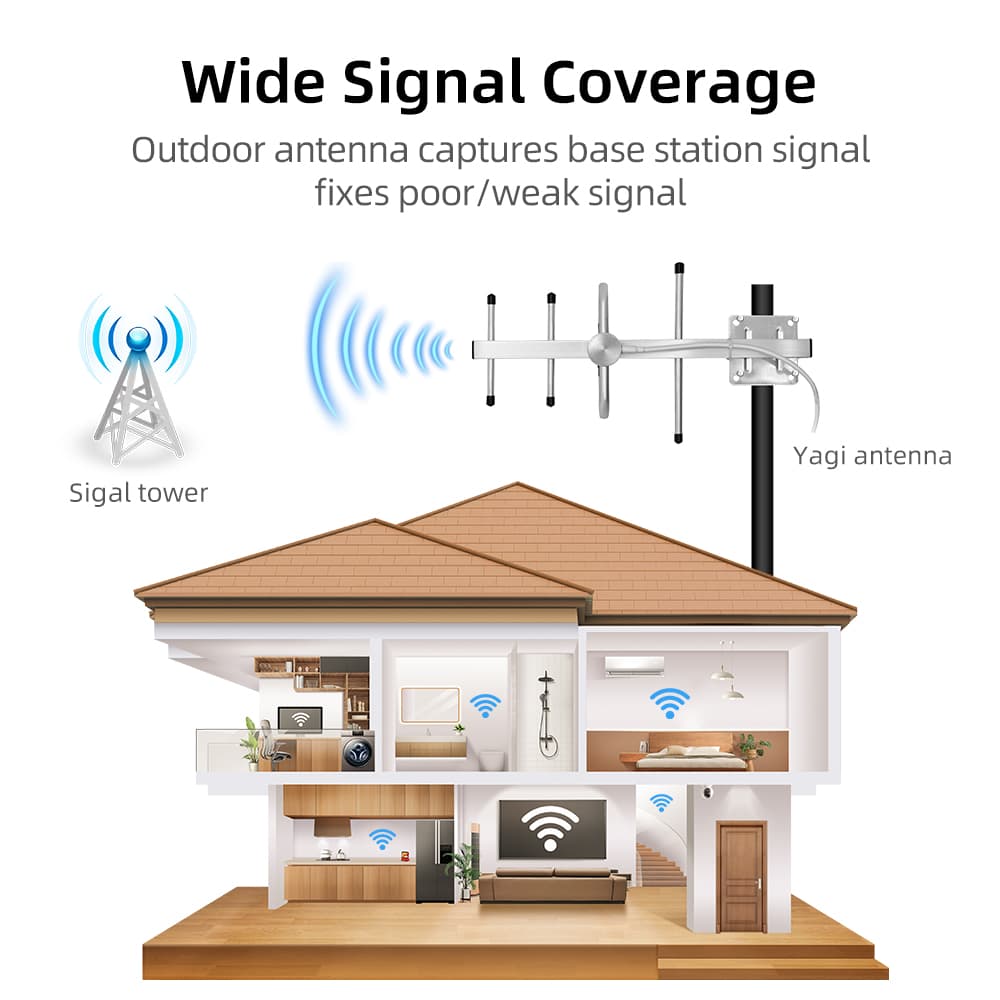
The FS-O13 is a directional Yagi antenna tailored to the frequency band your network uses. We configure each version for the required band instead of making unsupported wideband claims. Its driven element and parasitic elements work together to direct signals toward a specific point, helping a 4G router connect with a distant cell tower. For better reception, aim the antenna toward the serving tower and fine-tune its position while monitoring your router’s signal readings. You can mount the FS-O13 above the roof as an Outdoor yagi antenna for rural 4G coverage, or connect it to the donor side of a cellular repeater as a Signal booster antenna. For repeater installations, leave enough distance between the outdoor and indoor antennas to prevent feedback. We can customize the element count, frequency band, connector and cable length to match your installation, whether you need a 4G yagi antenna for a rural property or a directional connection for a remote telemetry site.
| Type | Yagi Antenna | Antenna Gain | 9DBI |
| Number Of Bands | can be customized | Terminals | support customized |
| Model Number | FS-O13 | Brand Name | support OEM |
| Place of Origin | Guangdong, China | Polarization | RHCP |
| Antenna Frequency | can be customized | Model Number | FS-O13 |
| DBI | 12DBI | Input impedance | 50Ω |
| VSWR | less than 1.5 | Applications | Widely used everywhere |
| Connector | customized | Customized | Vertical |
| Material | ABS | Price | Please contact us for most competitive price |
Q1. Does this Yagi antenna really cover 698–2700 MHz?
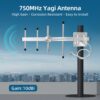
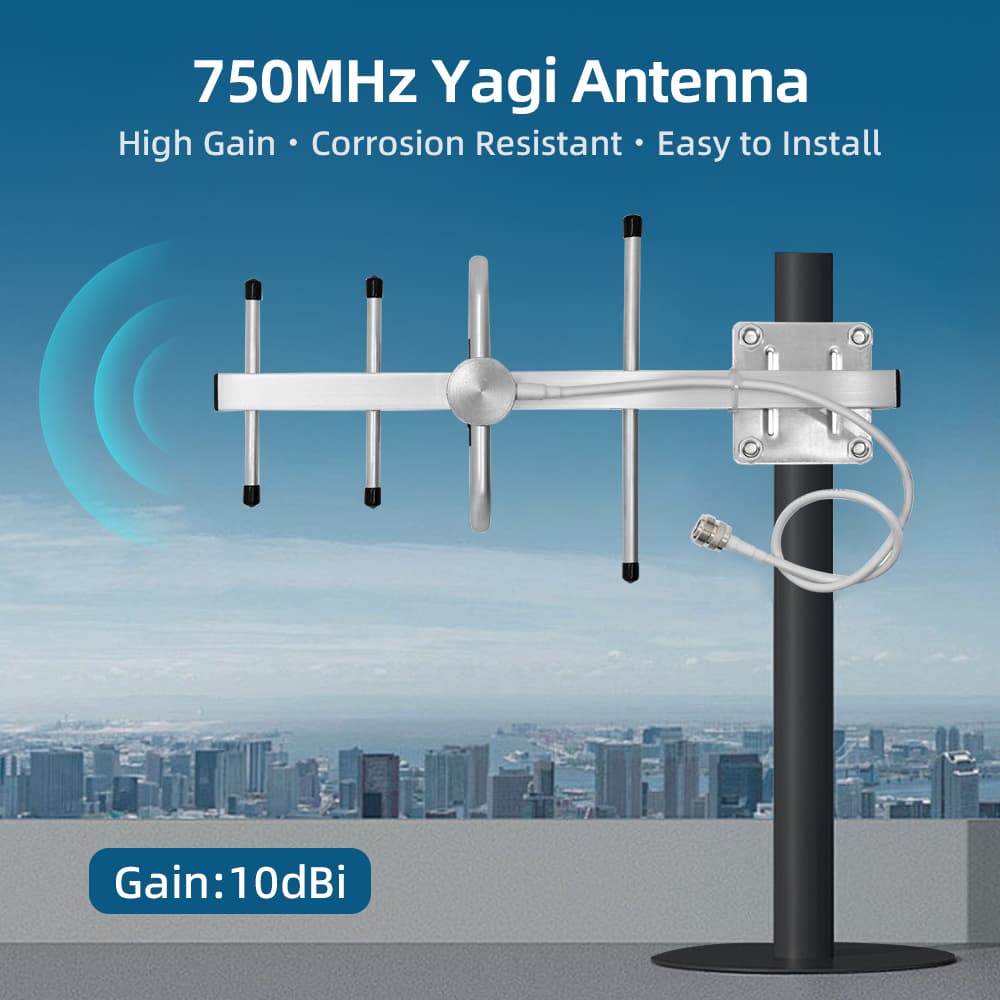
No. A conventional five-element Yagi antenna is designed around a specific frequency range, not the entire 698–2700 MHz spectrum. Its element lengths and spacing determine where it performs best, so a model tuned for 750 MHz won’t deliver the same performance at 2700 MHz. This version operates around 750 MHz, with an approximate range of 698–756 MHz. If you need to cover several widely separated bands, a log-periodic or broadband panel antenna may be a better option. Tell us which bands your project uses, and we can help select the right antenna design.
Q2. Is the antenna gain 9, 10 or 12 dBi?
For a five-element Yagi operating around 750 MHz, gain typically falls in the 9–10 dBi range. The actual figure comes down to the element dimensions, spacing, boom design and test conditions. More elements can increase gain, but they don’t tell the whole story. Two antennas with the same element count can produce different results. When comparing models, look at the measured gain rather than relying on the number of elements or a headline figure. If you have a target gain in mind, we can review it against your frequency and installation requirements.
Q3. Is this a passive antenna? Do I need a signal booster?
This is a passive Yagi antenna, so it has no built-in amplifier or separate power requirement. Connect it directly to a compatible 4G router or modem with an external antenna port. Its directional design helps the router receive signals from a chosen tower without adding electronic amplification. You can also use it as the outdoor donor antenna in a cellular repeater system. In that case, keep the outdoor and indoor antennas far enough apart to prevent feedback and oscillation. The repeater manufacturer’s isolation requirements will help you determine the right mounting positions.
Q4. Will this 750 MHz 4G Yagi antenna work with my router?
That depends on the LTE band your router uses. Many 4G routers support several bands, but this antenna only covers its designed frequency range of approximately 698–756 MHz. LTE Bands 12 and 17 fall within that range, while Band 20 (800 MHz), Band 8 (900 MHz) and Band 3 (1800 MHz) do not. Bands 13 and 14 also extend beyond the antenna’s stated range, so don’t assume full-band coverage. Before ordering a 4G yagi antenna, check the bands supported by your carrier and the band your modem actually uses at the installation site. Send us your router model and target band if you need help matching the antenna to your network.
Sales: nora@fs-sz.com
Technical Support:jason@fs-sz.com
Sales :+86-13316864973
Technical Support :
+86-13683276589
+86-13427976189
+86-0755-85223189