





Scroll to Top
Share to:
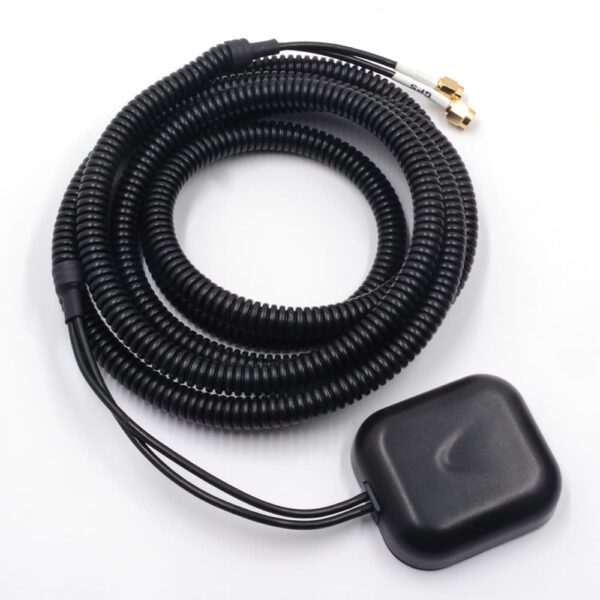
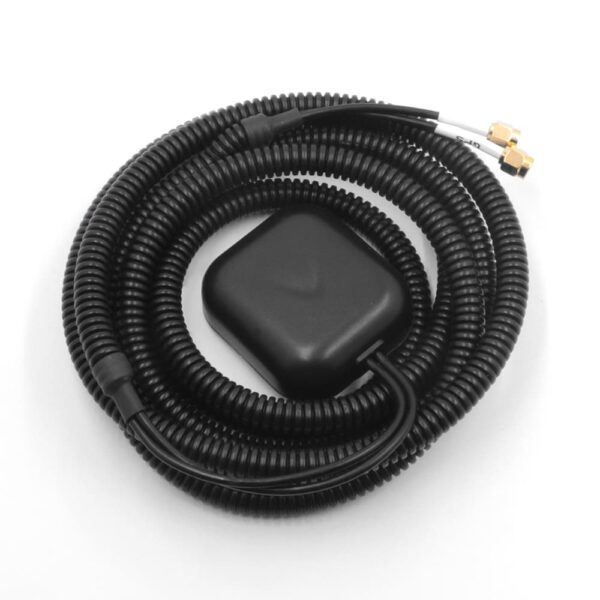
GPS Antenna Magnetic Mount for Vehicle Tracking
Product features:
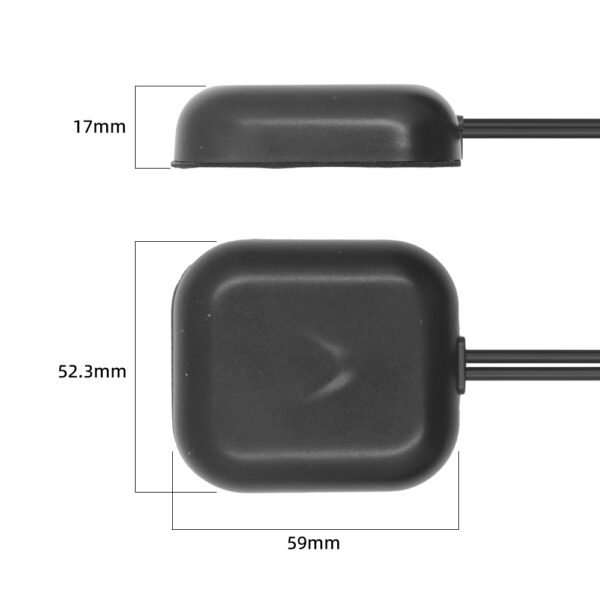
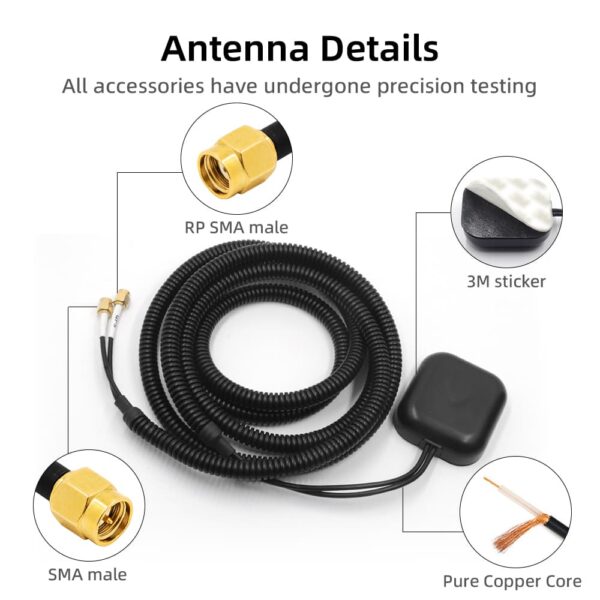
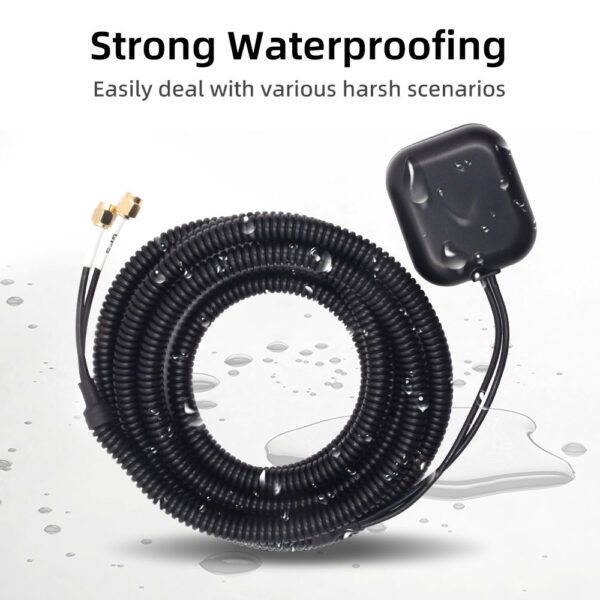
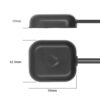
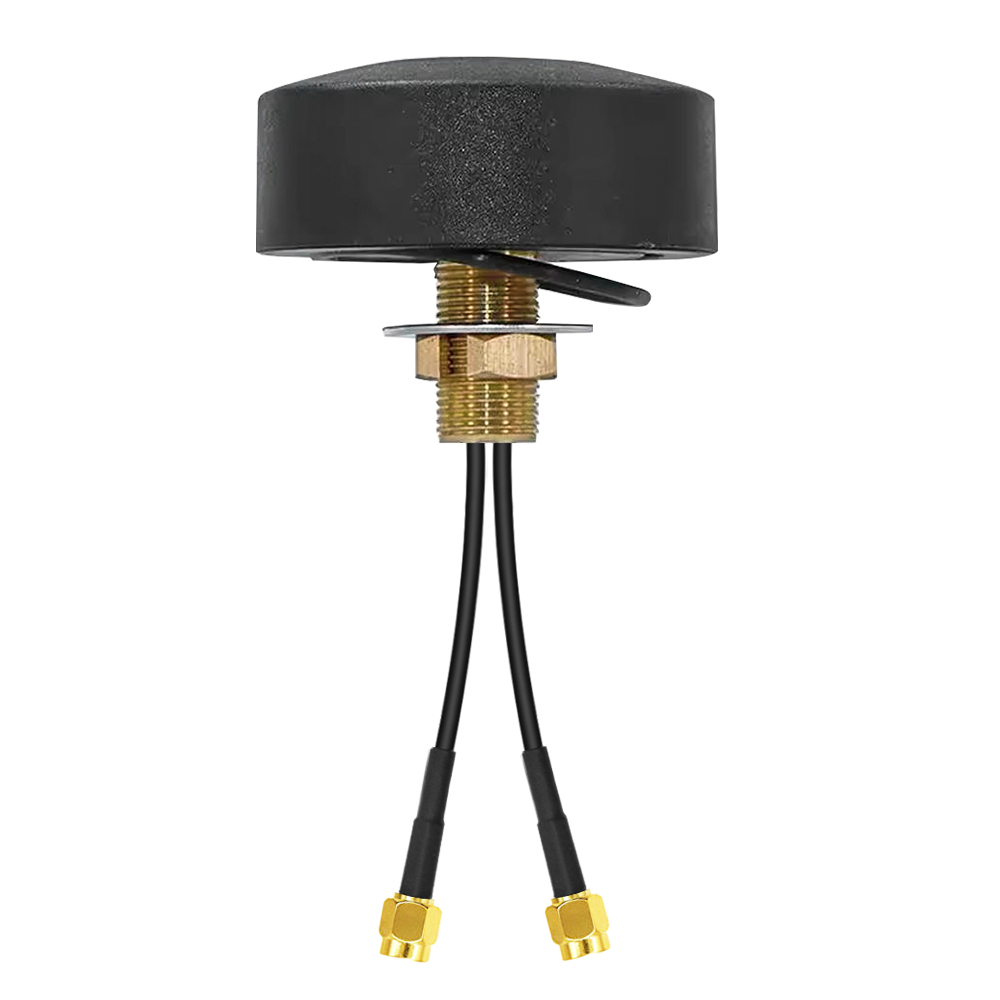
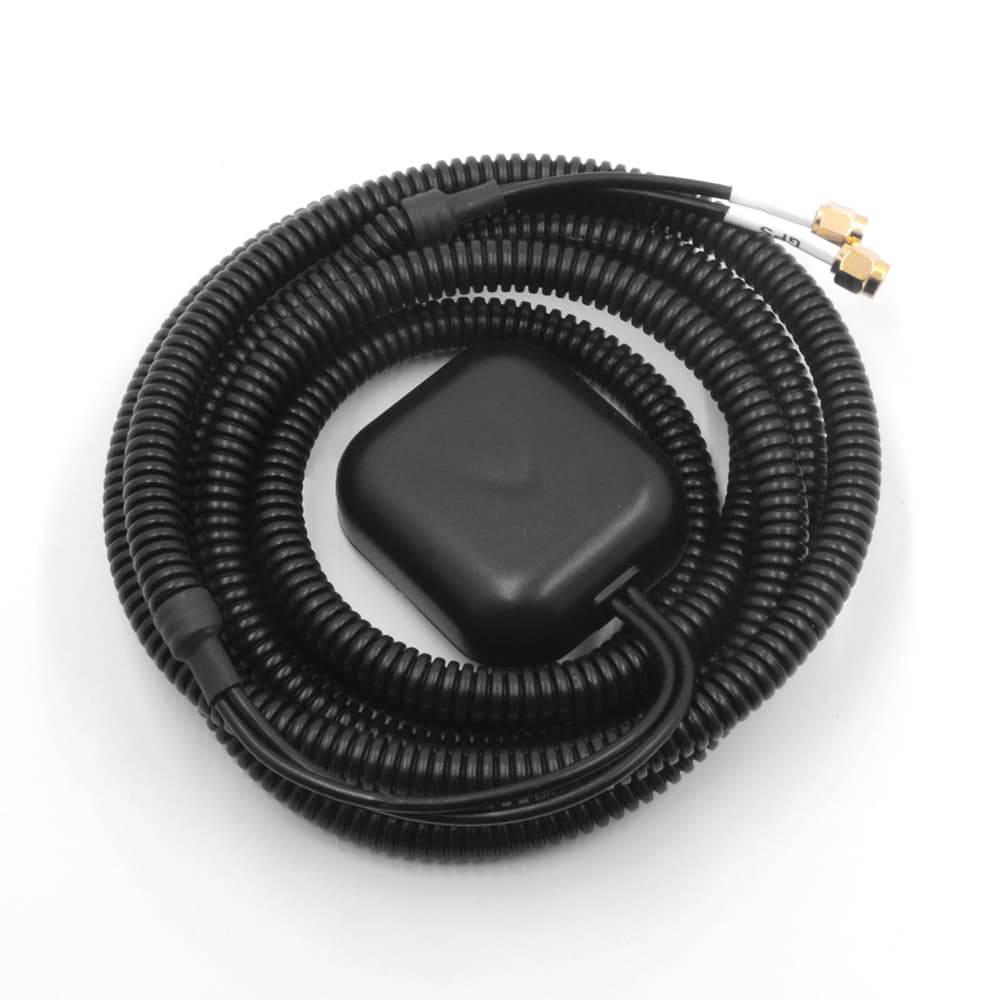
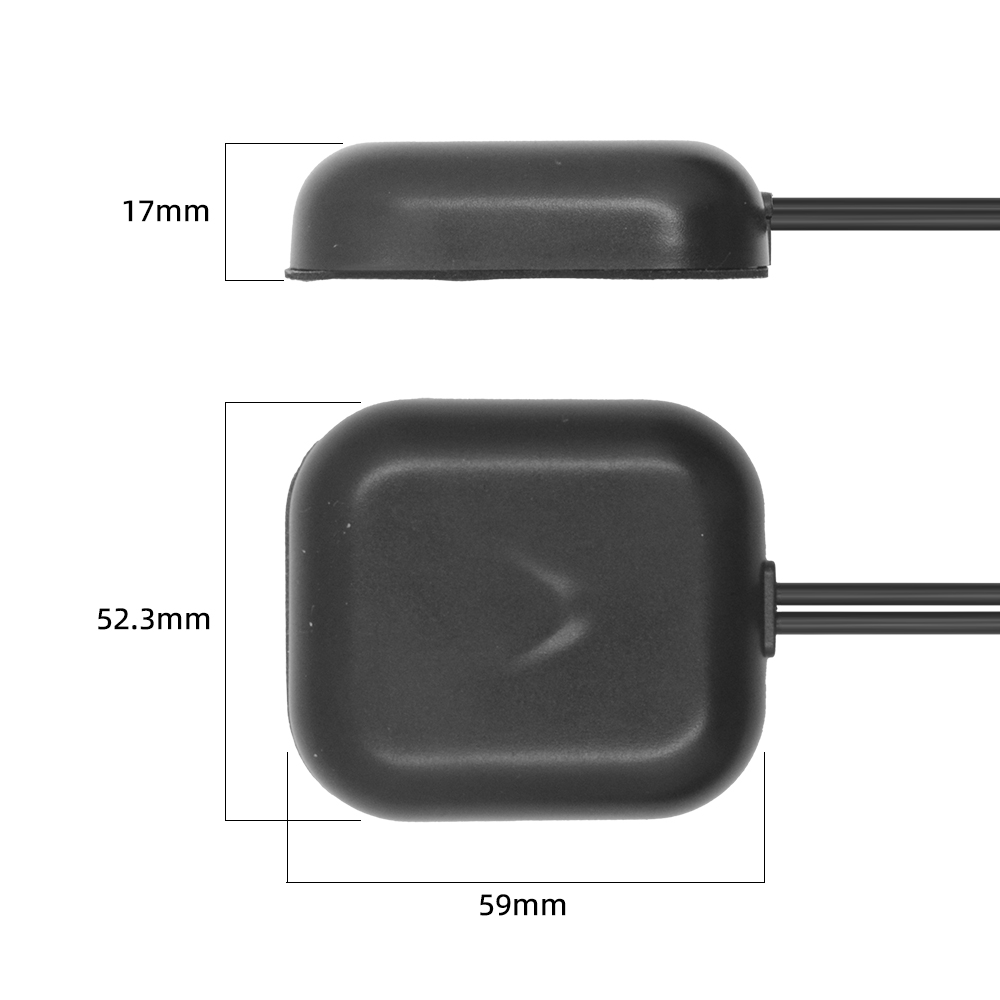
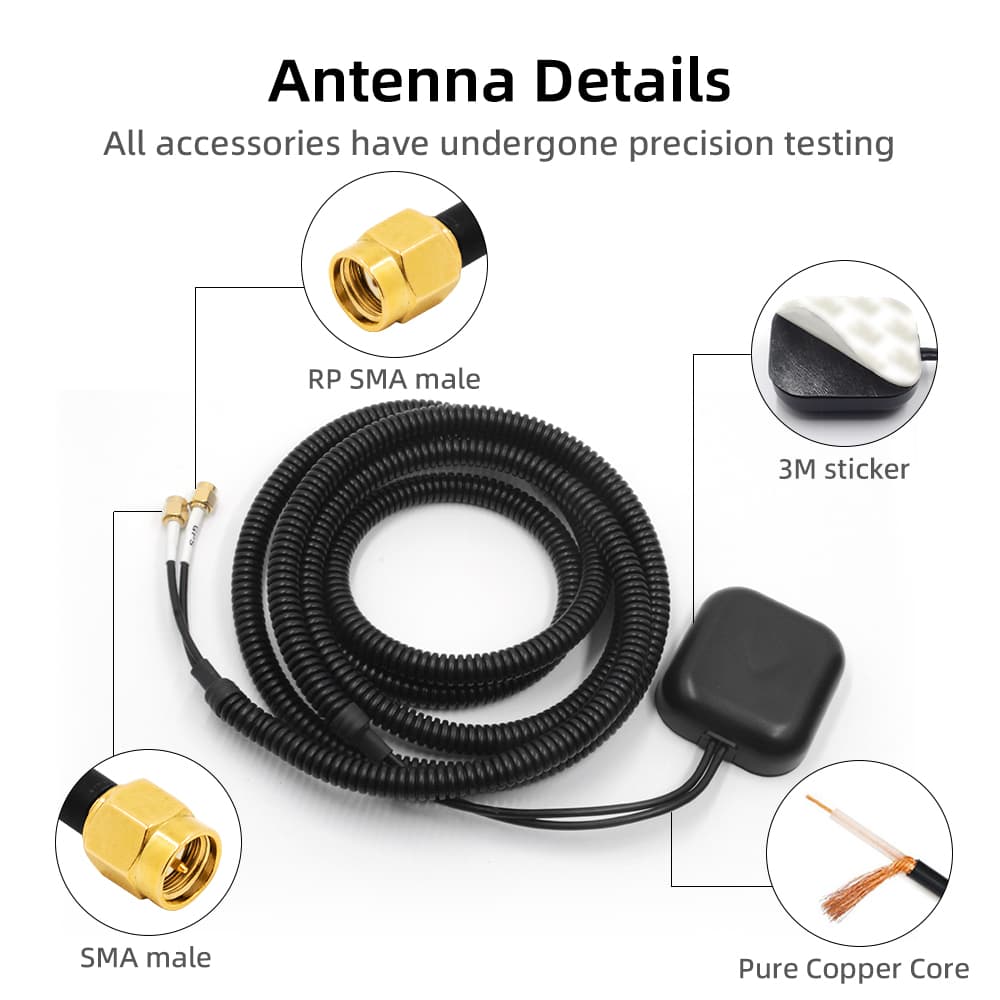
The FS-G4 brings GNSS positioning and cellular connectivity together in one compact housing, with two separate leads and just one roof mounting point. The GNSS lead connects the built-in amplified patch to the receiver, while the second lead serves the passive cellular antenna. Each lead has a dedicated RF connection, so they cannot be used interchangeably. The magnetic base also provides the ground plane for the GNSS patch, which is why this magnetic GPS antenna works best on a suitable steel surface. If you plan to mount it on a plastic dashboard, you may need an additional metal ground plate to maintain good reception. The FS-G4 suits fleet operators looking for one vehicle antenna for tracking and cellular communication, as well as equipment manufacturers adding GNSS and cellular functions to charging stations, gateways and remote monitoring devices. We can tailor the connectors, cable lengths and housing markings to your installation, whether you need a car GPS antenna for a van or a compact GPS antenna for a trailer or outdoor cabinet.
| Type | GNSS/GPS Antenna | Antenna Gain | 28DBI |
| Number Of Bands | Can be customized | Terminals | support customized |
| Installation | can be customized | Connector Type | can be customized |
| Model Number | FS-G4 | Brand Name | support OEM |
| Place of Origin | Guangdong, China | Polarization | vertical |
| Antenna Frequency | Can be customized | Frequency | 700-2700MHz |
| Mounting | Adhesive / Magnetic | VSWR | less than 1.5 |
| Connector | Can be customized | Independence | 50Ω |
Q1. Why do the two antenna leads have different connectors?
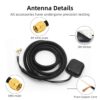
The connectors match the RF ports on the devices they connect to. The GPS lead commonly uses SMA, while the cellular or Wi-Fi lead may use SMA or RP-SMA, depending on the equipment. SMA and RP-SMA share the same thread, but their centre contacts are different. This means a plug may screw into a socket without making a proper electrical connection. Before ordering a vehicle antenna, check the connector types on your device. We can supply the cable assembly to match.
Q2. Do I need to connect both antenna leads?
That depends on which functions your device uses. If it only needs GNSS positioning, you can connect the GPS lead alone. If it also needs cellular communication, connect the cellular lead as well. Devices that use both functions need both connections. Keep any unused connector capped to protect it from moisture, dust and dirt, particularly in outdoor or vehicle installations.
Q3. Will the magnetic base stay in place at motorway speeds?
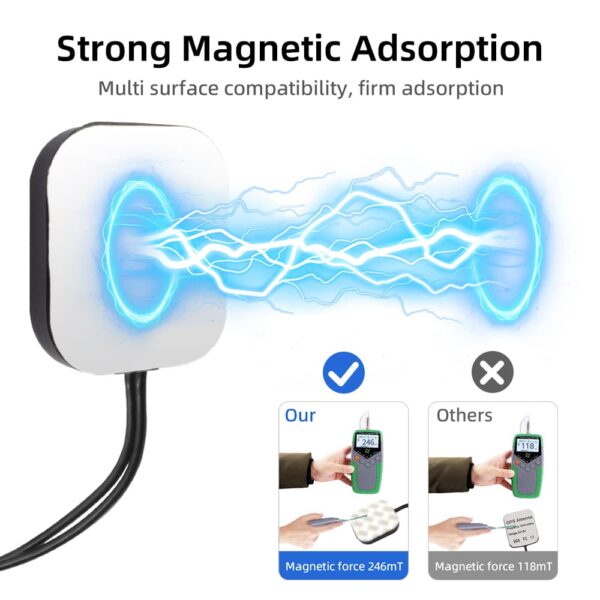
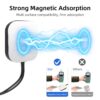
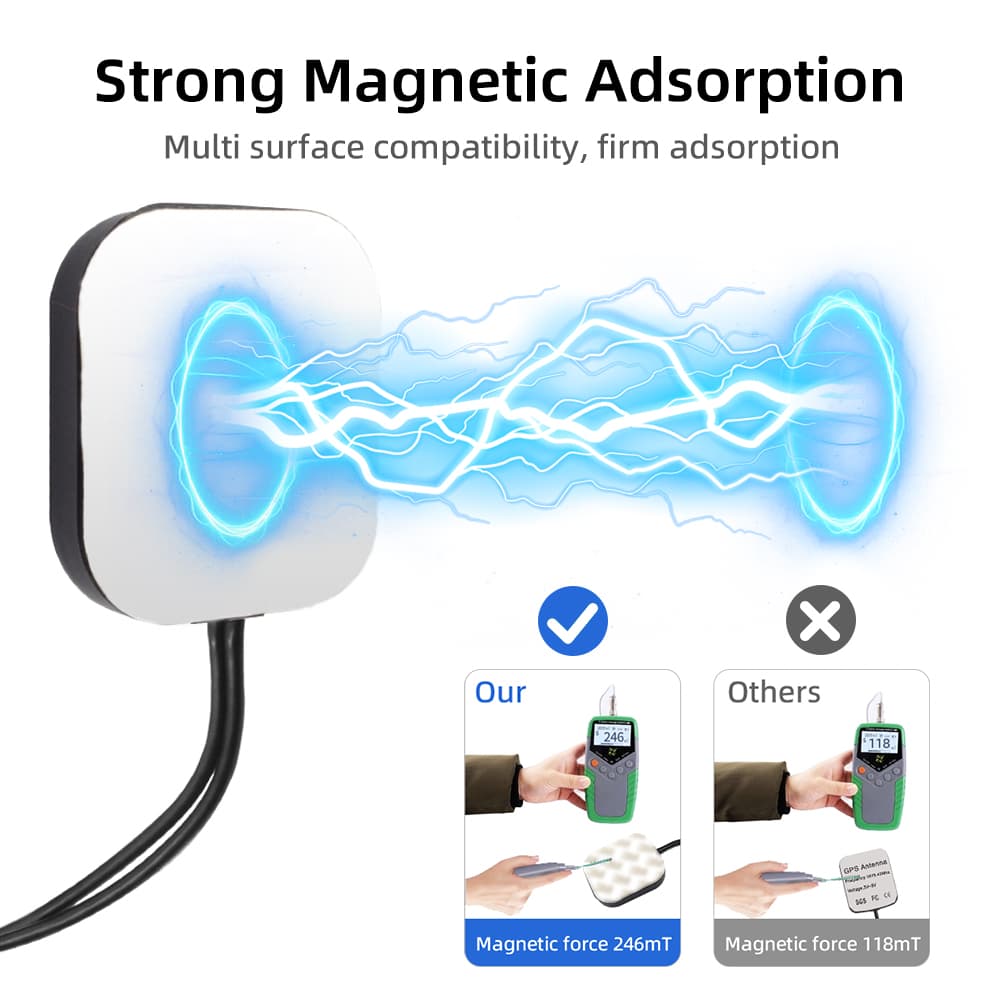
The magnetic base is designed to attach to a flat steel surface, but several factors affect how securely it holds. Roof curvature, paint condition, wind load, vibration and driving speed all matter. For vehicles that regularly travel at high speeds or go through automatic car washes, a safety tether or fixed mounting bracket offers extra security. It’s also worth checking the magnet’s rated holding force and the installation instructions before fitting the antenna.
Q4. Can I mount this car GPS antenna on a plastic dashboard?
You can, but reception may suffer if the antenna relies on a metal ground plane. Plastic itself doesn’t provide one, and nearby metal structures or vehicle electronics can also affect signal reception. If the design requires a ground plane, placing a suitable metal plate beneath the antenna may help. Try to choose a position with a clear view of the sky and keep the antenna away from potential sources of interference. These mounting considerations also apply to other magnetic GPS antenna designs.
Sales: nora@fs-sz.com
Technical Support:jason@fs-sz.com
Sales :+86-13316864973
Technical Support :
+86-13683276589
+86-13427976189
+86-0755-85223189