




Scroll to Top
Share to:
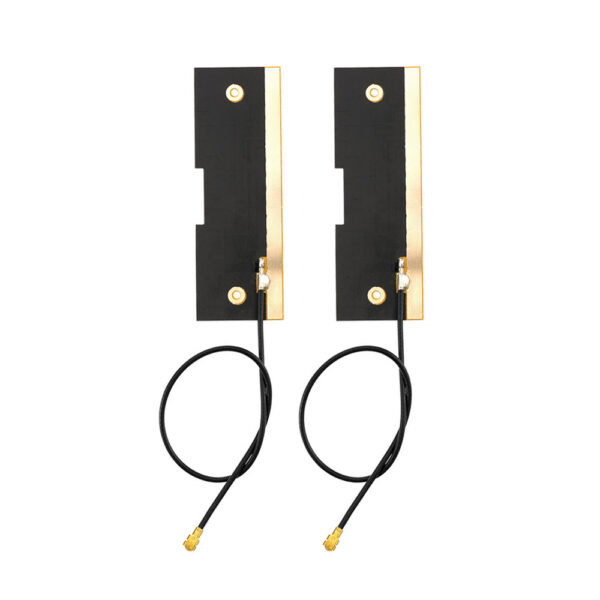
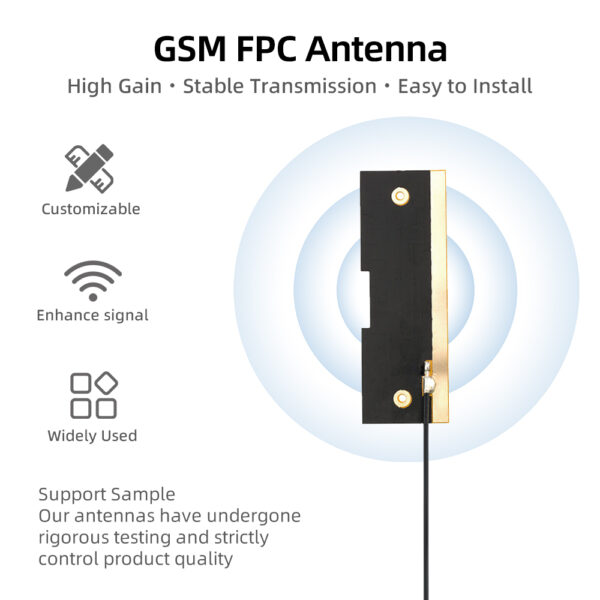
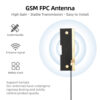
FPC LoRa Antenna for Utility Meter and Sensor
Product features:
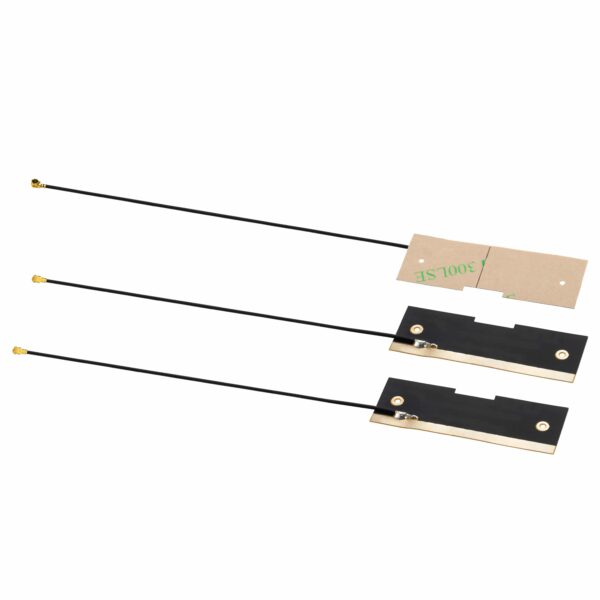
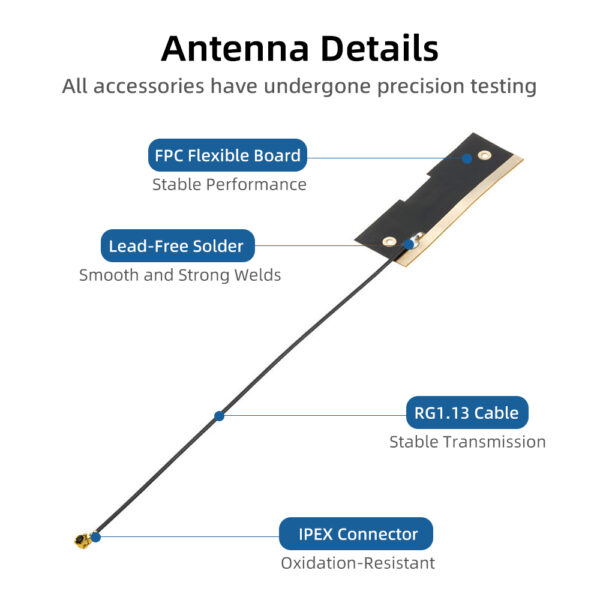
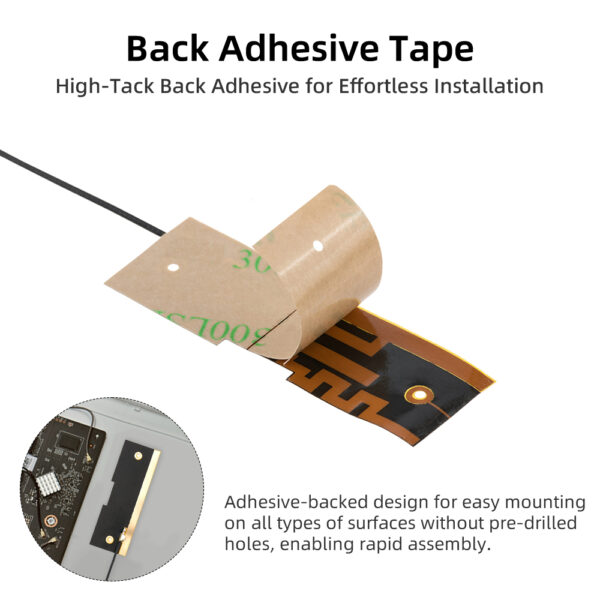
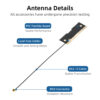
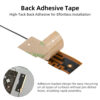
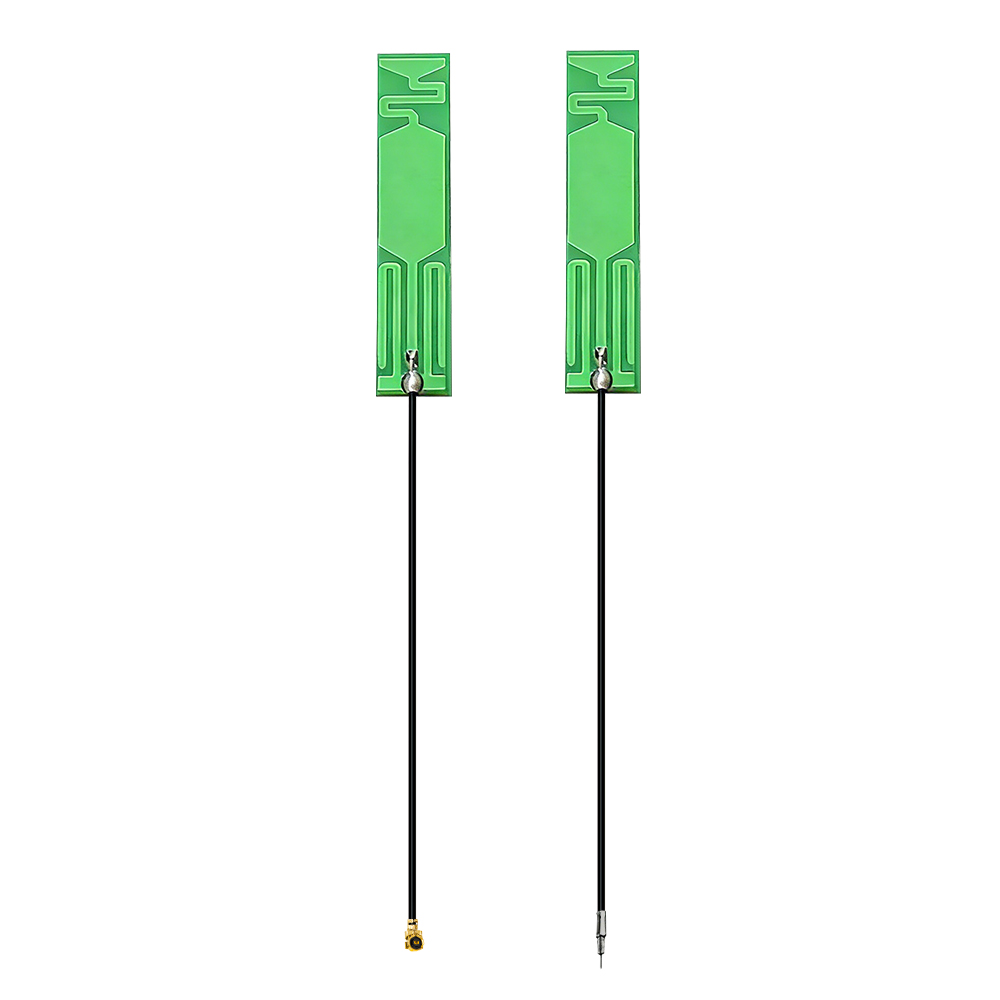
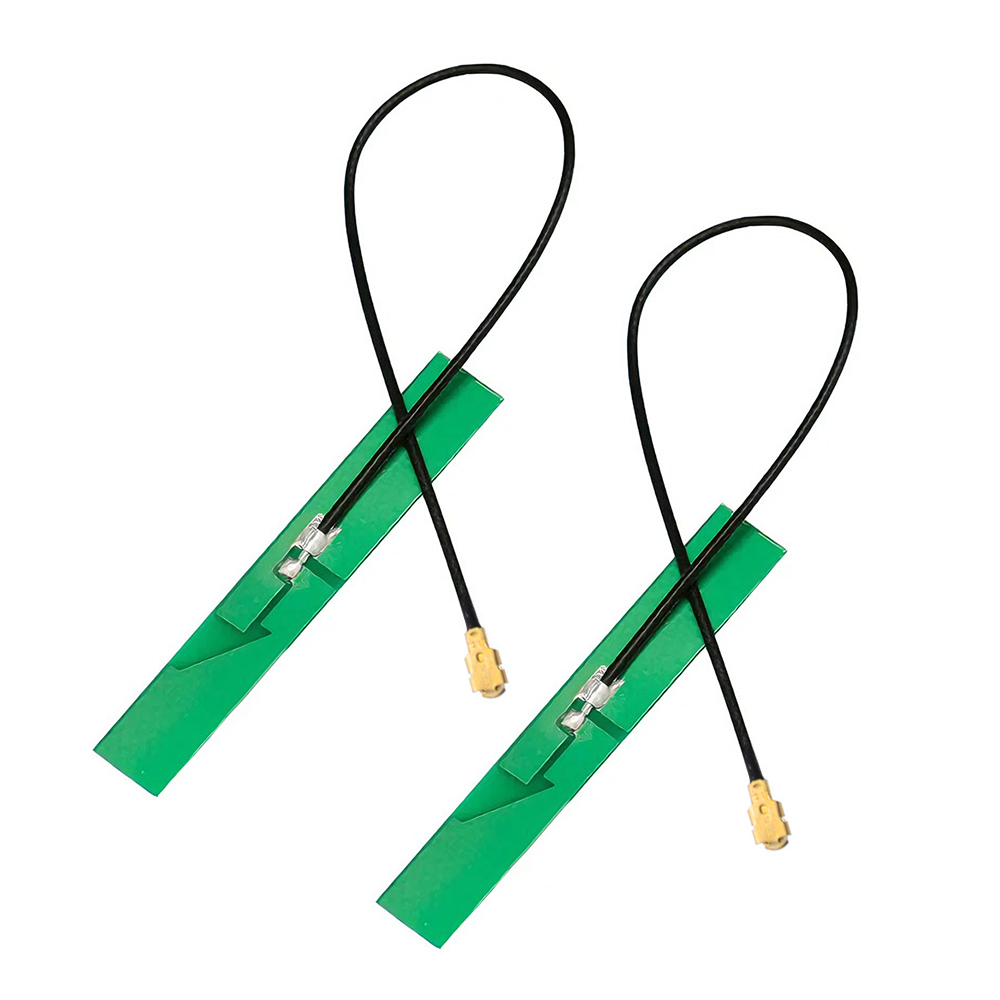
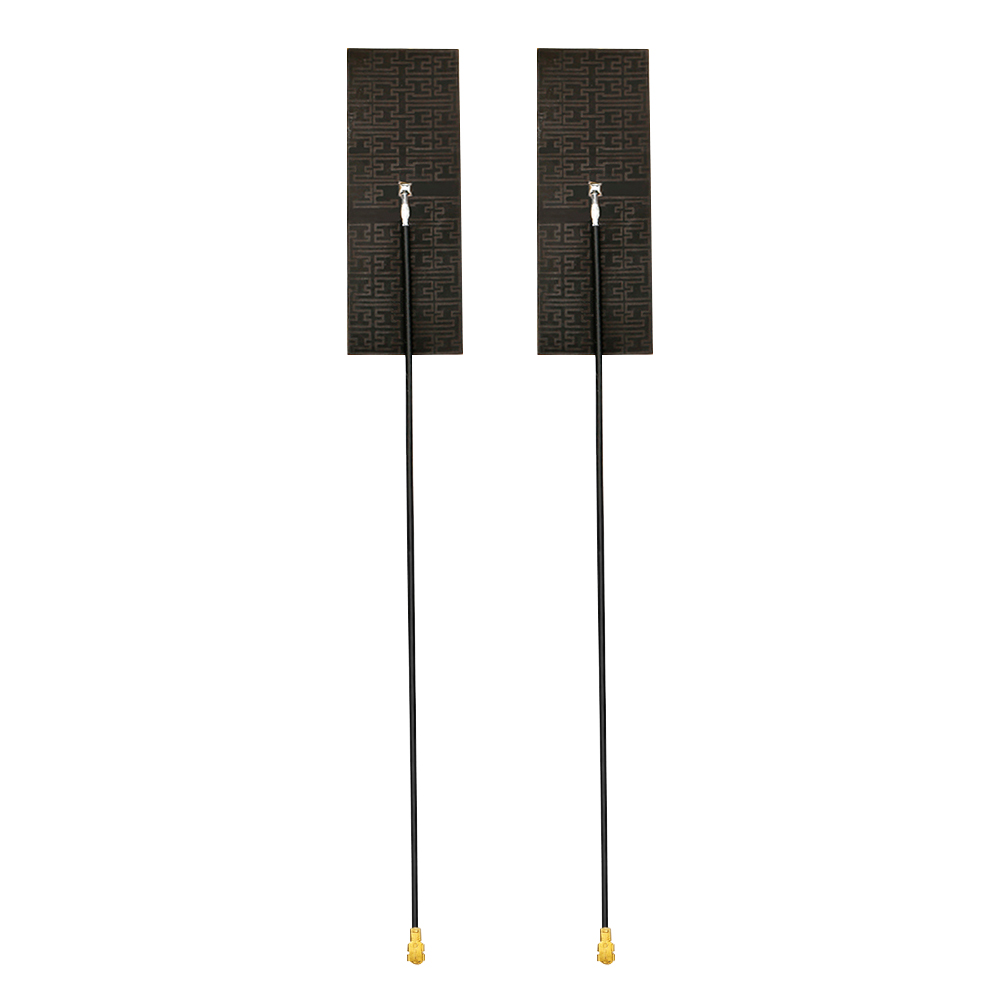
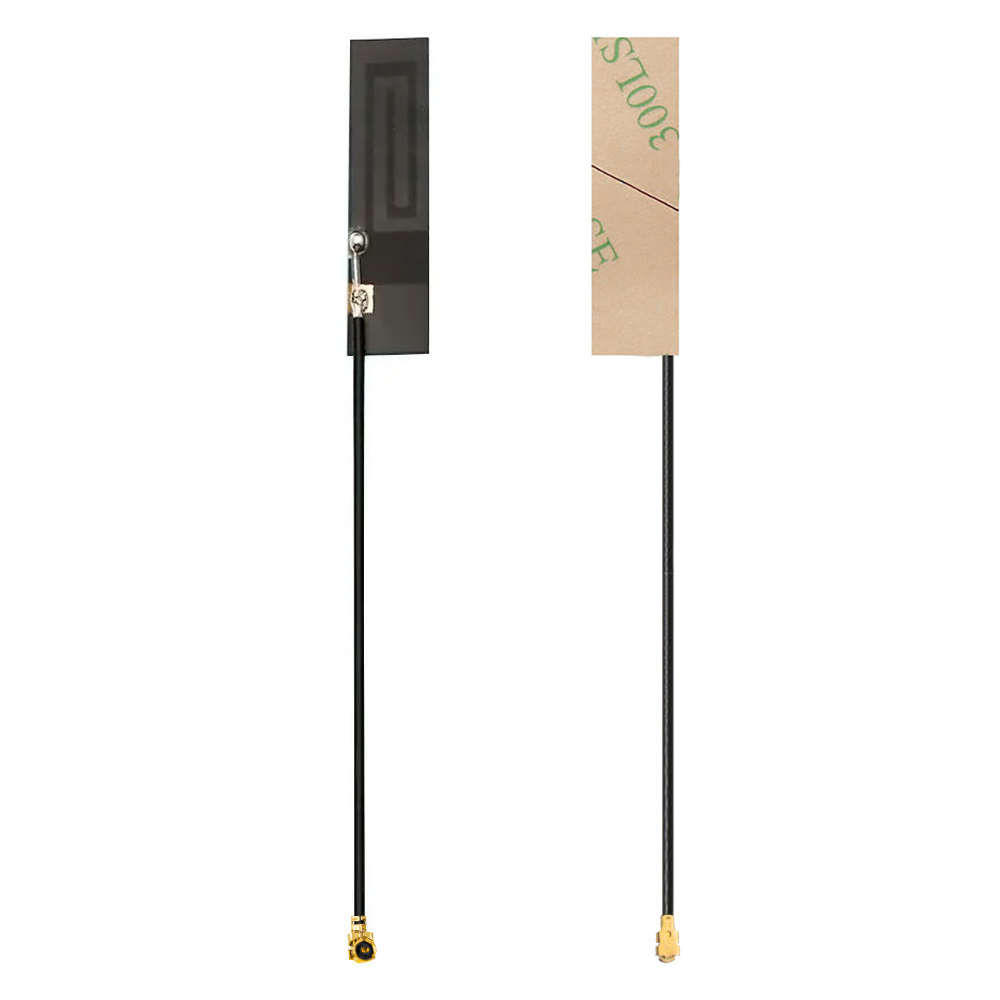
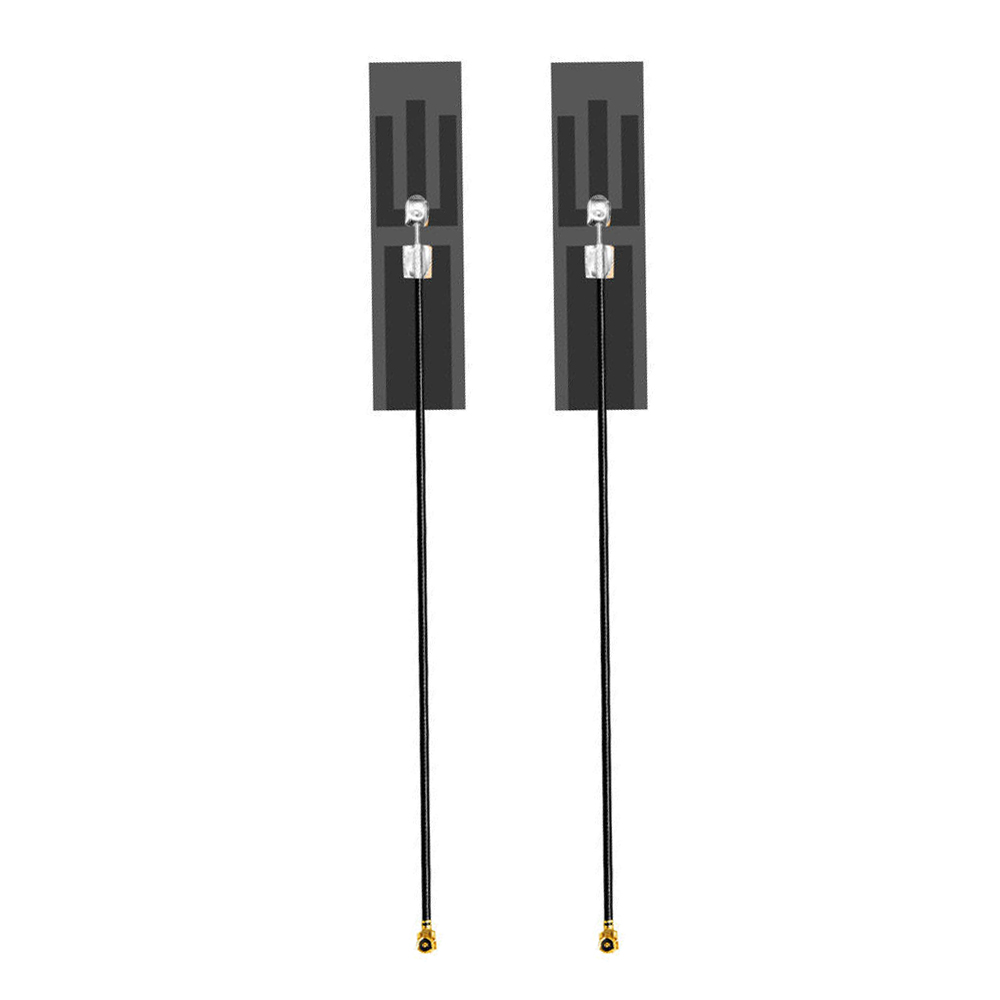
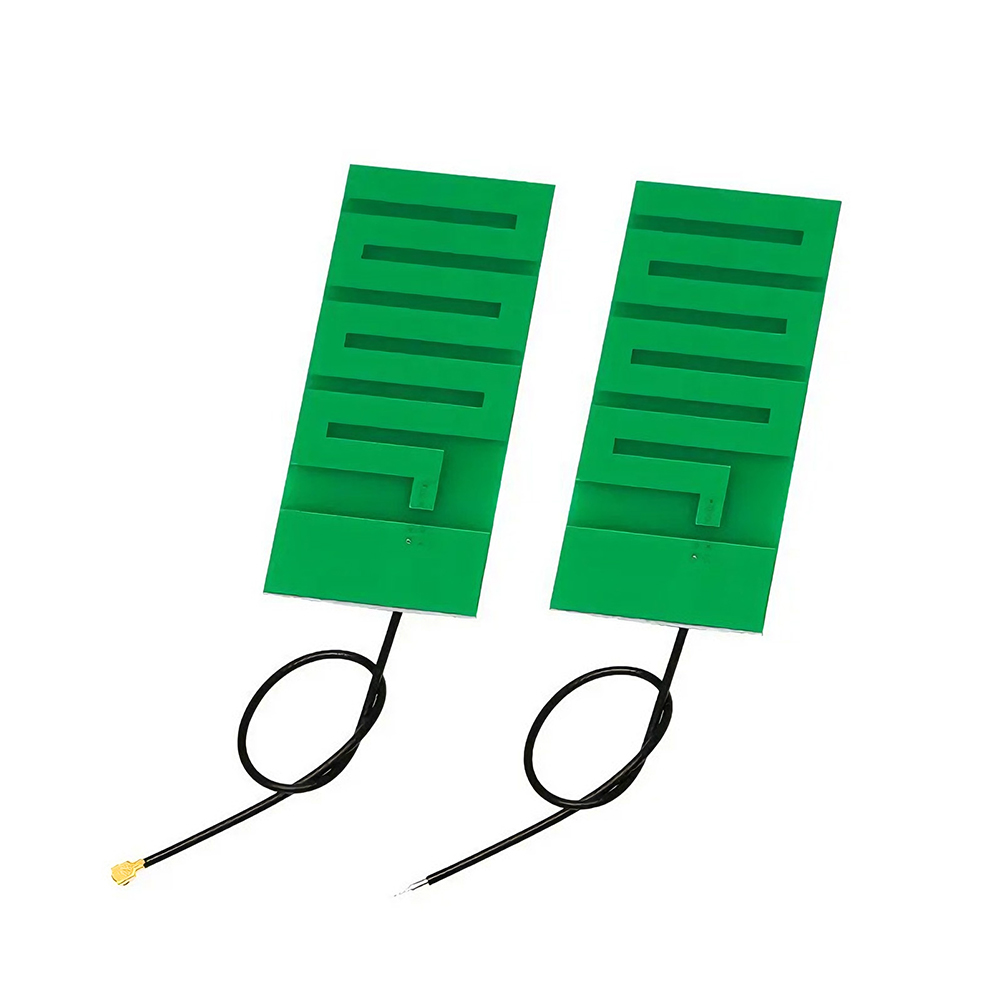
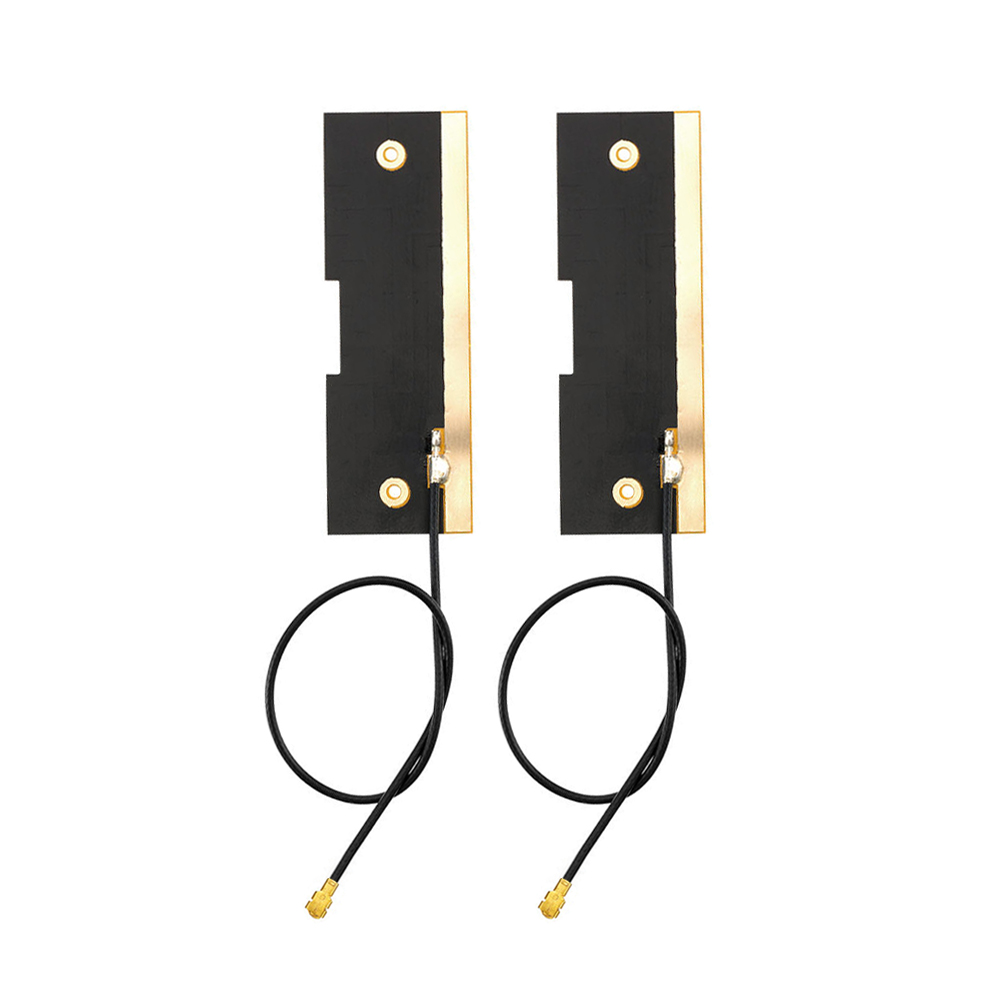
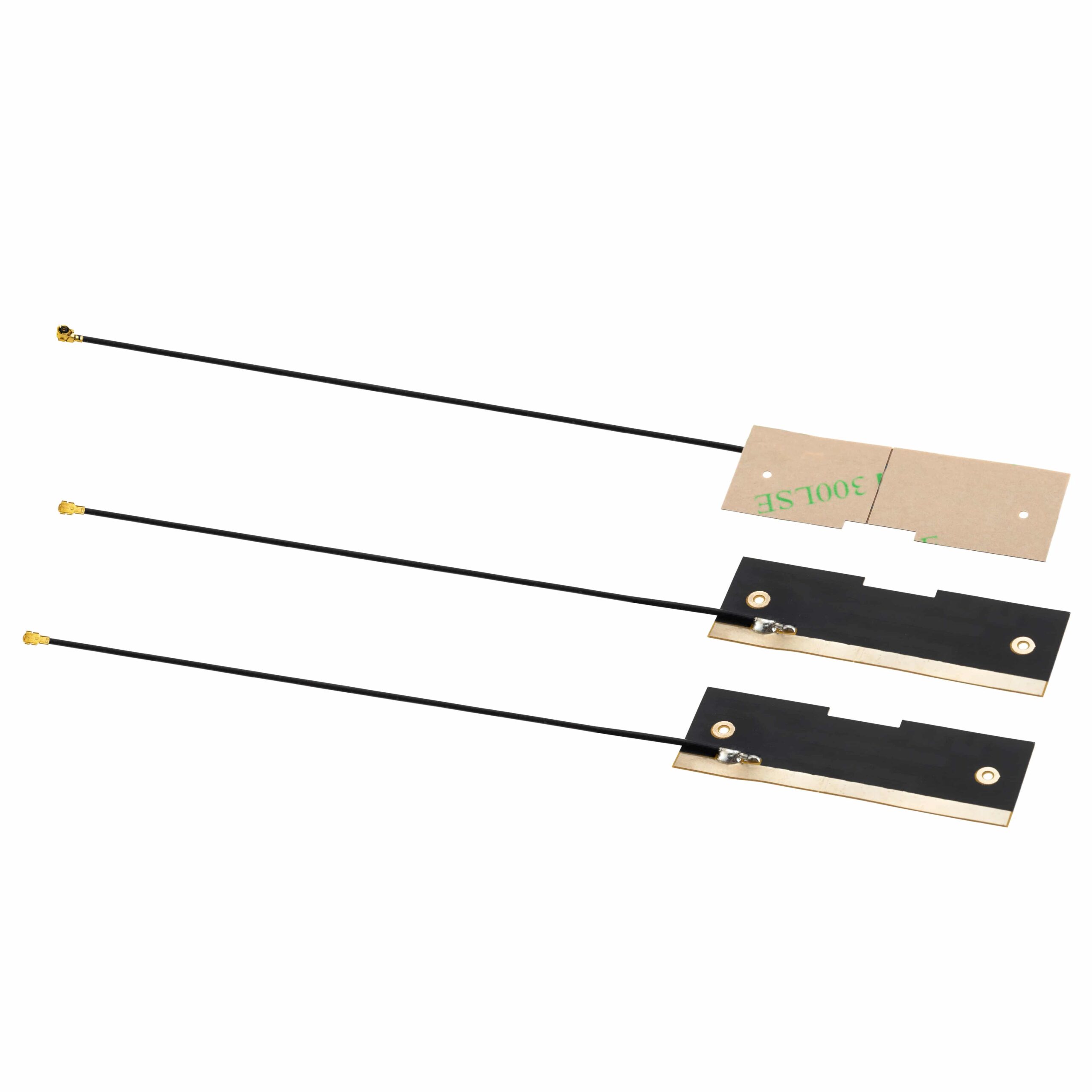
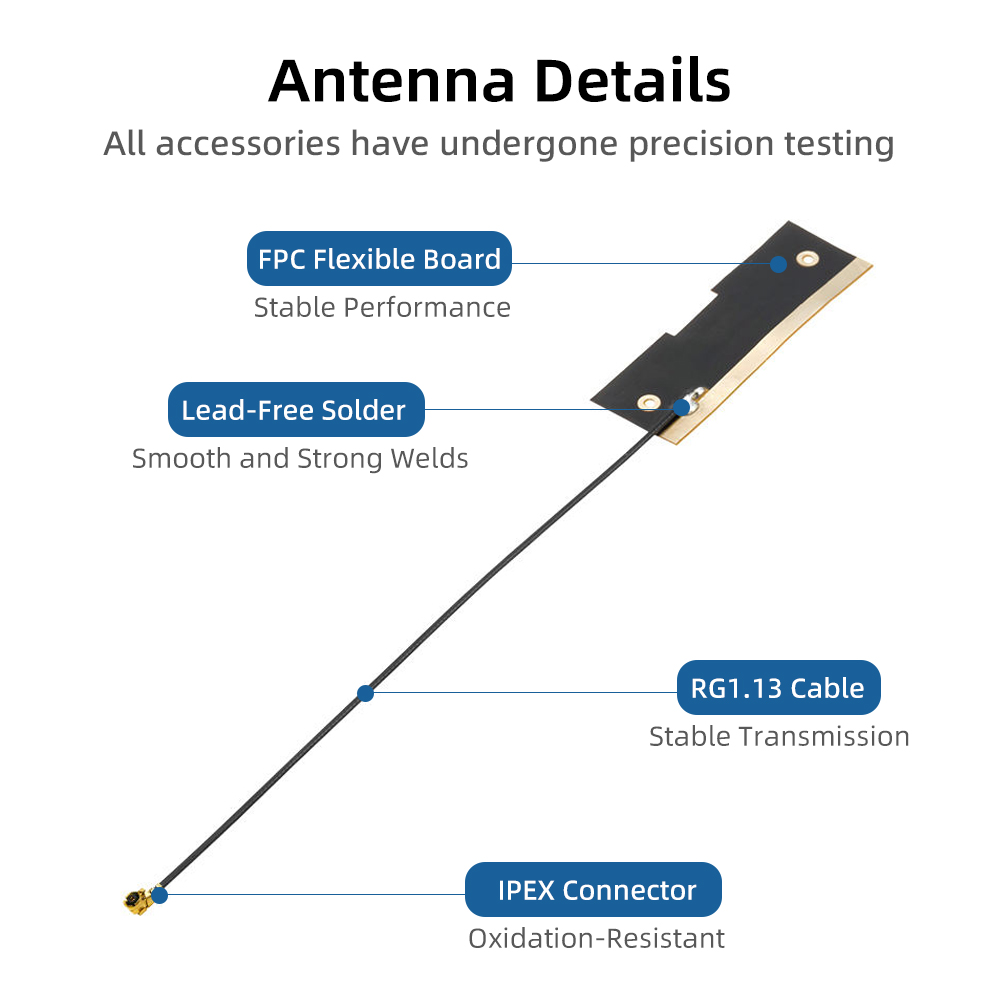
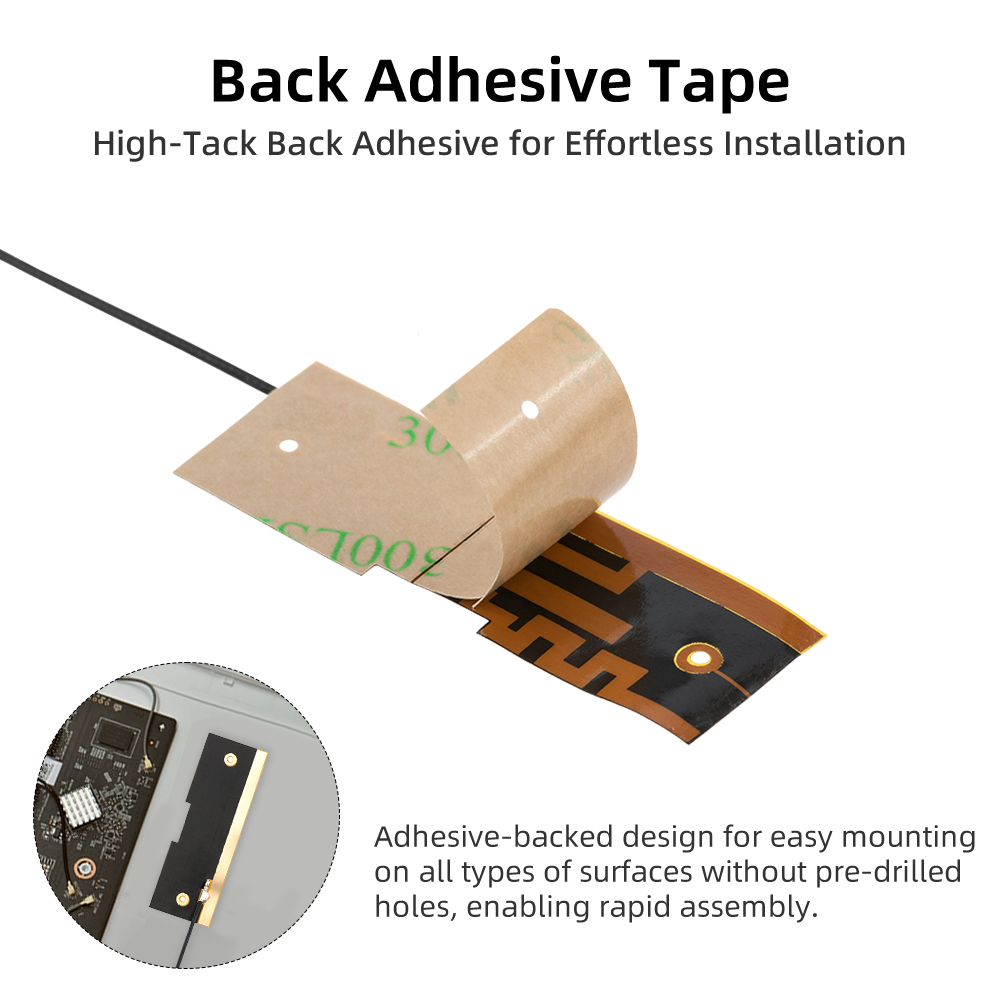
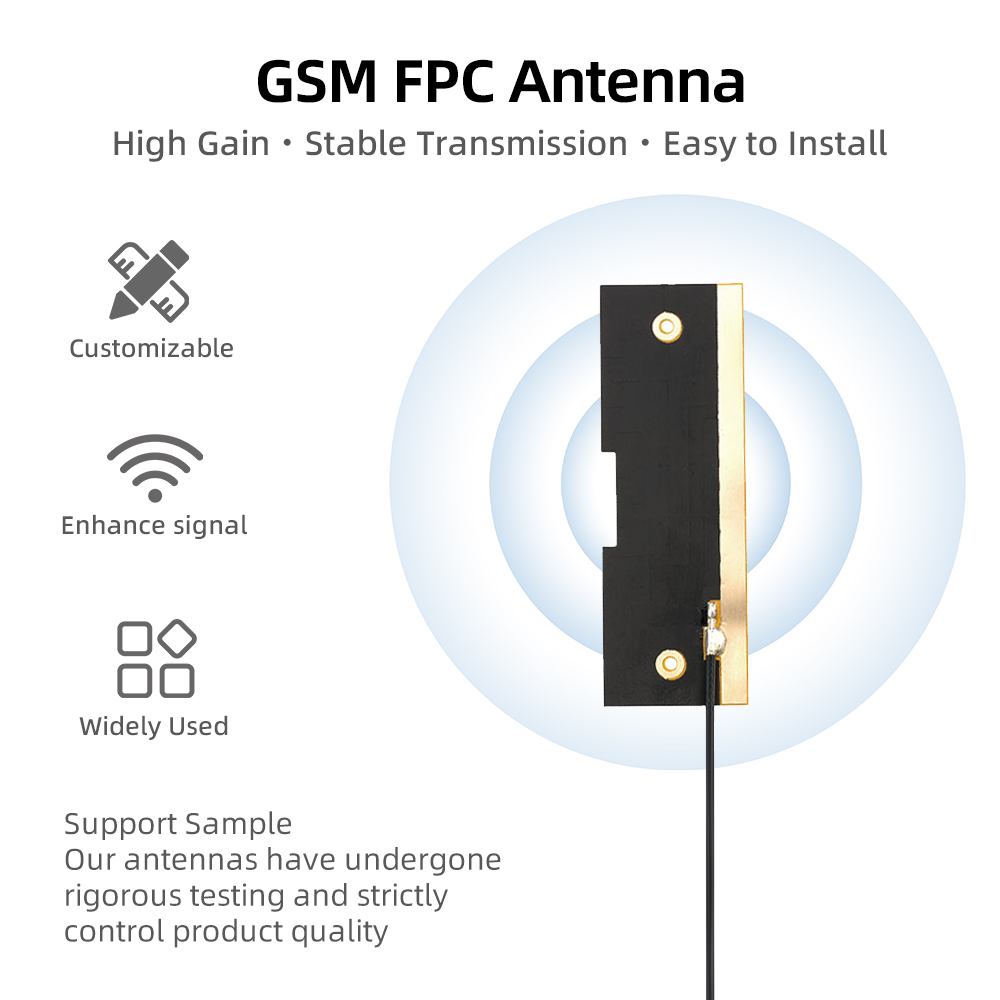
A LoRa antenna needs to match the frequency band used in its target market. A 433 MHz design, for example, will not necessarily work well at 868 MHz or 915 MHz. This FPC LoRa antenna uses a meandered element on a flexible carrier, so it can fit inside compact enclosures and along curved surfaces. Depending on the housing, you can secure it with adhesive or use the mounting eyelets for screw fixing. Keep it in the recommended orientation and away from nearby metal parts. The host PCB and enclosure can also affect tuning, so test the Internal LoRa antenna in the finished device. Its slim, flexible construction makes this LPWAN antenna a practical choice where a rigid PCB antenna is difficult to install.
| Type | LORA/ LPWAN Antenna | Antenna Gain | 5 |
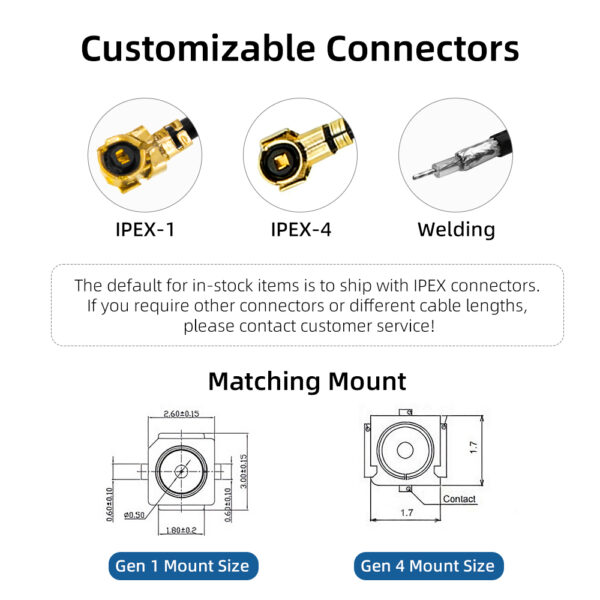
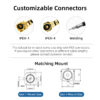
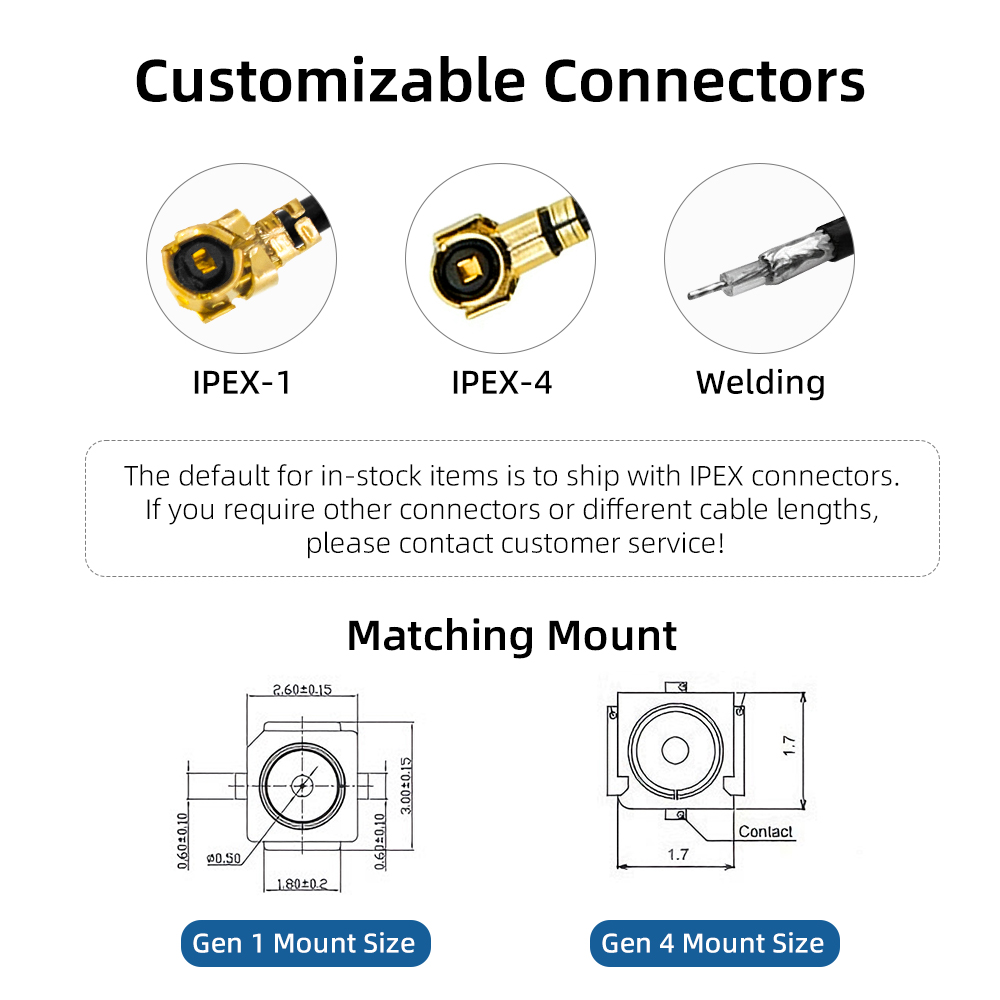
| Installation | BASE MOUNT | Connector Type | Can be customized |
| Model Number | FS- B16 | Place of Origin | Guangdong, China |
| Polarization | Linear | Antenna Frequency | Can be customized |
| Frenquency | Can be customized | Model number | FS-B16 |
| Material | FPC | Gain | 2DBI or can be customized |
| Polarization | Vertical | Connector | Can be customized |
| Gross weight | 0.1kg | Operation Temperature | -30 degree to 80 degree |
| Size | Tell us your requierments, we can 100% fully meet your demands. | Support OEM/ODM | Yes |
LoRaWAN Sensor Nodes-Temperature, humidity, water leak and air quality sensors often use compact plastic housings. An Internal LoRa antenna fits inside without adding an external antenna. Keep it clear of the battery and nearby metal parts, as these can affect RF performance.
Smart Metering-Water, gas and electricity meters use LoRaWAN and other LPWAN technologies to send readings over long periods. A compact LoRa antenna fits inside the meter housing, avoiding the need for an external mount. Adhesive strength and mounting position deserve attention, especially in underground meters that are rarely accessed for maintenance.
Asset Tracking-Pallets, containers, tools and trailers often rely on battery-powered trackers for periodic location updates. An FPC LoRa antenna fits inside a compact plastic housing while leaving room for the battery and other components. Its position and orientation should suit the enclosure and antenna design.
Agriculture and Environmental Monitoring-Soil moisture sensors, weather stations and remote monitoring nodes use LoRa to send data across fields and other remote sites. An LPWAN antenna can fit inside a compact sensor housing. Its orientation, installation height and distance from the gateway all affect link quality, particularly across open or uneven terrain.
Building and Industrial Monitoring-HVAC controllers, lift telemetry, substations and pump stations often place wireless nodes inside control cabinets. Metal enclosures can weaken radio signals, so an Internal LoRa antenna needs a position behind a non-metallic panel or inside a plastic section of the housing. A short coaxial lead can connect it to the radio module when the layout requires more flexible placement.
Q1. Which frequency band do I need for this LoRa antenna?
Please specify the band when ordering. We offer versions for 433 MHz, 470–510 MHz, 863–870 MHz, 902–928 MHz and 920–923 MHz. Each version targets a specific regional band. If you’re unsure which one you need, tell us your market and radio module before ordering.
Q2. Is 2 dBi gain enough for a LoRa node?
For many end nodes, 2 dBi is sufficient when the antenna matches the operating band and sits in a suitable position. The node usually communicates with a gateway that has a better antenna location. Gateway height, antenna orientation and nearby obstacles all affect the link. This Internal LoRa antenna is designed for node applications, not gateway installations.
Q3. How far can a LoRa antenna transmit?
Antenna gain alone cannot determine communication range. Gateway height, spreading factor, transmit power, receiver sensitivity and local obstacles all play a part. A 3 dB improvement in link budget can help extend coverage, but the actual range varies with the installation. Test the FPC LoRa antenna in its final enclosure to see how it performs.
Q4. Can one antenna support both 863–870 MHz and 902–928 MHz?
A single design can target both bands, but maintaining good matching and efficiency across both ranges can be challenging. Separate versions offer more flexibility when optimizing performance for each market. If you supply devices to both regions, confirm the required bands before choosing the antenna.
Sales: nora@fs-sz.com
Technical Support:jason@fs-sz.com
Sales :+86-13316864973
Technical Support :
+86-13683276589
+86-13427976189
+86-0755-85223189