









Scroll to Top
Share to:
GSM Built-in Antenna for NB-IoT Module and Sensor Node
Product features:
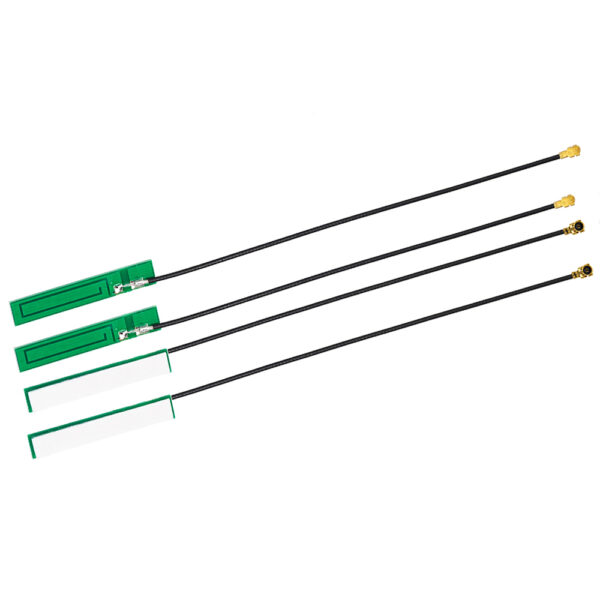
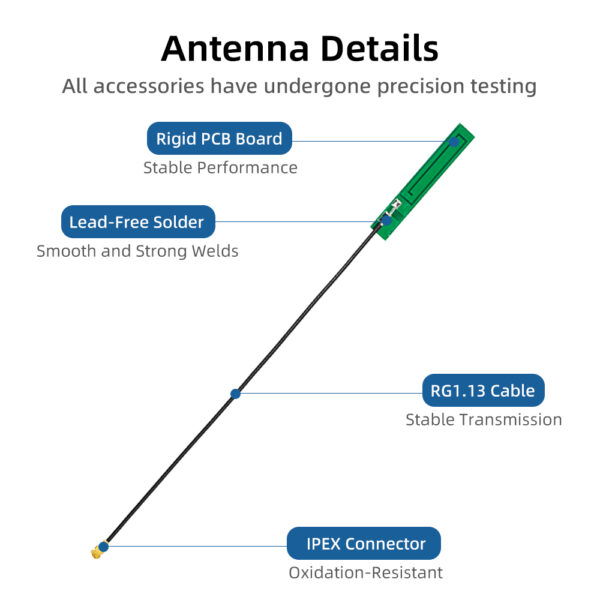
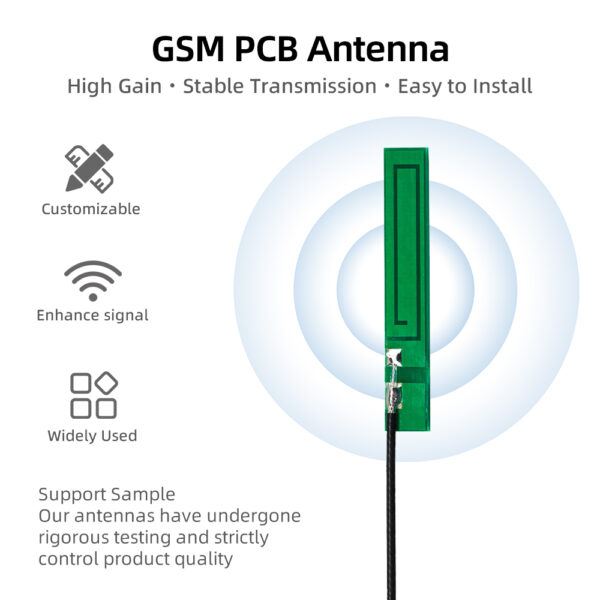
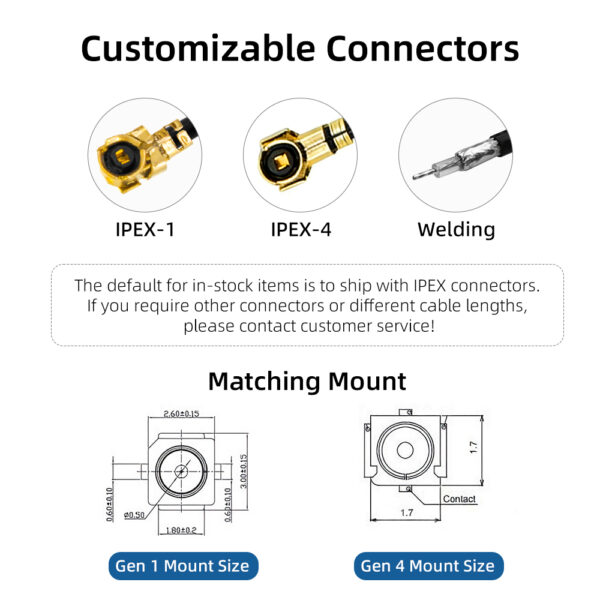
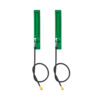
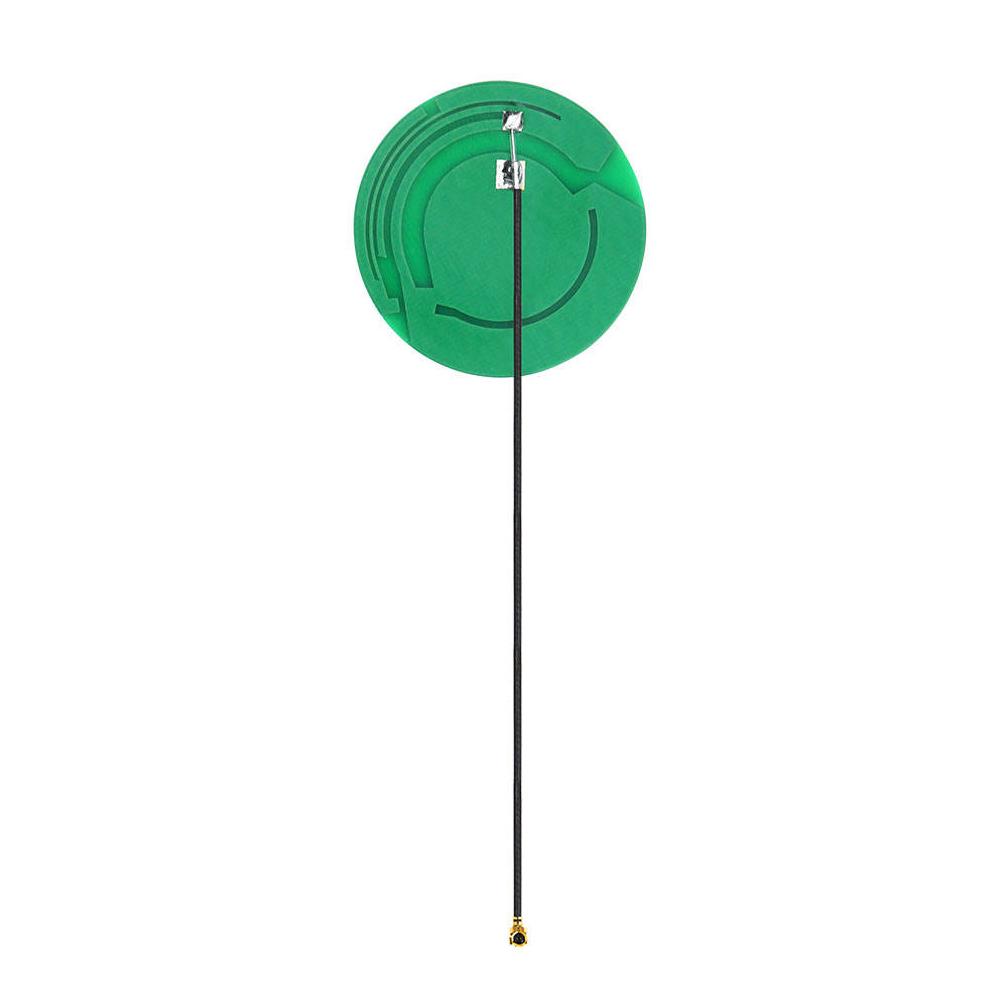
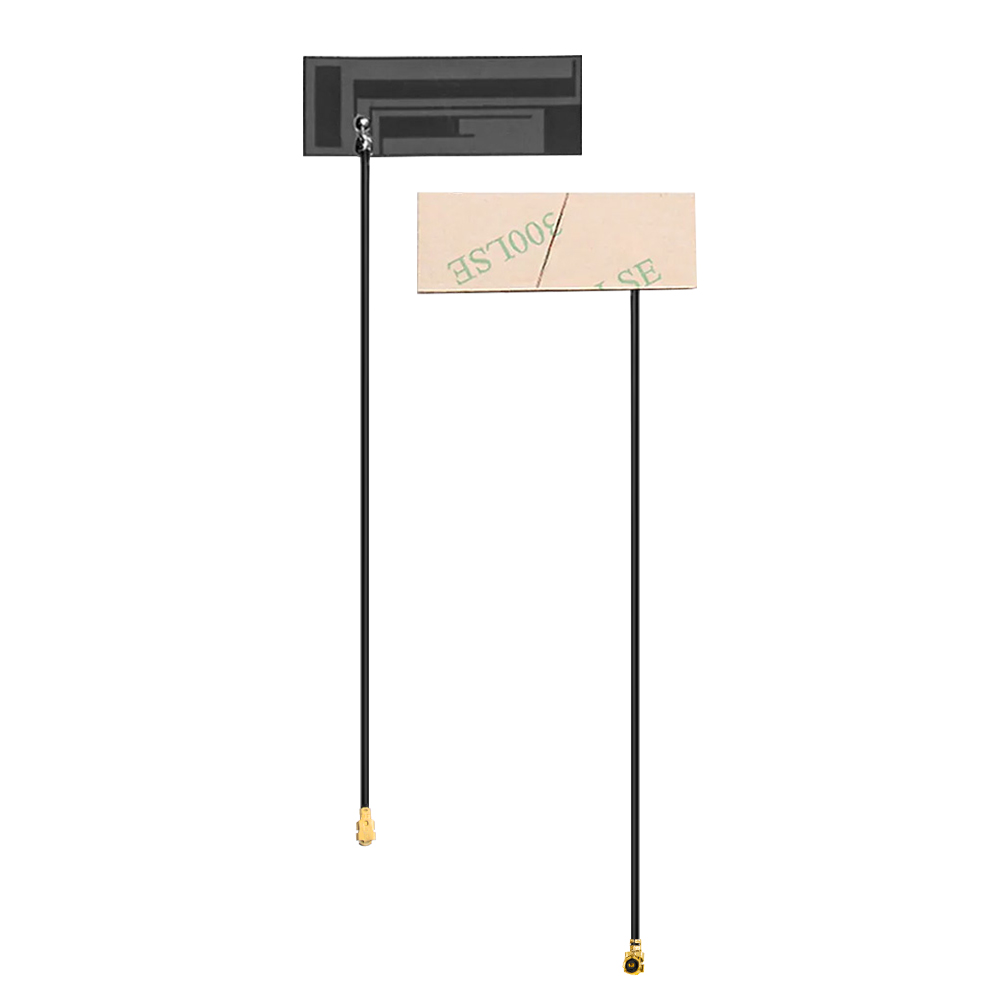
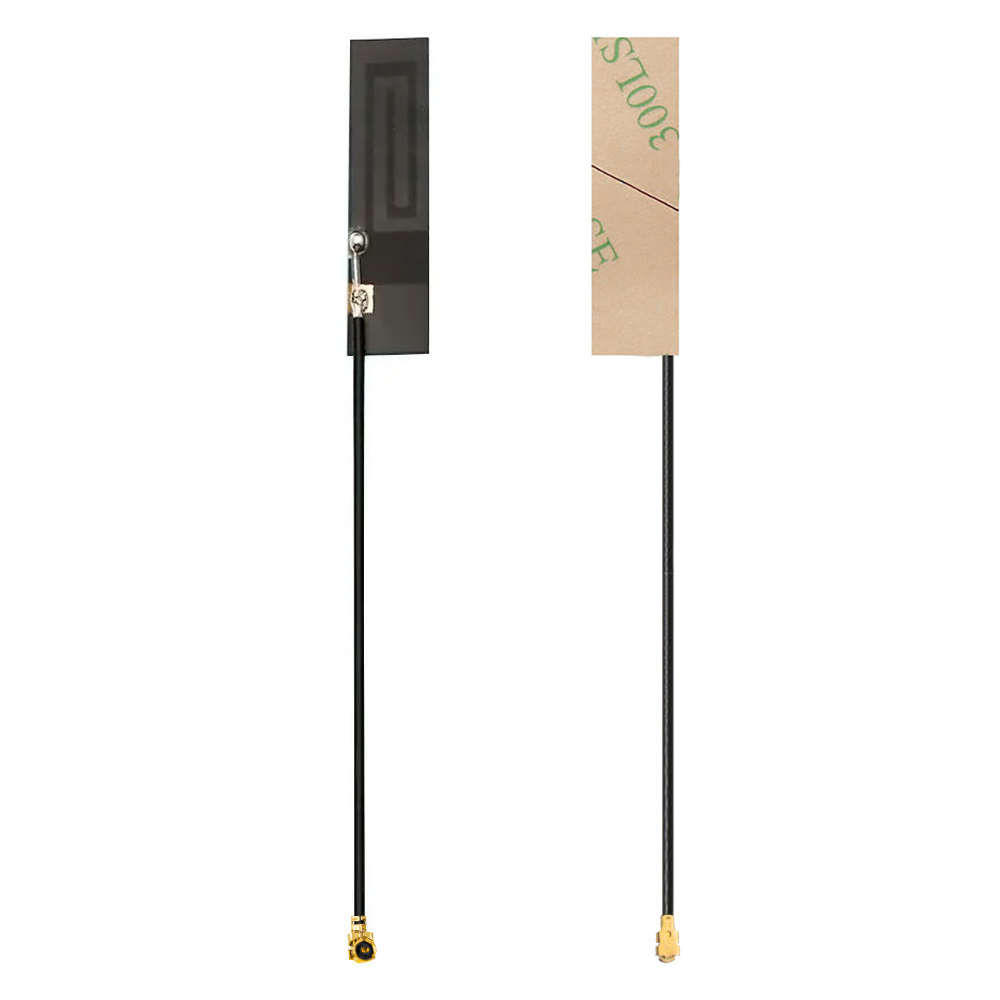
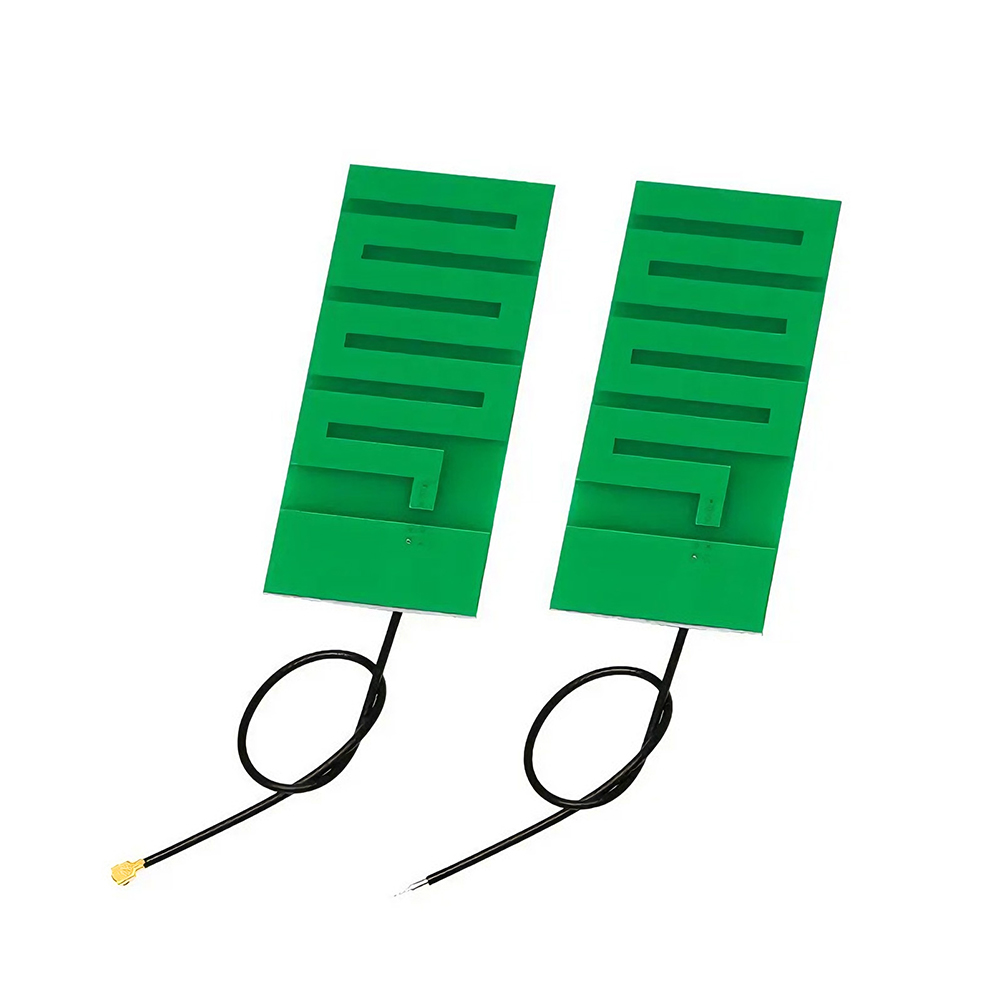
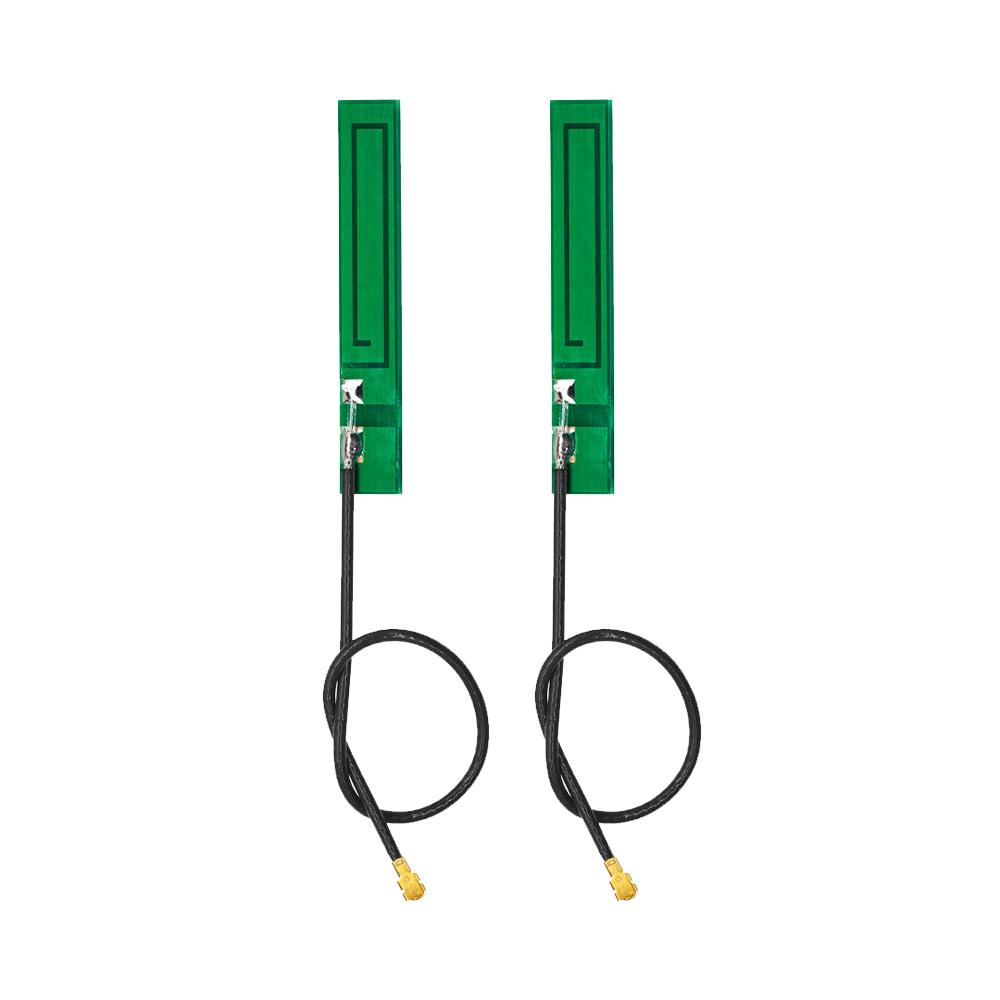
Two factors matter most when choosing this PCB antenna: frequency coverage and the host PCB layout. Its lower tuning range supports LTE Band 20, which helps devices maintain 800 MHz coverage in rural areas and inside buildings. The host PCB also acts as part of the radiator, so battery placement, nearby metal and the finished enclosure can all affect performance. A slotted copper trace builds the matching structure into the antenna, avoiding extra components while keeping the design compact, although the bandwidth remains limited by the layout. This GSM PCB antenna is intended for embedded devices and cellular IoT nodes rather than fixed gateways, which usually need an external antenna for greater coverage. We can customise the connector, coaxial cable and low-band tuning to suit your design. Devices that require a wider upper-frequency range or additional bands will need a different layout, so it is worth confirming the modem bands and enclosure details before choosing a GSM built-in antenna or other internal PCB antenna.
| Type | GSM PCB Antenna | Antenna Gain | 3dBi |
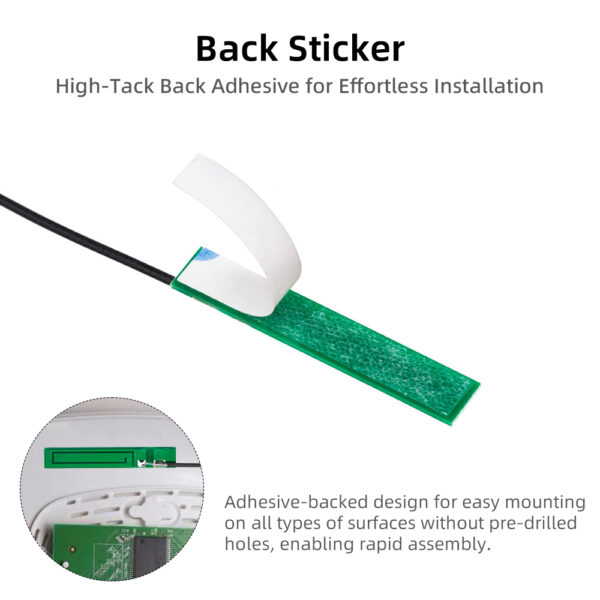
| Installation | BASE MOUNT | Connector Type | U.FL/ MHF-I |
| Model Number | FS-PCB-008 | Brand Name | Feisheng/OEM |
| Place of Origin | Guangdong, China | Polarization | Vertical |
| Maximum input power | 5w | Material | PCB |
| Input impedance | 50Ω | VSWR | ≤1.5 |
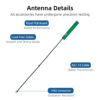
| Size | 50*8mm | Delivery | We will check with forwarder for cheapest way for you |
LTE Band 20 Devices in Europe-The 800 MHz version is a better fit for devices using European LTE Band 20, which operates at 791–821 MHz for downlink and 832–862 MHz for uplink. Its lower frequency also helps maintain coverage in rural areas and inside buildings. This PCB antenna suits cellular trackers, smart meters and remote monitoring units that rely on Band 20. For devices focused mainly on GSM 900, the 850 MHz version may be a better choice because tuning lower can affect the upper-frequency response. We offer both layouts to match different band requirements.
Compact Cellular Devices-The slotted copper trace builds the matching structure into the antenna itself, using its length and spacing to set the two resonant frequencies. This avoids extra matching components and keeps assembly straightforward, which is useful in wireless terminals, smart meters and tracking devices. The compact design does have a bandwidth trade-off, especially at the lower end. When choosing a GSM PCB antenna, check its VSWR across the required bands rather than relying on the centre-frequency figure alone.
GSM and LTE Devices on 1800/1900 MHz-The 1710–1990 MHz window covers GSM 1800/1900 and LTE Bands 3 and 2, making this antenna suitable for cellular terminals, IoT gateways and connected equipment using these bands. It does not support LTE Band 1 (2100 MHz) or Band 7 (2600 MHz). If your device needs either band, we can discuss a wider-band design to match its modem and target markets.
Embedded Antennas in Compact Enclosures-Smart meters, tracking devices and industrial controllers often leave little room for an antenna. At 800 MHz, the host PCB ground plane has a strong influence on performance, while batteries, display cables and metal chassis parts can affect matching and efficiency. This internal PCB antenna works best with a continuous ground area and sufficient clearance from nearby metal. Check its performance in the assembled device, with the battery and enclosure in place, rather than relying only on bare-board test results.
Cellular IoT and Remote Monitoring Devices-This compact GSM built-in antenna fits cellular IoT nodes, remote monitoring units and other devices that need an antenna inside a plastic enclosure. Although its low-frequency range overlaps with parts of the 868 MHz and 915 MHz LoRa bands, that alone does not guarantee suitable LoRaWAN performance. Fixed gateways generally use external whip or fibreglass omnidirectional antennas for better placement and coverage. For compact end devices, this design offers an alternative when space for an external antenna is limited.
Q1. Does this PCB antenna support LTE Band 20?
Yes. Its low-frequency range starts at around 791 MHz, covering LTE Band 20 (791–821 MHz downlink, 832–862 MHz uplink). This makes it a good fit for European cellular devices that need 800 MHz coverage, including trackers and smart meters.
Q2. What is the difference between the 800 MHz and 850 MHz versions?
They use different tuning ranges. The 850 MHz model covers approximately 824–894 MHz and works well for GSM 850/900 applications. The 800 MHz version shifts the lower end down to cover LTE Band 20, with a trade-off at the upper end. If your device mainly uses GSM 900, the 850 MHz model may be a better choice.
Q3. Does this GSM PCB antenna support LTE Band 1 (2100 MHz)?
No. The upper range stops at around 1990 MHz, covering GSM 1800/1900 and LTE Bands 2 and 3. Band 1 (2100 MHz) and Band 7 (2600 MHz) fall outside its coverage. If you need either band, we can discuss a wider-band PCB antenna design.
Q4. Can I use this antenna with a LoRaWAN gateway?
Its low-frequency range overlaps with the 868 MHz and 915 MHz LoRa bands, but this compact internal PCB antenna is designed for embedded devices and end nodes. Fixed gateways usually need an external whip or fibreglass omnidirectional antenna mounted on a mast or rooftop. For a compact LoRaWAN node, this design may work if its RF performance meets your requirements.
Sales: nora@fs-sz.com
Technical Support:jason@fs-sz.com
Sales :+86-13316864973
Technical Support :
+86-13683276589
+86-13427976189
+86-0755-85223189