




Scroll to Top
Share to:
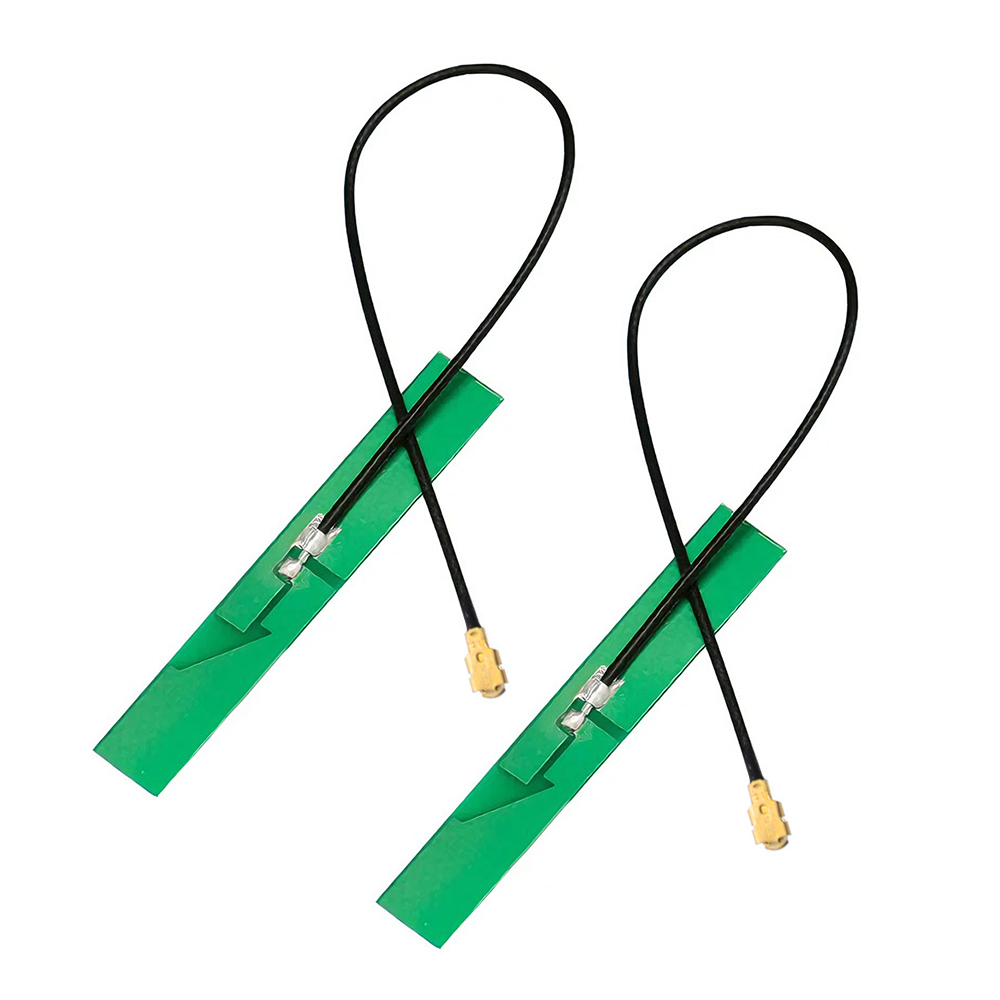
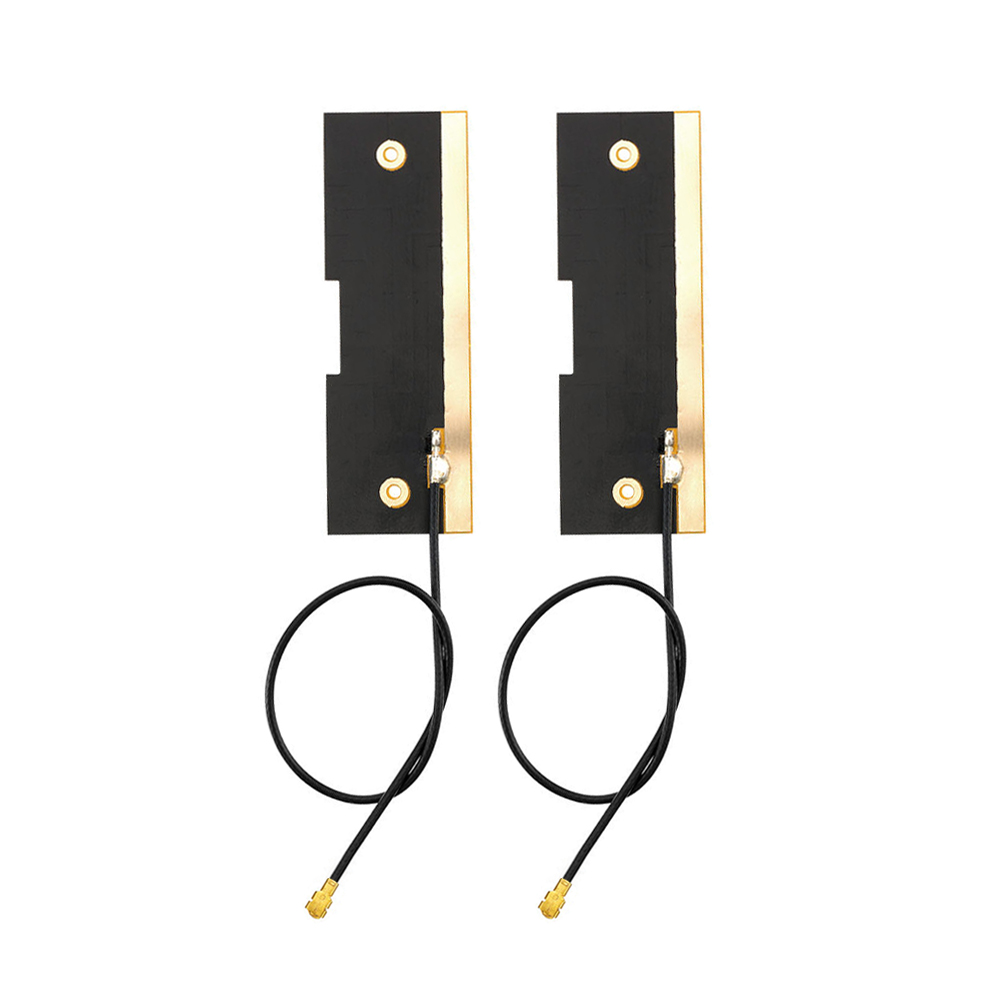
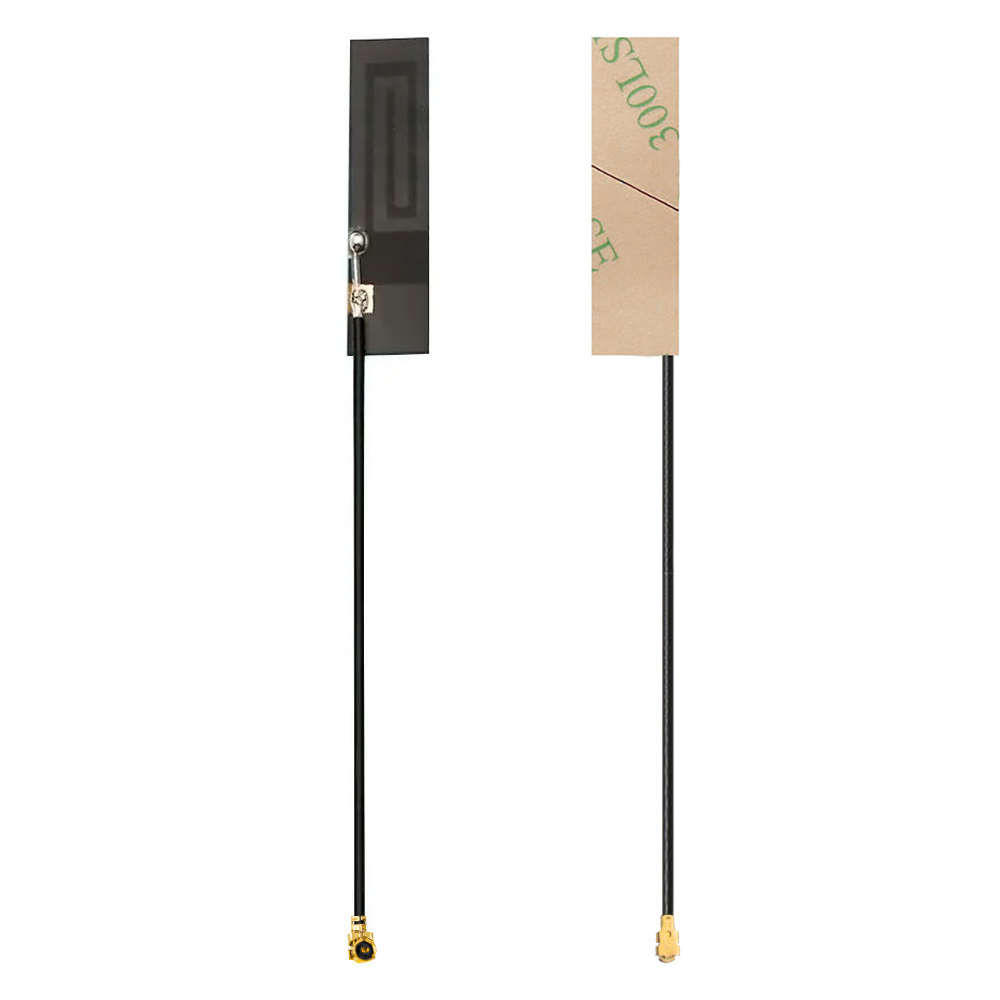
Wideband FPC Antenna for Industrial Router and Gateway
Product features:
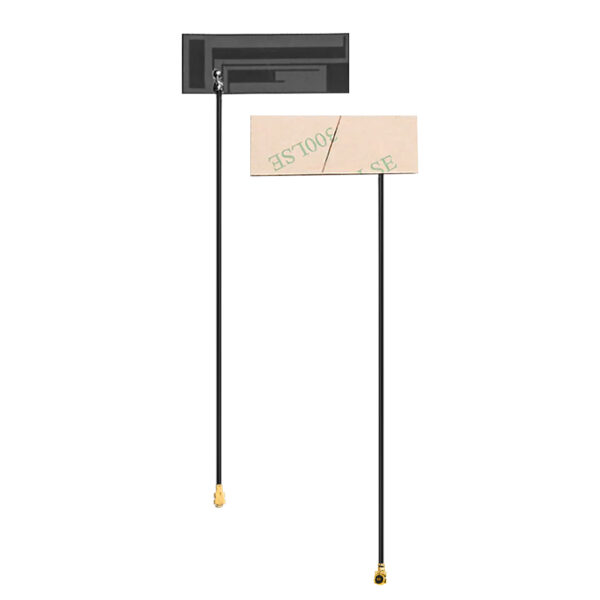
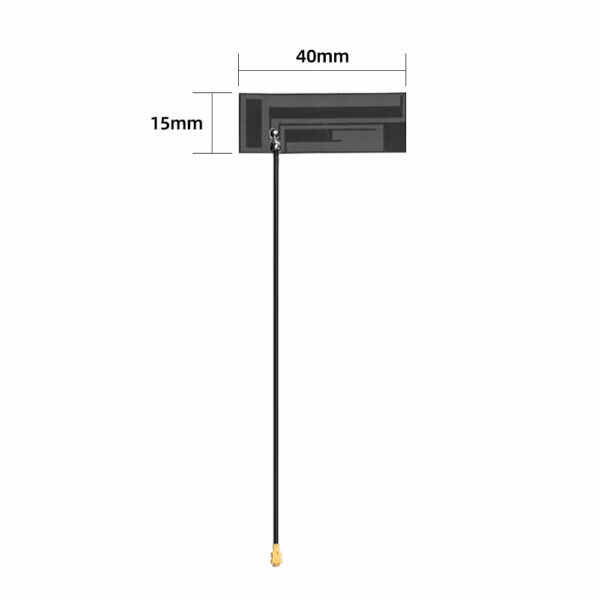
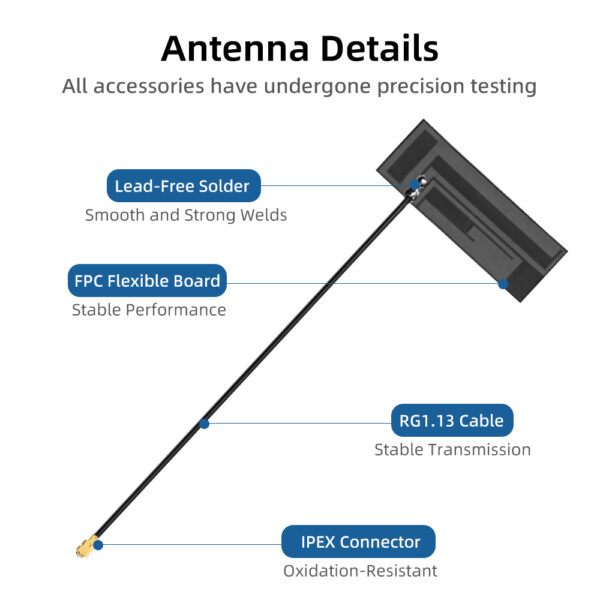
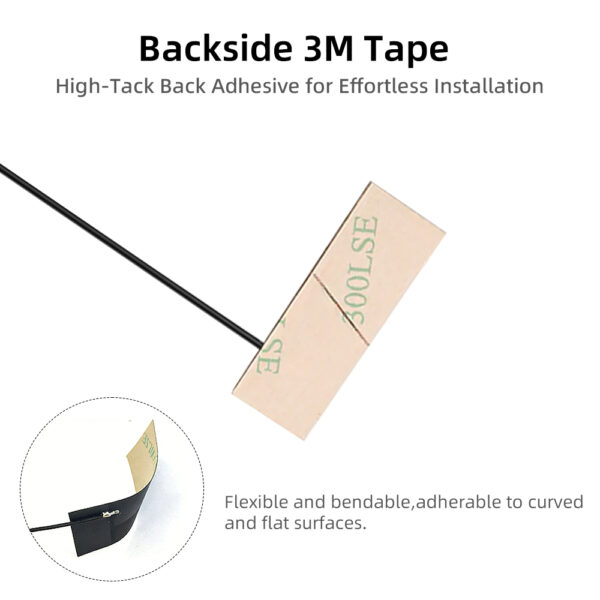
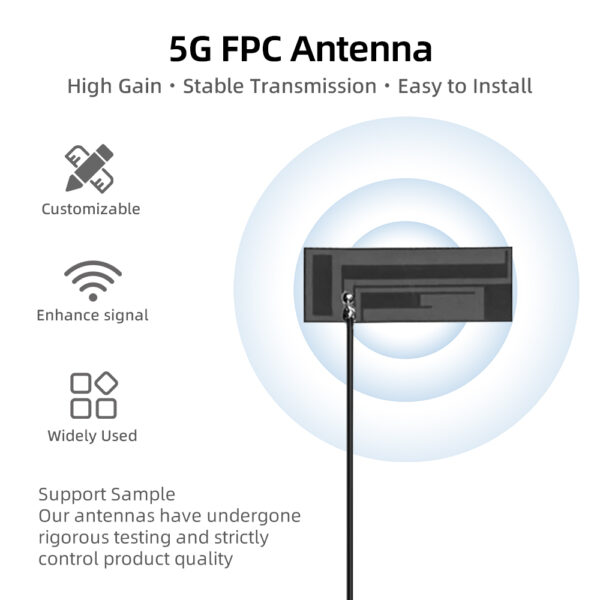
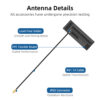
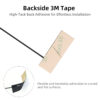
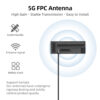
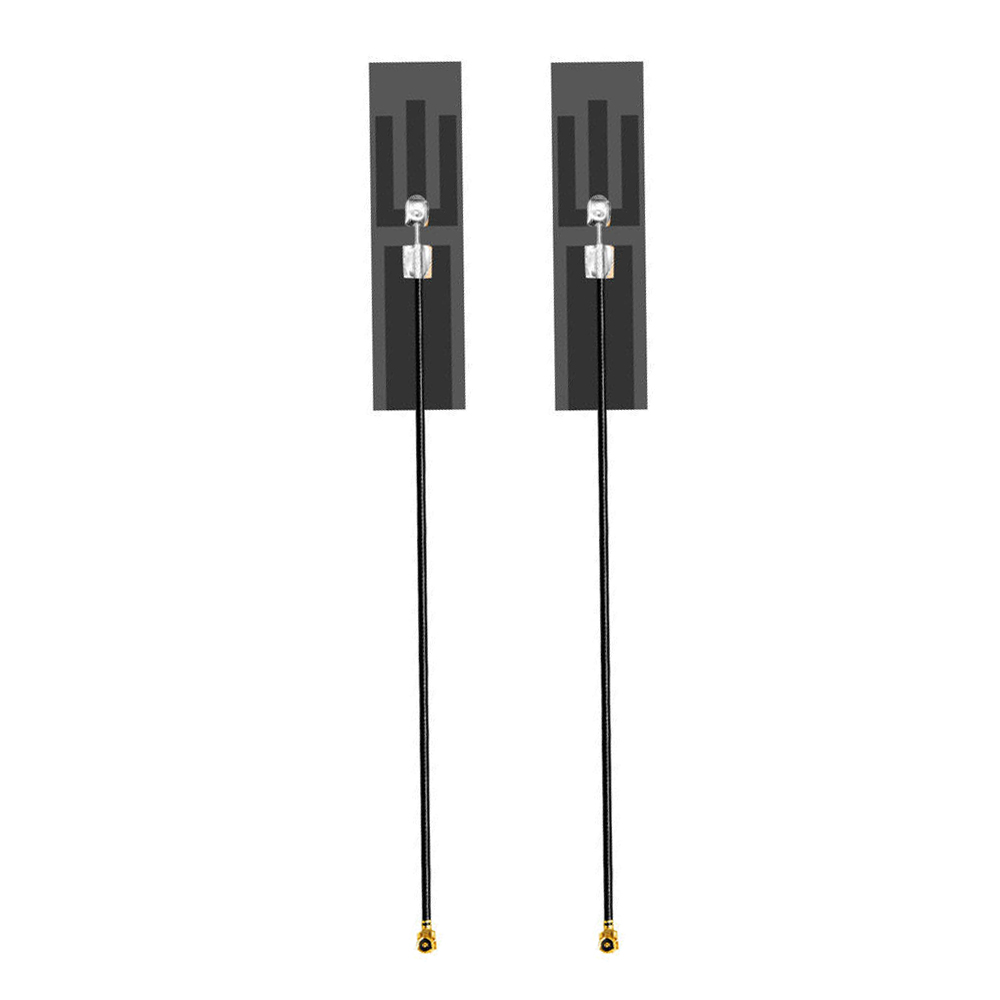
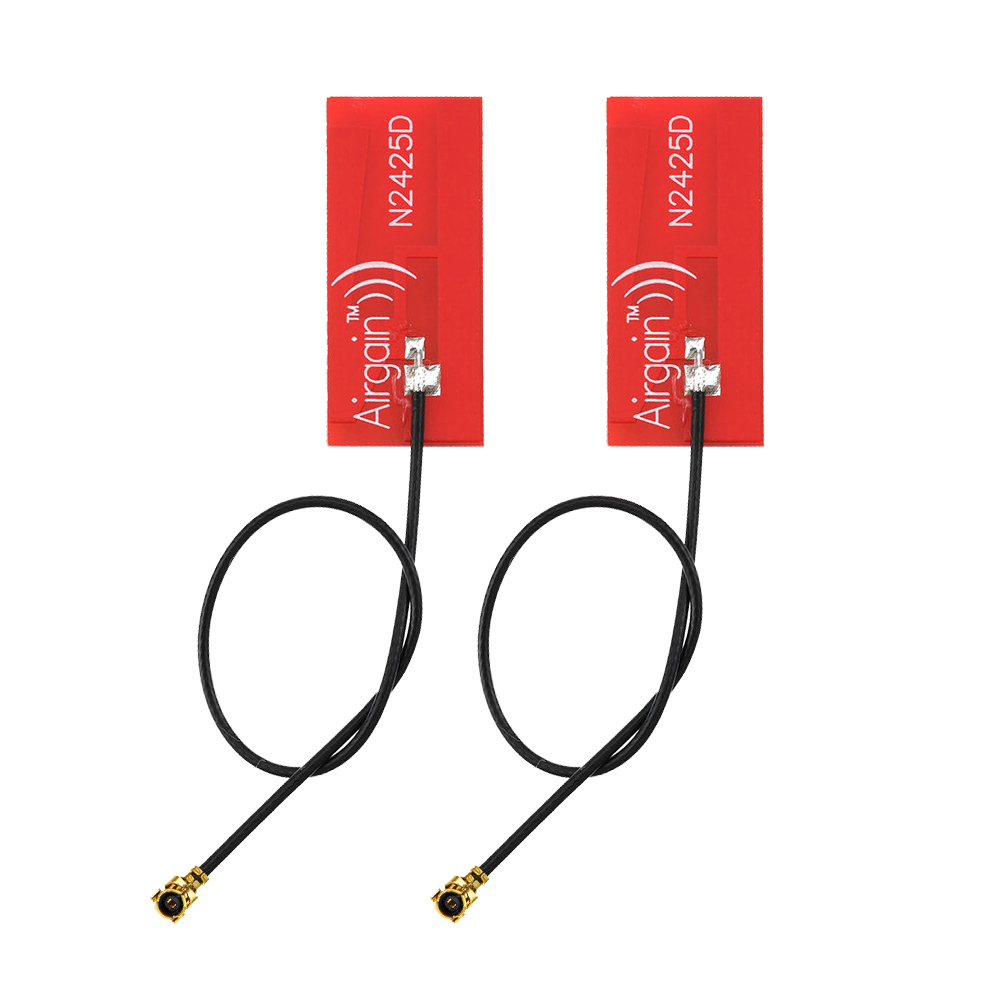
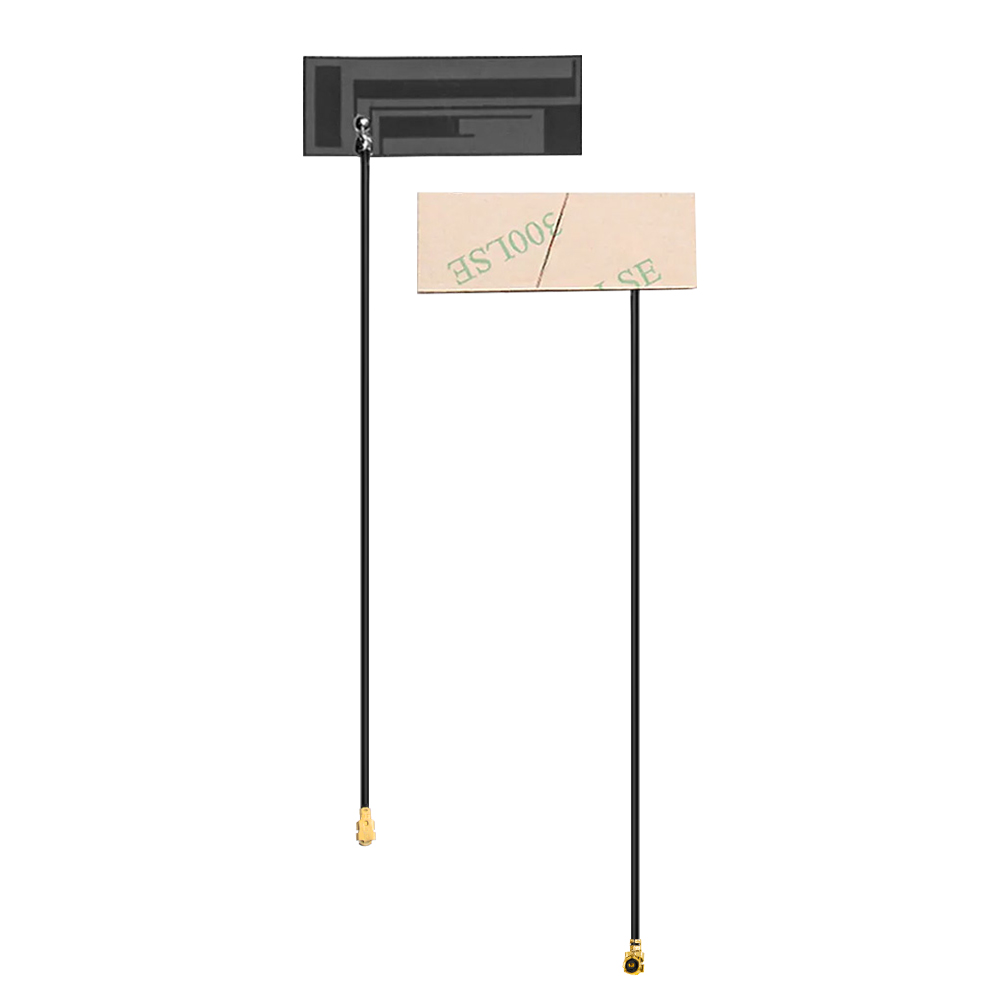
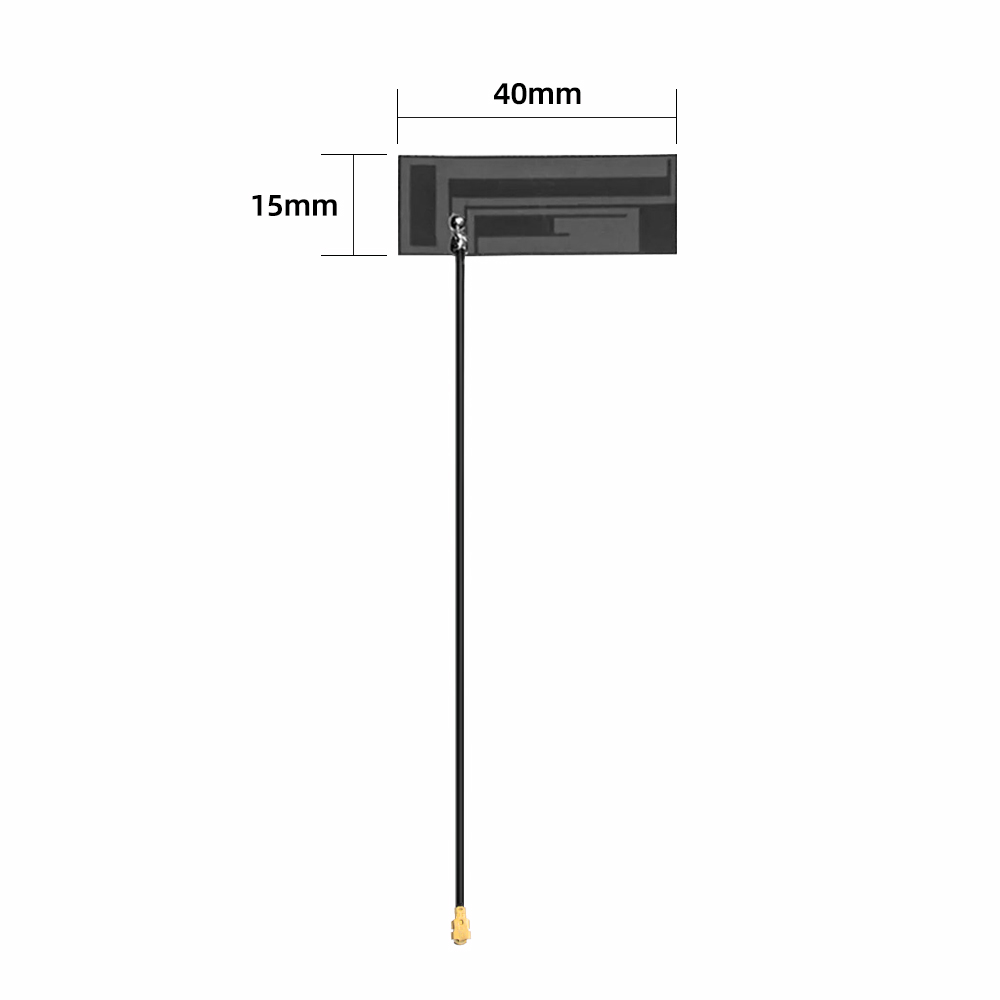
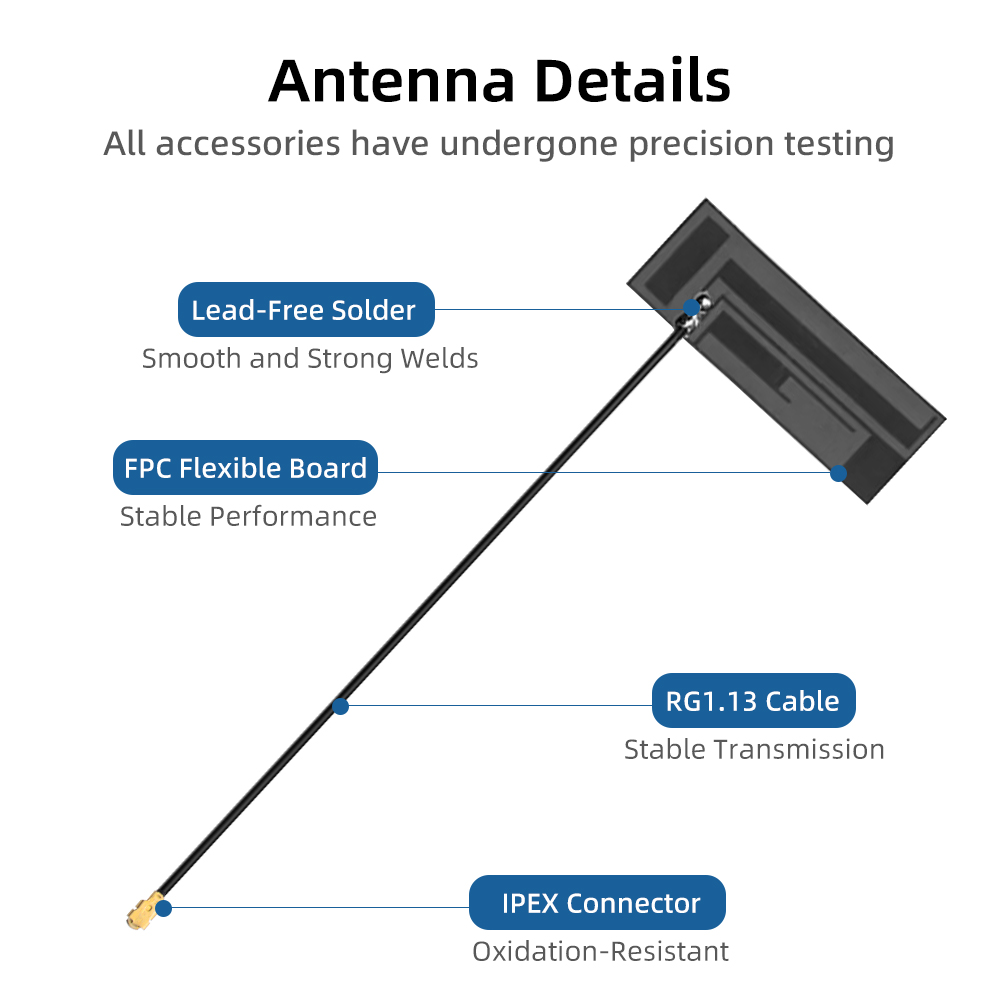
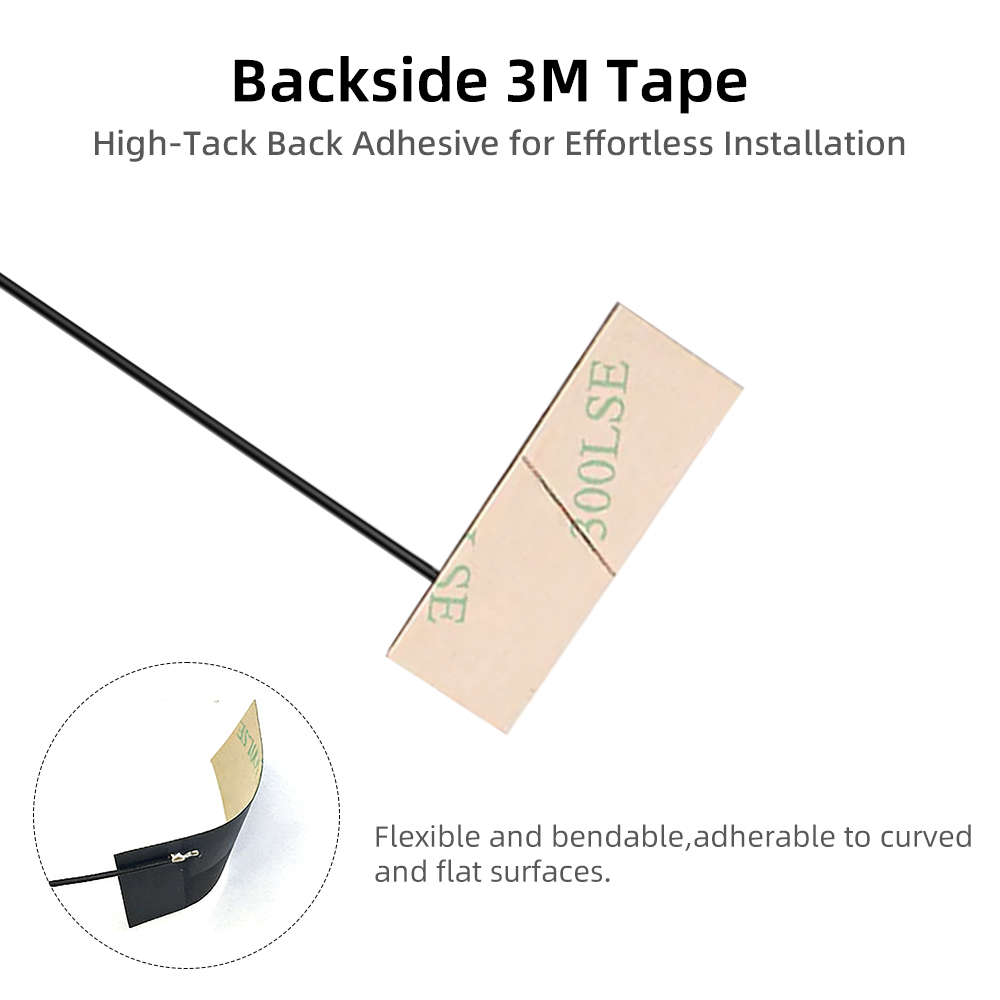
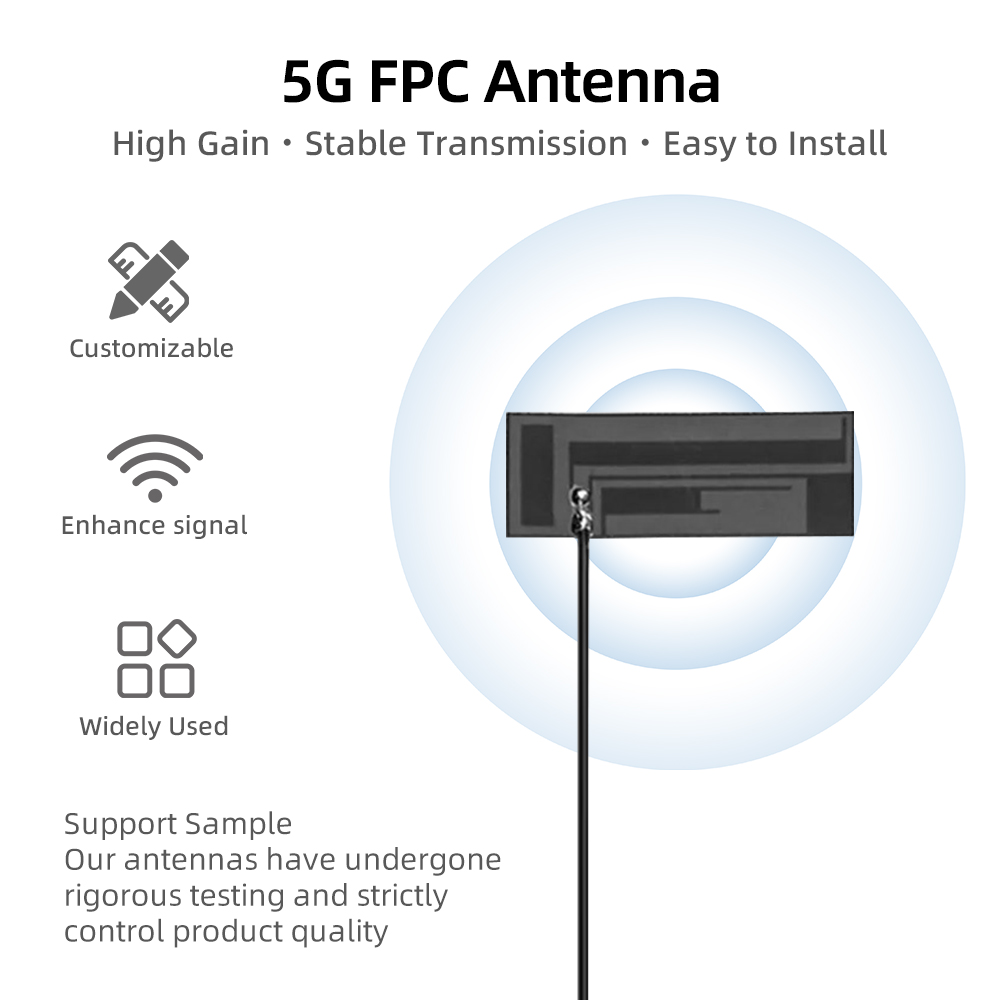
A wideband FPC antenna can cover several cellular and WiFi bands in one compact design, reducing the need for separate antenna parts. Its performance, however, is not uniform across the full frequency range. Each band has its own tuning characteristics, and lower frequencies are more affected by the available space, host PCB and ground plane. Testing the Internal FPC antenna inside the actual enclosure helps confirm its performance before finalizing the design. We can customize the copper pattern, adhesive and cable connection to suit your device, with socket and direct-solder options available. This flexible FPC antenna fits into tight spaces without adding an external antenna. As with any Flexible antenna, its performance depends on the design and installation, not simply its size or flexibility.
| Type | 5G FPC Antenna | Antenna Gain | 3dBi |
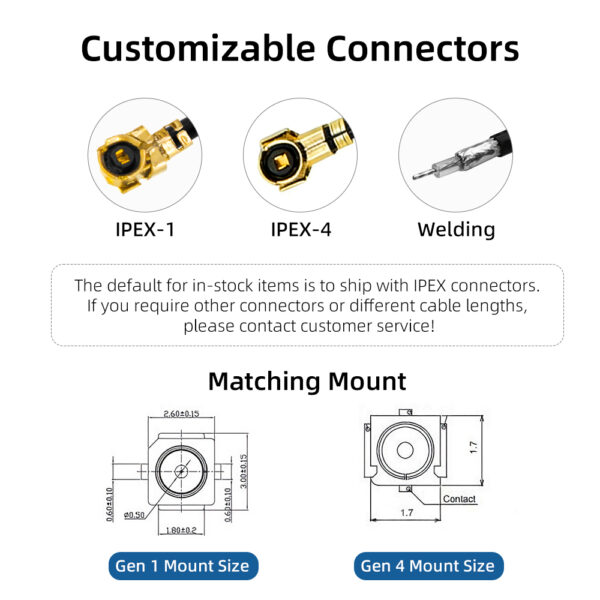
| Installation | BASE MOUNT | Connector Type | U.FL/ MHF-I |
| Model Number | FS-FPC007 | Brand Name | Feisheng/OEM |
| Place of Origin | Guangdong, China | Maximum input power | 5w |
| Antenna Frequency | 600-6000MHz | Material | FPC |
| Input impedance | 50Ω | VSWR | ≤1.5 |
5G CPE and Fixed Wireless Access Gateways-Indoor 5G CPE and fixed wireless access gateways often use multiple antenna elements for MIMO. A compact FPC antenna fits inside the plastic housing without adding external antennas. When arranging several elements, leave enough space between them and account for the PCB and nearby components. Test the layout in the finished enclosure to check RF performance.
Industrial 5G Routers and DTUs-Industrial routers and DTUs often use metal enclosures that block cellular signals. A Flexible antenna can fit inside a plastic end cap or non-metallic cabinet door, with its coaxial cable routed to the modem through a suitable opening. This keeps the antenna clear of the metal housing while protecting the main electronics. Make sure the cable length and connector suit the installation.
Payment Terminals and Android POS Devices-Payment terminals and Android POS devices have little room for an antenna. Batteries, displays and printer mechanisms all compete for space, making a slim Internal FPC antenna a useful option. It can follow the inside of the housing without taking up room needed by other components. Test its position in the assembled device, as nearby parts can affect RF performance.
Telematics, MDVR and Dash Cameras-Vehicle telematics units, MDVRs and dash cameras often pack cellular modules into compact housings. A flexible FPC antenna can fit inside a plastic cover, away from the metal chassis. For vehicle use, pay attention to the adhesive’s temperature rating and resistance to vibration, as well as cable routing and strain relief.
Smart Grid and AMI Concentrators-Smart grid and AMI concentrators need dependable wireless connections over long service periods. An internal FPC antenna fits inside the enclosure without adding an external antenna assembly. Adhesive compatibility, laminate durability and operating temperature all matter, particularly in equipment designed for long-term deployment.
Q1. Does this FPC antenna provide continuous coverage from 600 to 6000 MHz?
No. This FPC antenna covers five separate frequency groups rather than the entire 600–6000 MHz range continuously. Performance varies across the bands, so the overall frequency range does not tell the whole story. Ask for the individual band plots to check coverage for your application.
Q2. What gain can I expect at 700 MHz?
Gain at 700 MHz will be below the 3 dBi peak and depends partly on the host PCB and ground plane. With a wideband Flexible antenna, low-frequency performance can be more limited by the available space. The measured gain in your actual device will give you a more useful reference.
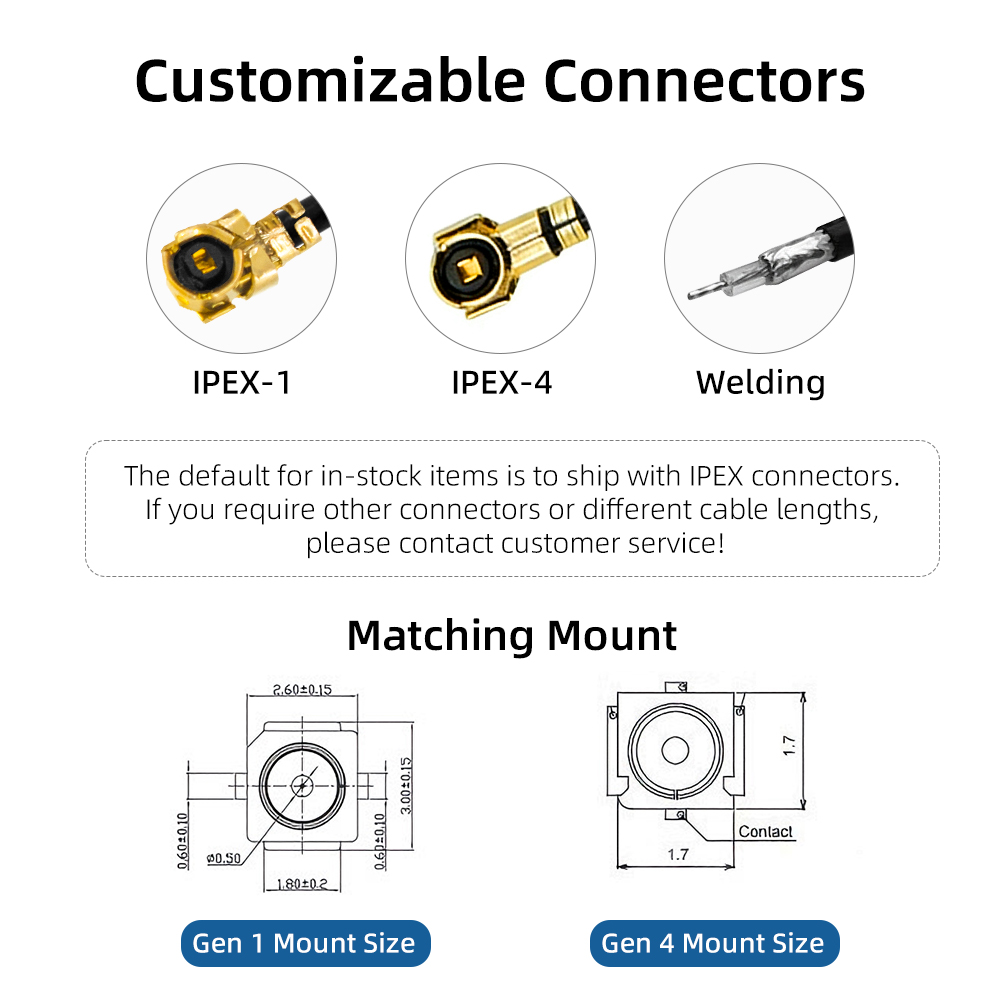
Q3. Do I need an IPEX-1 or IPEX-4 connector?
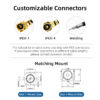
Check your module datasheet before choosing. IPEX-1 and IPEX-4 have different mating dimensions and are not interchangeable. This version uses IPEX-1 as standard. If you are unsure which connector fits, send us your module model or connector drawing.
Q4. What coaxial cable length should I choose?
Keep the cable long enough to reach the RF port without unnecessary slack or tight bends. The 1.13 mm coax used with this flexible FPC antenna has limited space requirements, but longer cables introduce more signal loss, especially at higher frequencies. Share your cable routing requirements so we can suggest a suitable length.
Sales: nora@fs-sz.com
Technical Support:jason@fs-sz.com
Sales :+86-13316864973
Technical Support :
+86-13683276589
+86-13427976189
+86-0755-85223189