




Scroll to Top
Share to:
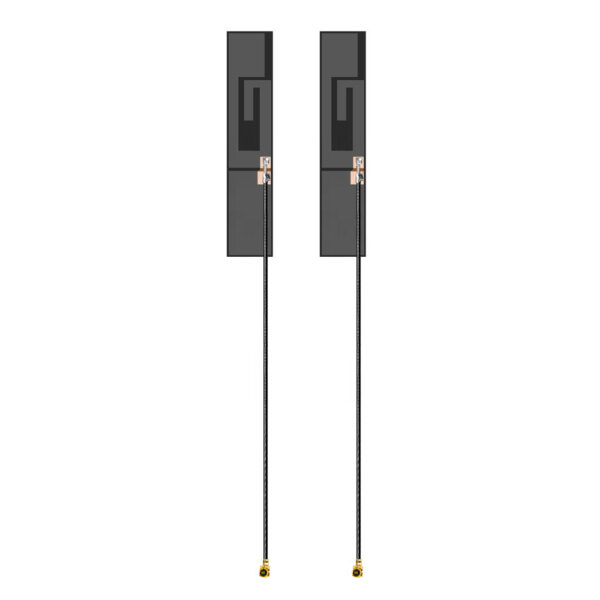
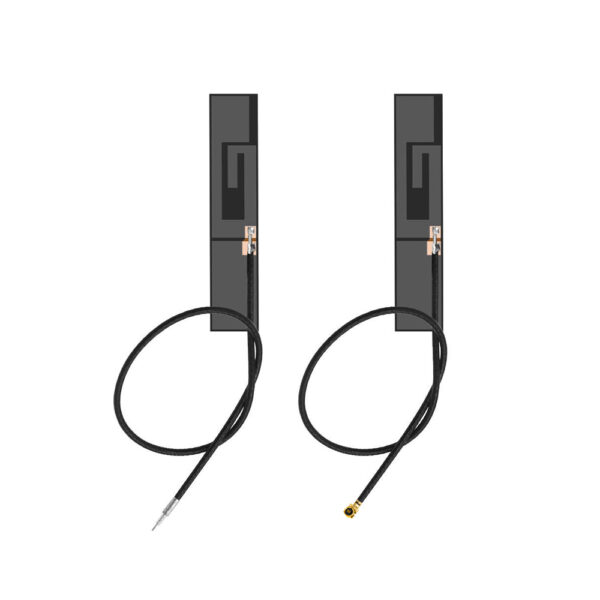
Flexible Internal Antenna for Vehicle Tracker Case
Product features:
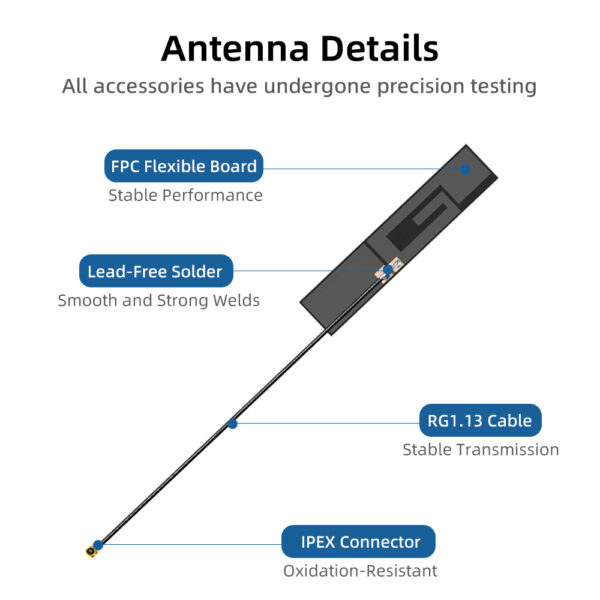
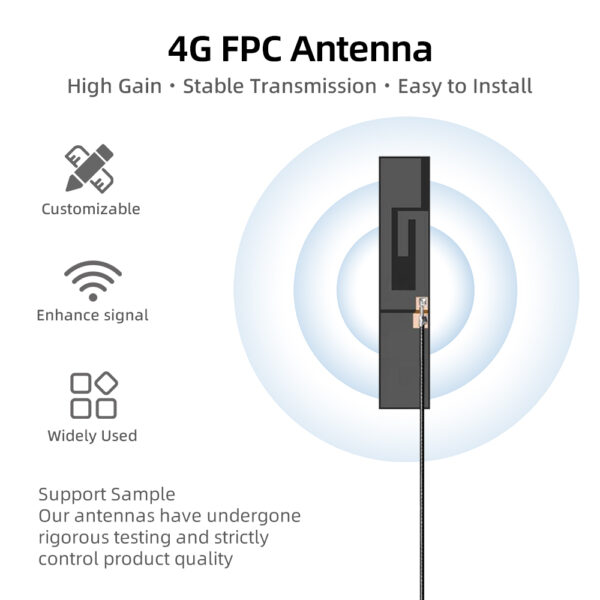
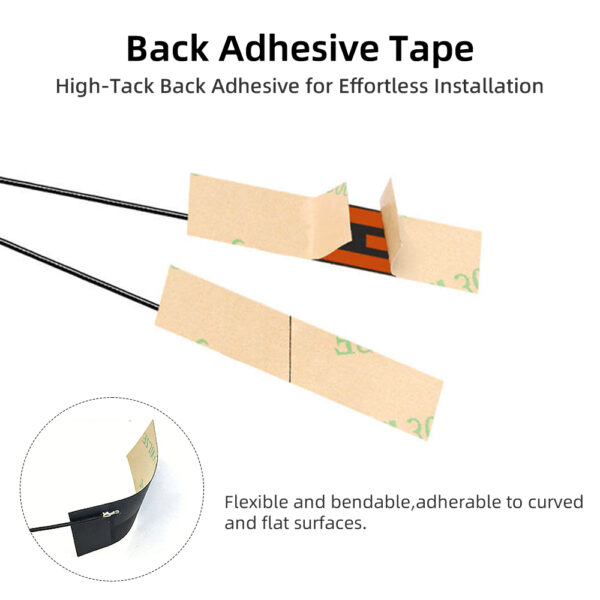
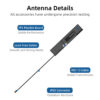
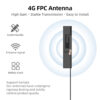
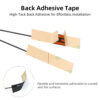
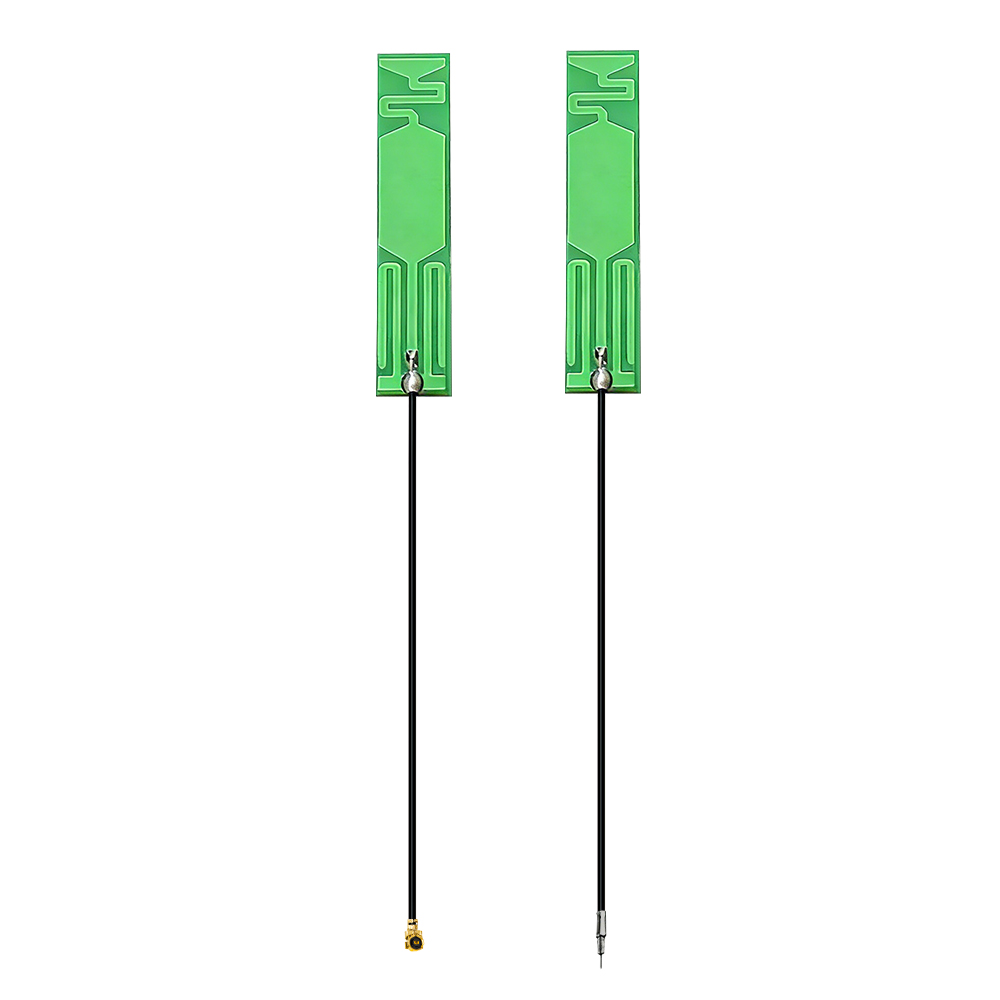
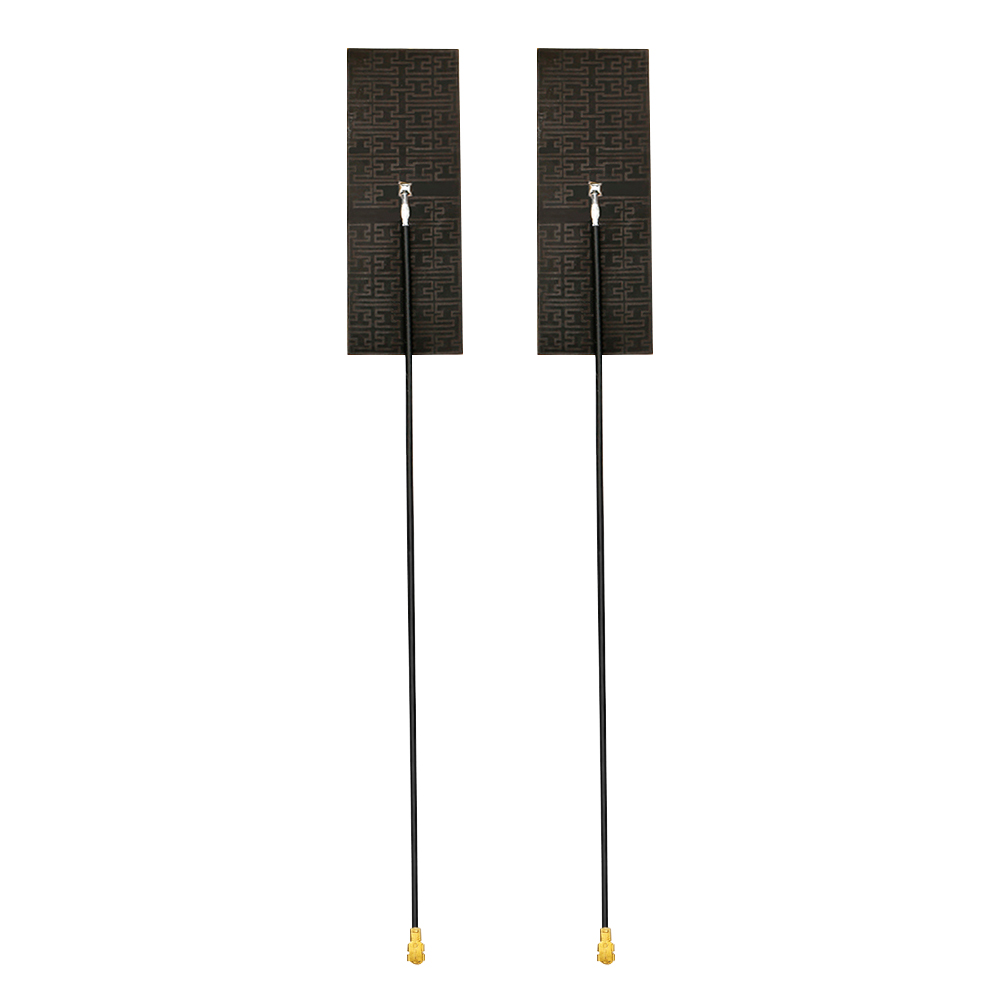
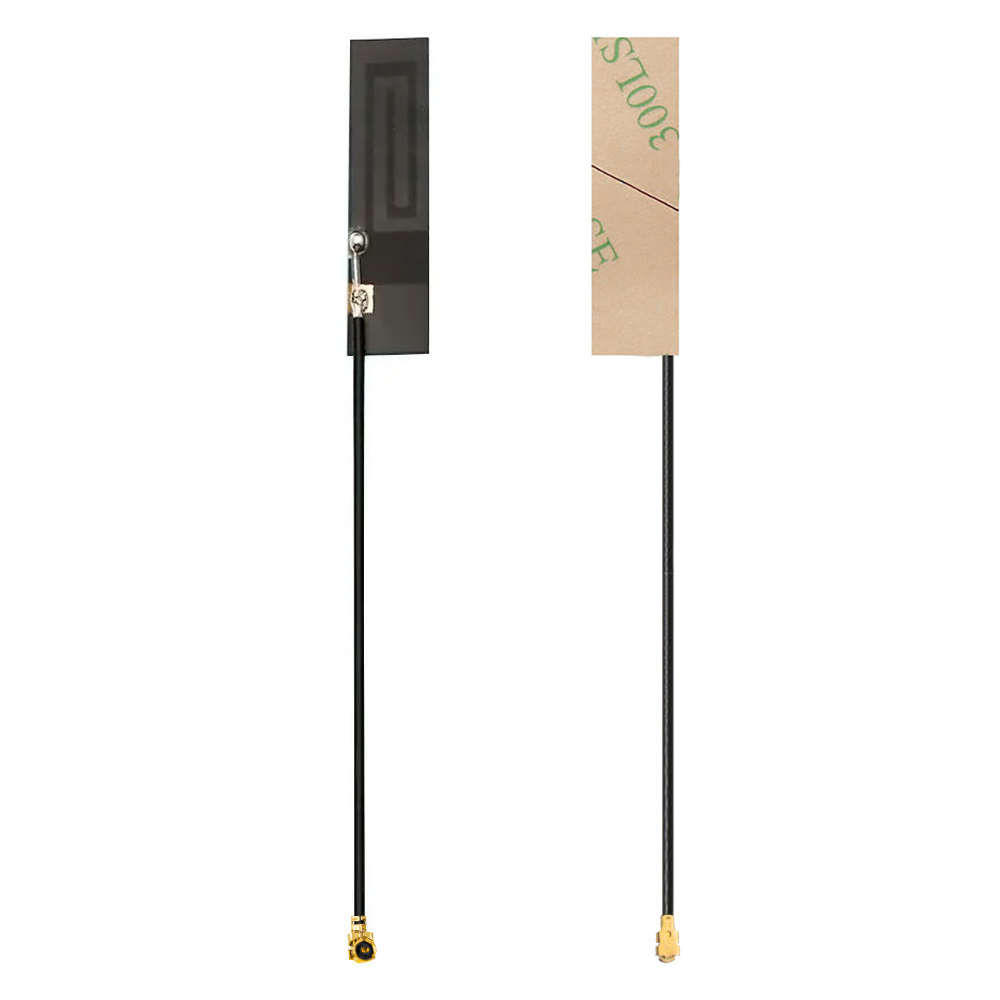
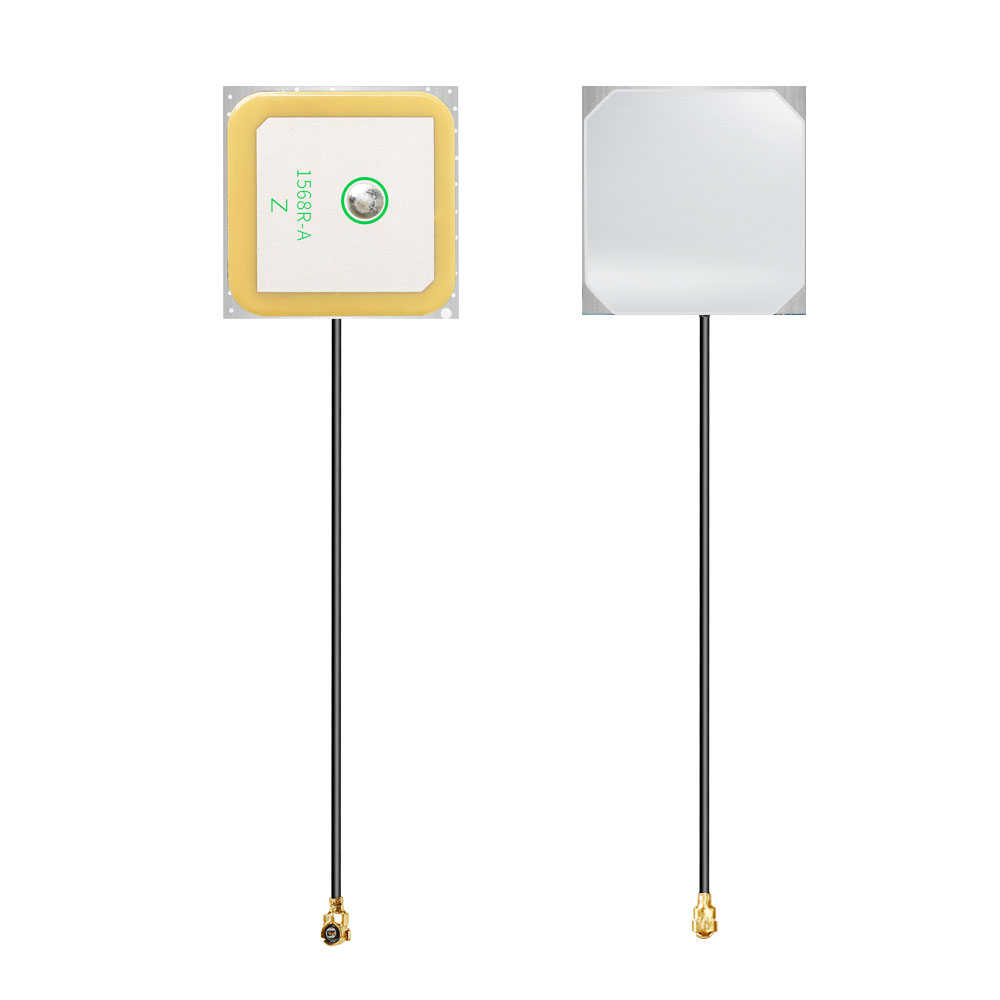
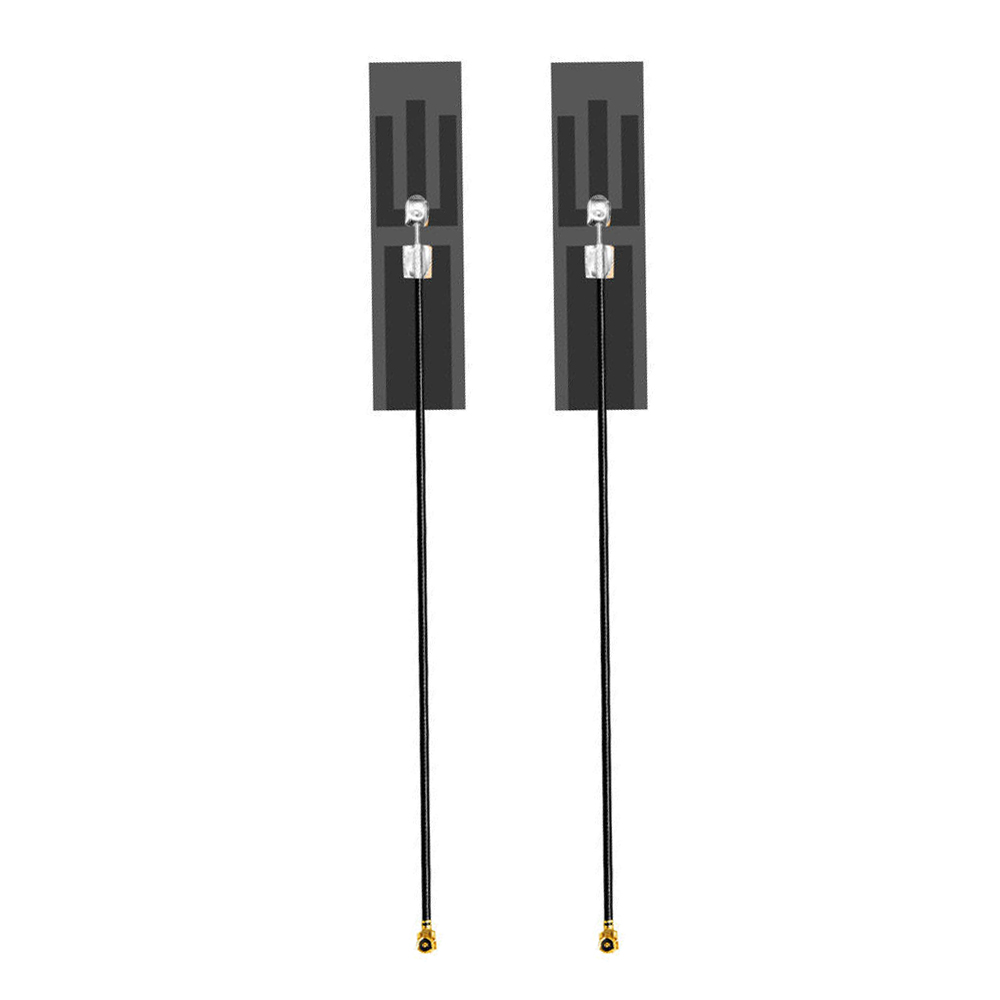
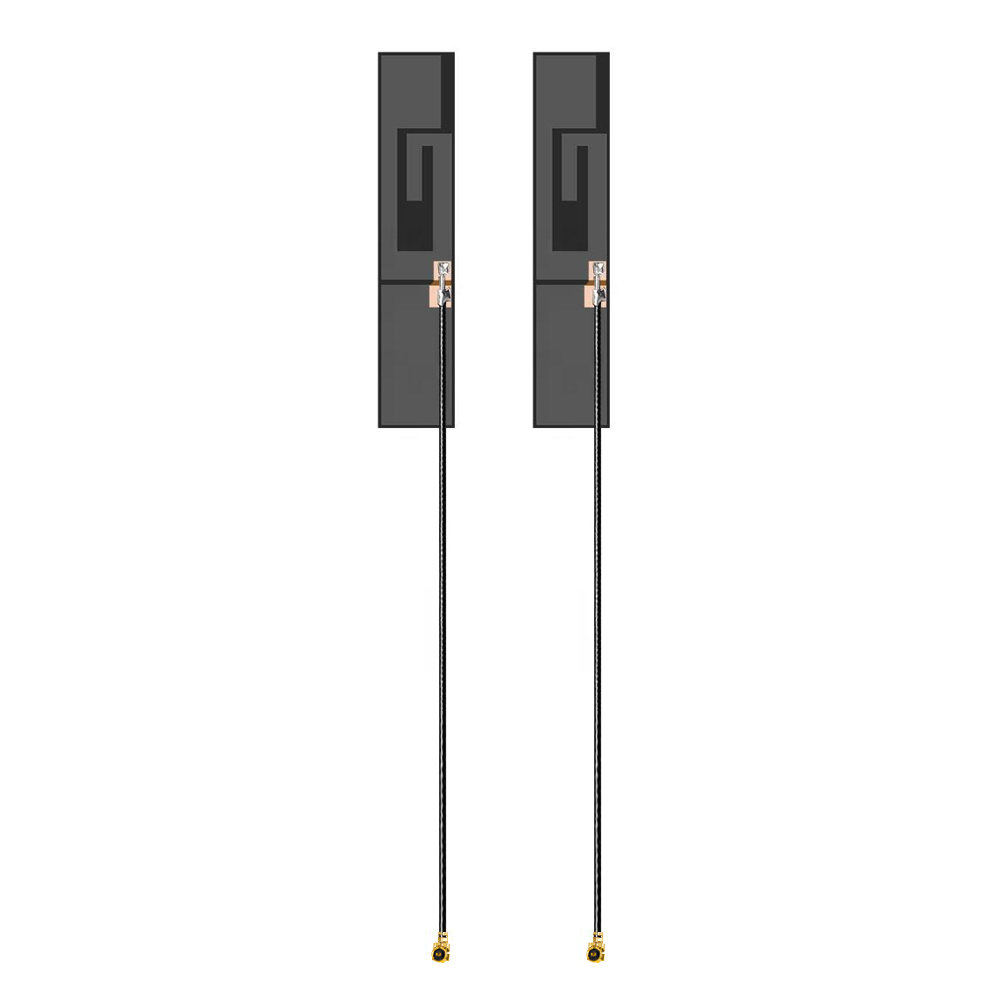
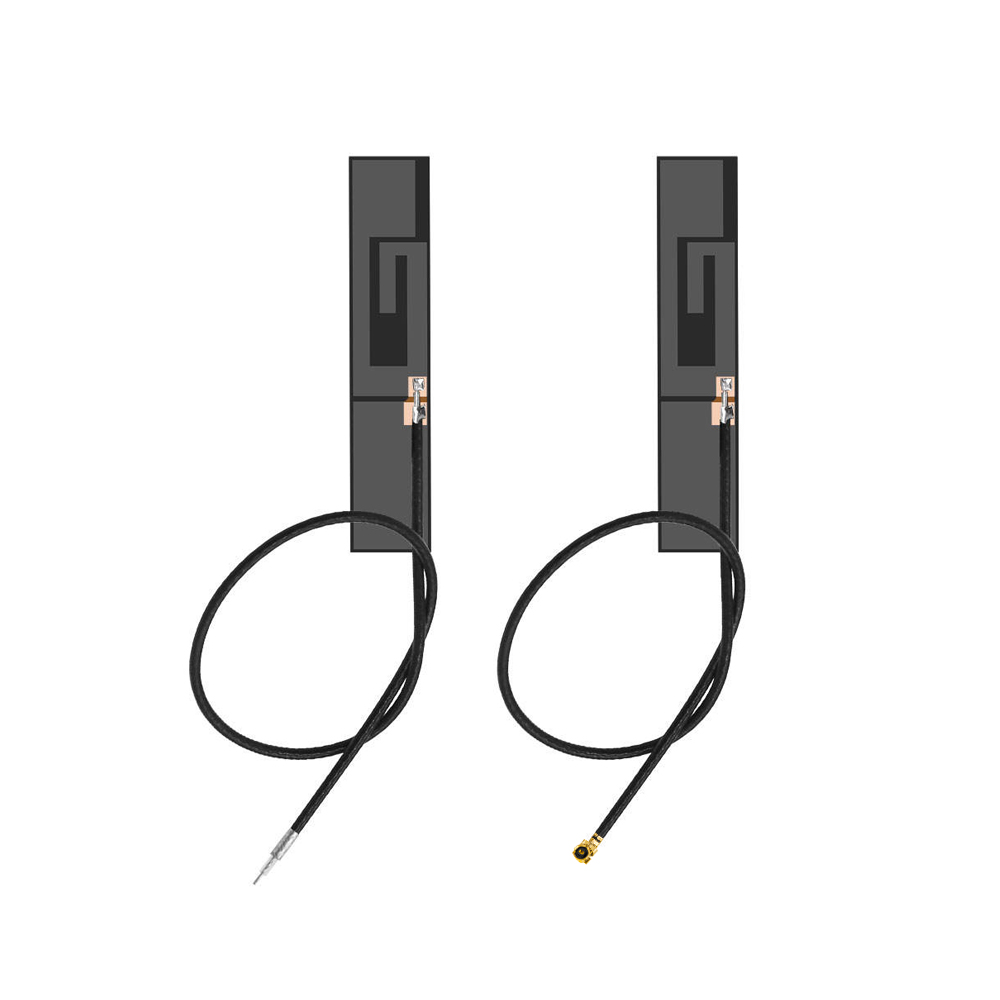
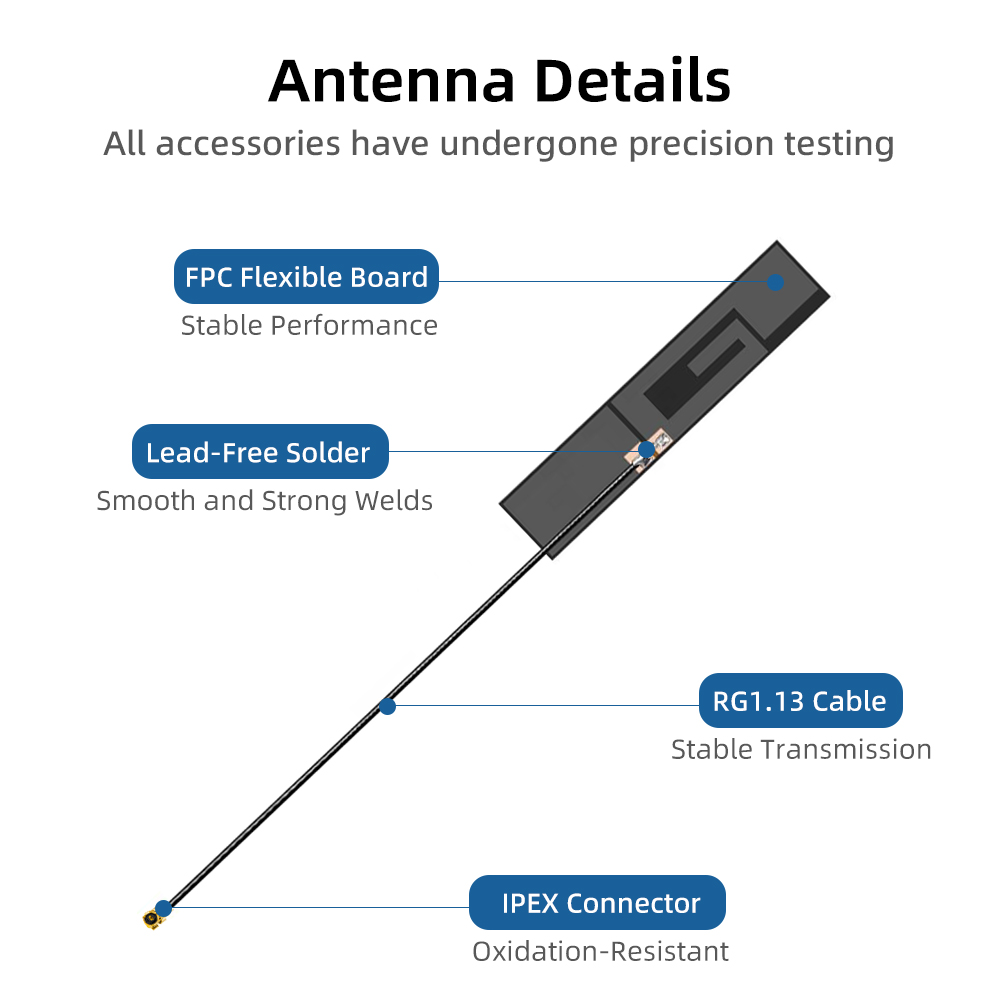
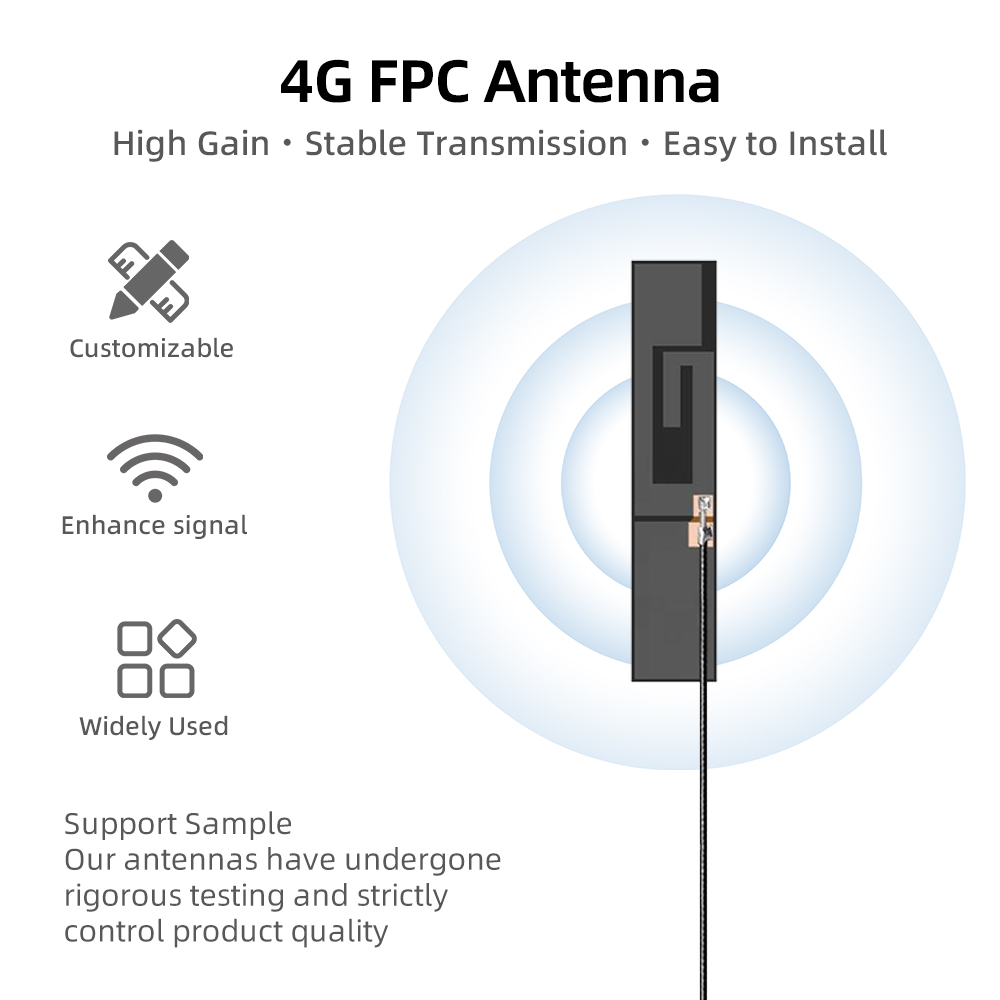
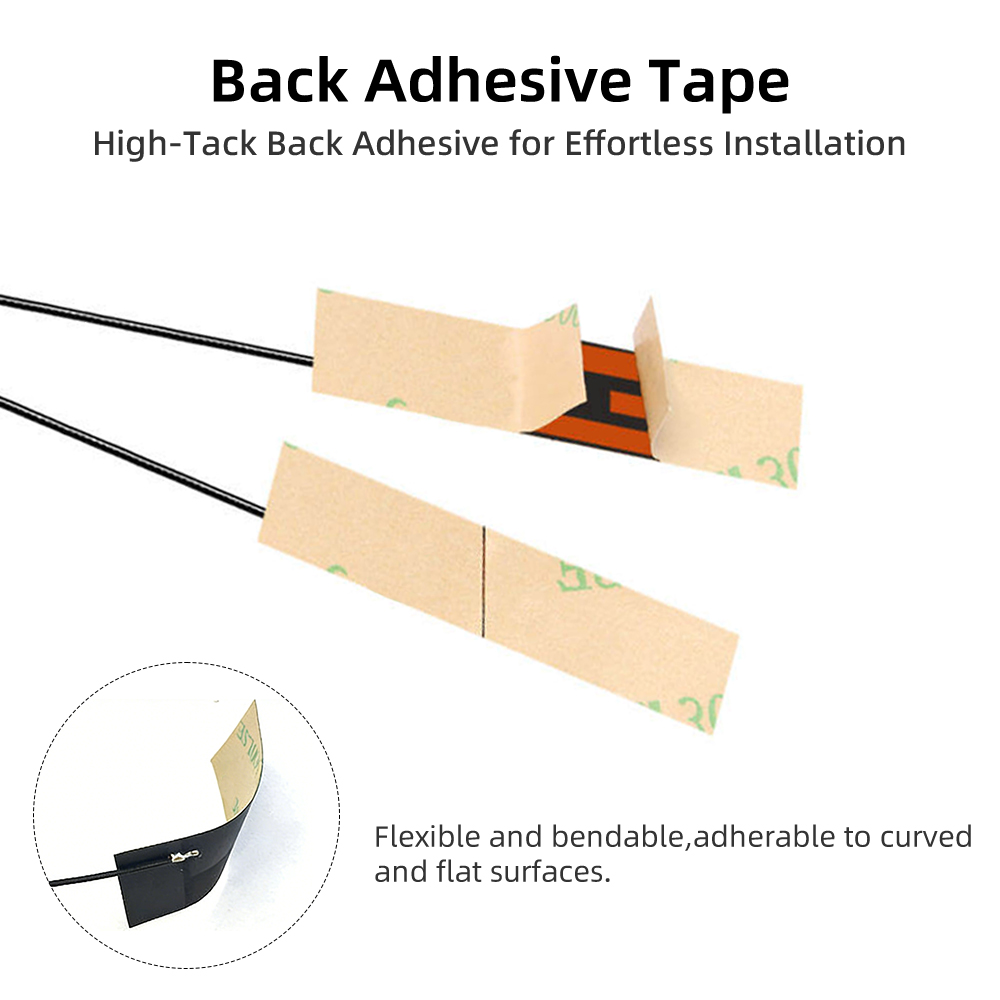
A Flexible Internal Antenna uses a thin polyimide film that can bend around gentle curves or fit behind a plastic panel. Its adhesive backing makes mounting simple, and the coaxial pigtail connects directly to the radio board. One thing to keep in mind is the ground plane. An FPC element relies on the host PCB as part of its RF environment, so the copper area, board size and cable routing all affect performance, particularly at lower frequencies. A 4G FPC antenna may perform well on a test bench but behave differently once fitted inside the finished device. When selecting a Flexible 4G antenna, consider the PCB layout, mounting space and connector position together. The right FPC antenna can fit into a compact housing without taking up much room, but the final layout still determines how well it performs.
| Type | 4G FPC Antenna | Antenna Gain | 3dBi |
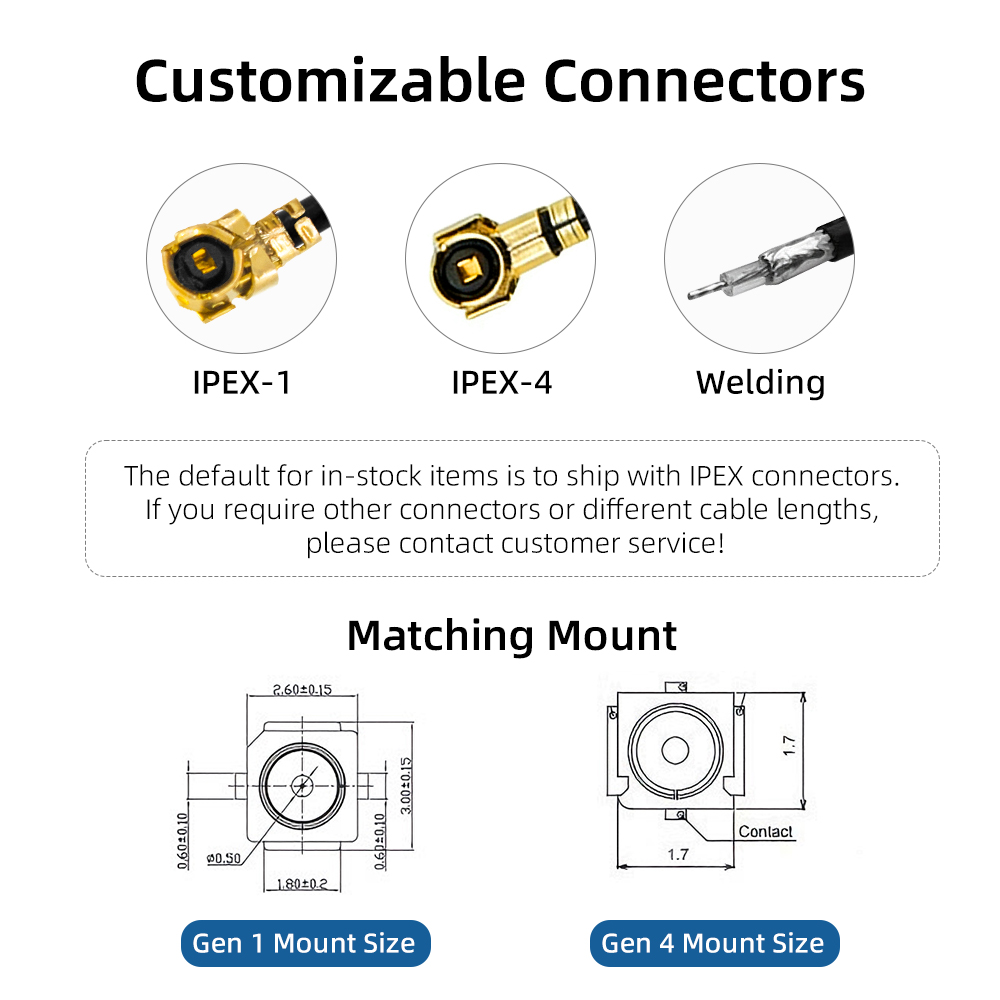
| Installation | BASE MOUNT | Connector Type | U.FL/ MHF-I |
| Model Number | FS-FPC-004 | Brand Name | Feisheng/OEM |
| Place of Origin | Guangdong, China | Polarization | Vertical |
| Maximum input power | 5w | Antenna Frequency | 700-2700MHz |
| Material | FPC | Input impedance | 50Ω |
| VSWR | ≤1.5 | Size | 70*15mm |
Q1. What is the difference between an FPC antenna and a PCB antenna?
The main difference is the material. An FPC antenna uses a thin, flexible film, usually polyimide, that can follow curved surfaces or fit into tight spaces. A PCB antenna typically uses rigid FR4 and needs a flat mounting area. If space inside your device is limited or the housing has an unusual shape, a flexible design may be easier to fit. For a flat, open layout, a rigid PCB antenna may work just as well.
Q2. Does it support the full 700–2700 MHz range?
The design targets selected frequencies within 700–2700 MHz, but it won’t perform equally across the entire range. Lower LTE bands can be more challenging for a compact Flexible 4G antenna. Before choosing a version, confirm the specific bands your modem supports and review the corresponding sweep data.
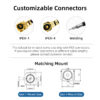
Q3. Should I use IPEX-1 or IPEX-4?
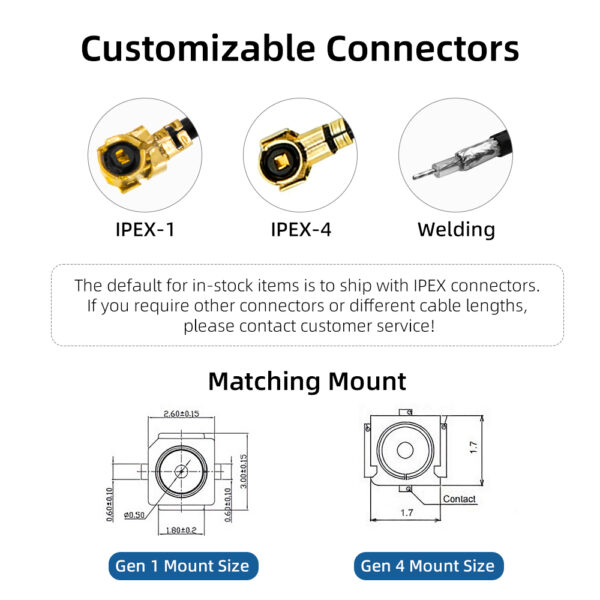
Look at the RF connector on your modem board before ordering. IPEX-1 and IPEX-4 have different sizes and mating heights, so they are not interchangeable. If you’re unsure which one you have, send us the connector drawing or a close-up of the board. It’s easier to choose the right connector upfront than to add an adapter later.
Q4. Does an FPC antenna need a ground plane or keep-out area?
Yes, but the requirements vary with the antenna design and operating frequency. The host PCB forms part of the RF environment, so nearby batteries, metal brackets and other components can affect performance. Follow the recommended keep-out dimensions and consider the antenna position early in the PCB layout. If you’re developing a Flexible Internal Antenna for a new device, sharing the board outline and available mounting space can help us assess the layout before production.
Sales: nora@fs-sz.com
Technical Support:jason@fs-sz.com
Sales :+86-13316864973
Technical Support :
+86-13683276589
+86-13427976189
+86-0755-85223189