







Scroll to Top
Share to:
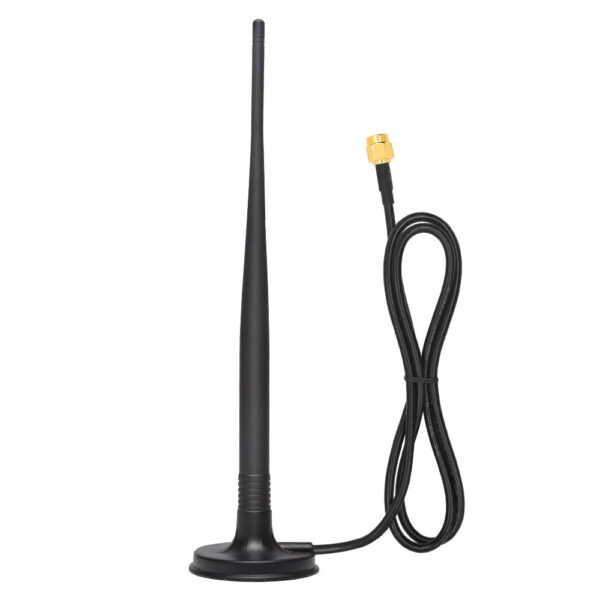
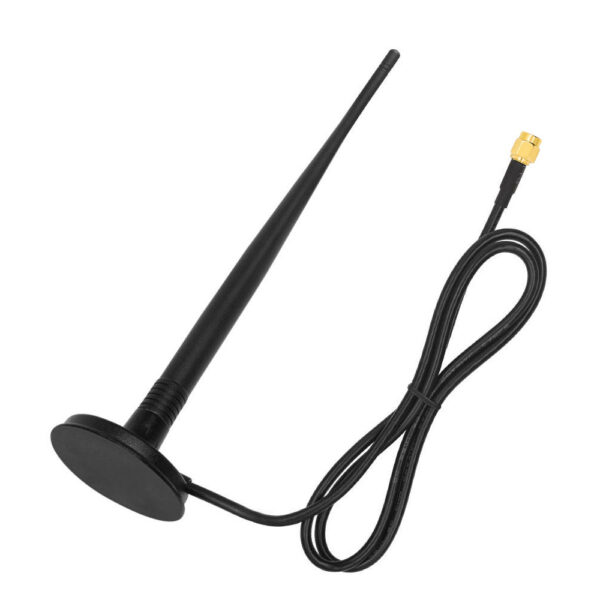
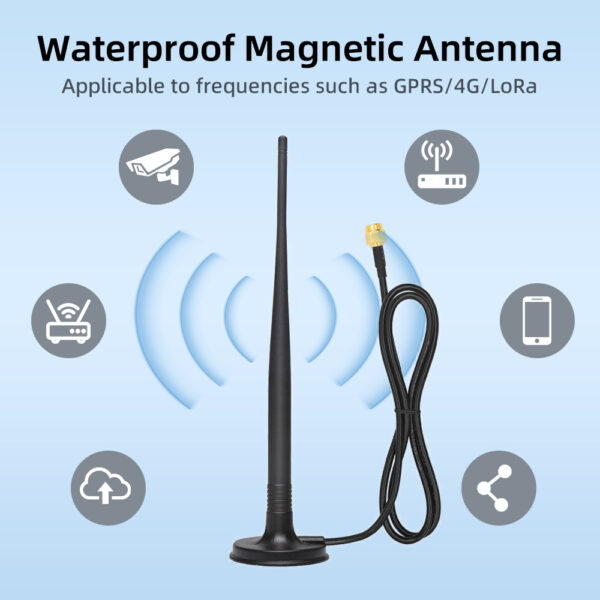
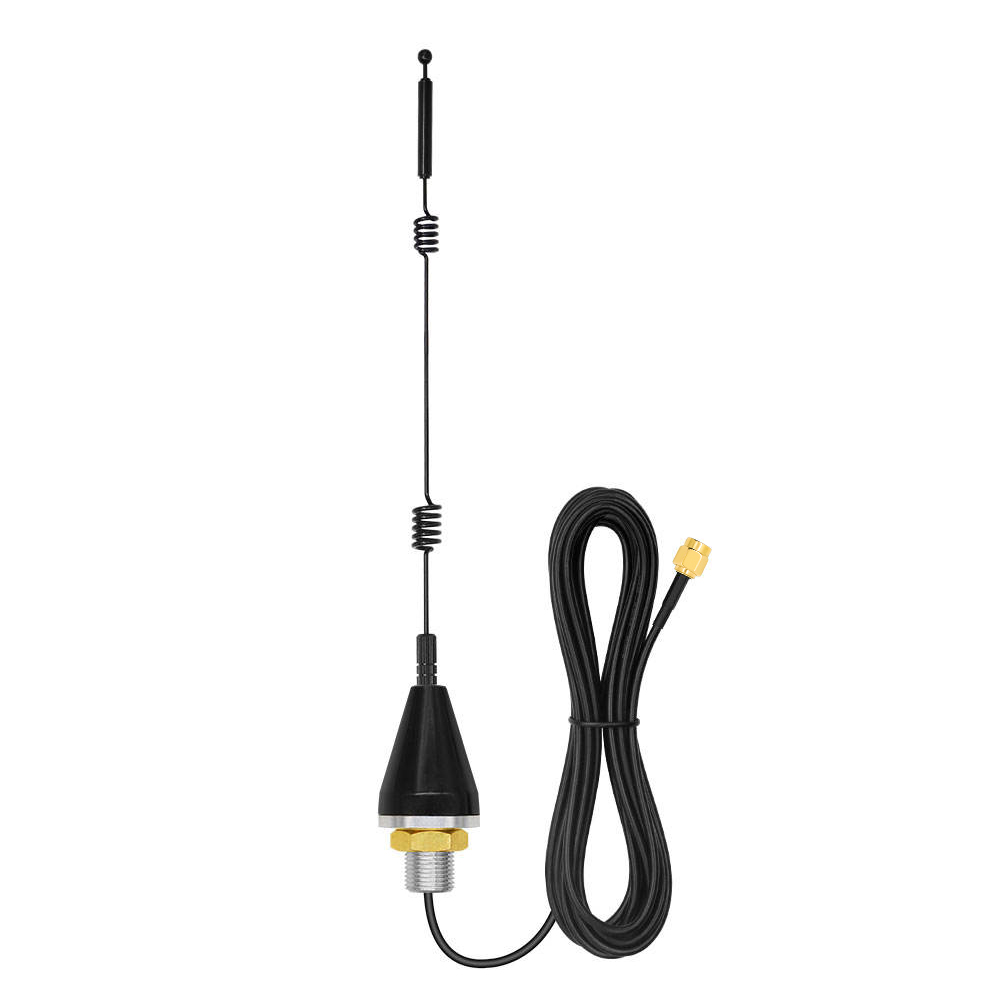
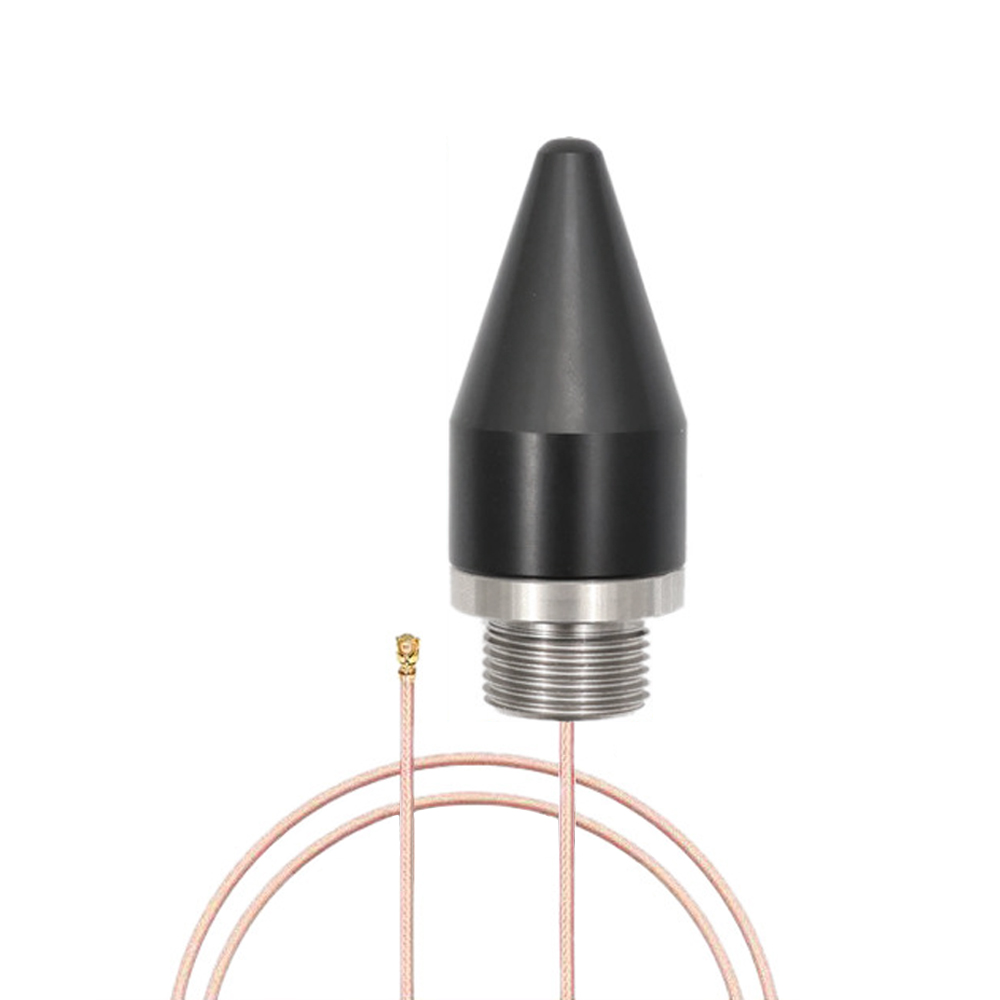
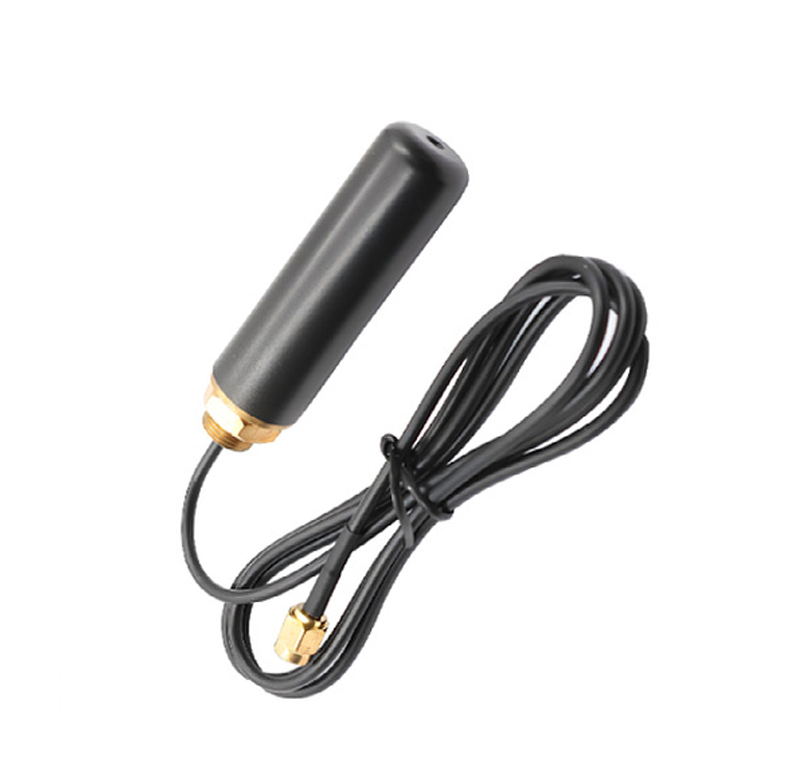
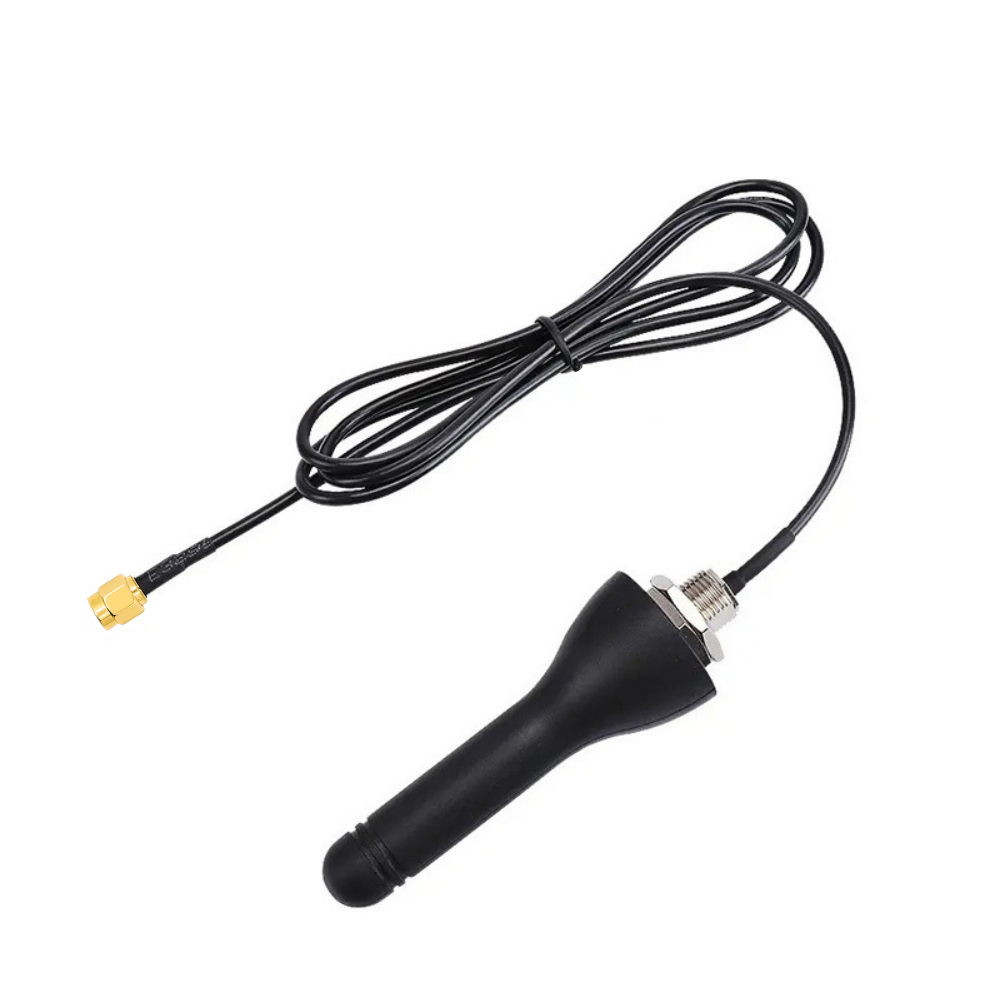
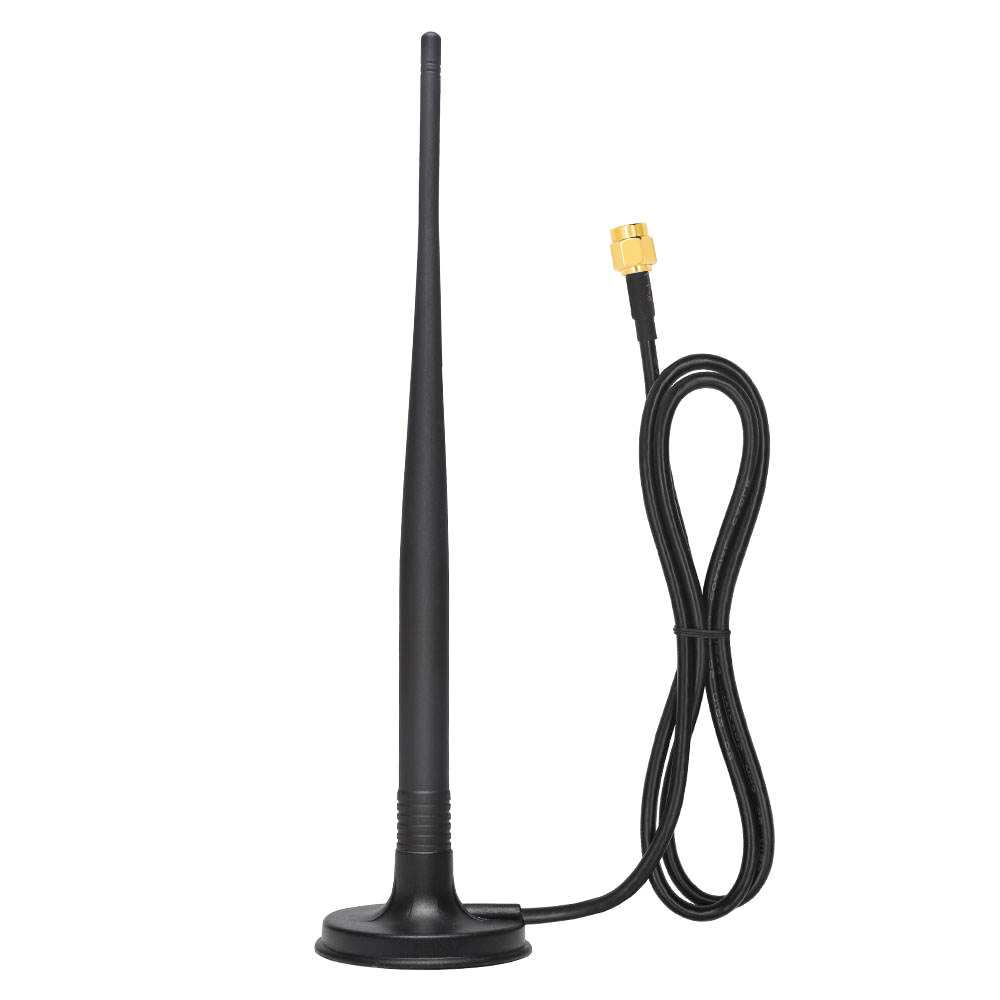
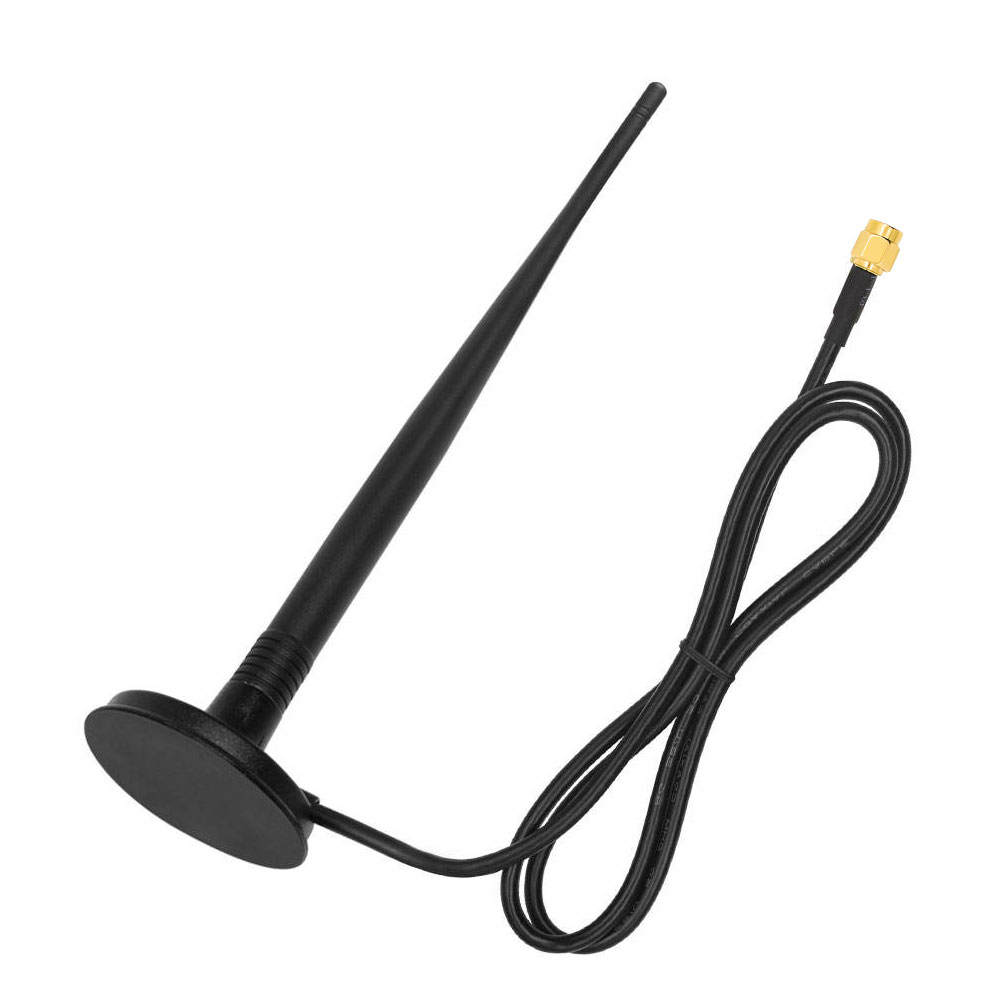
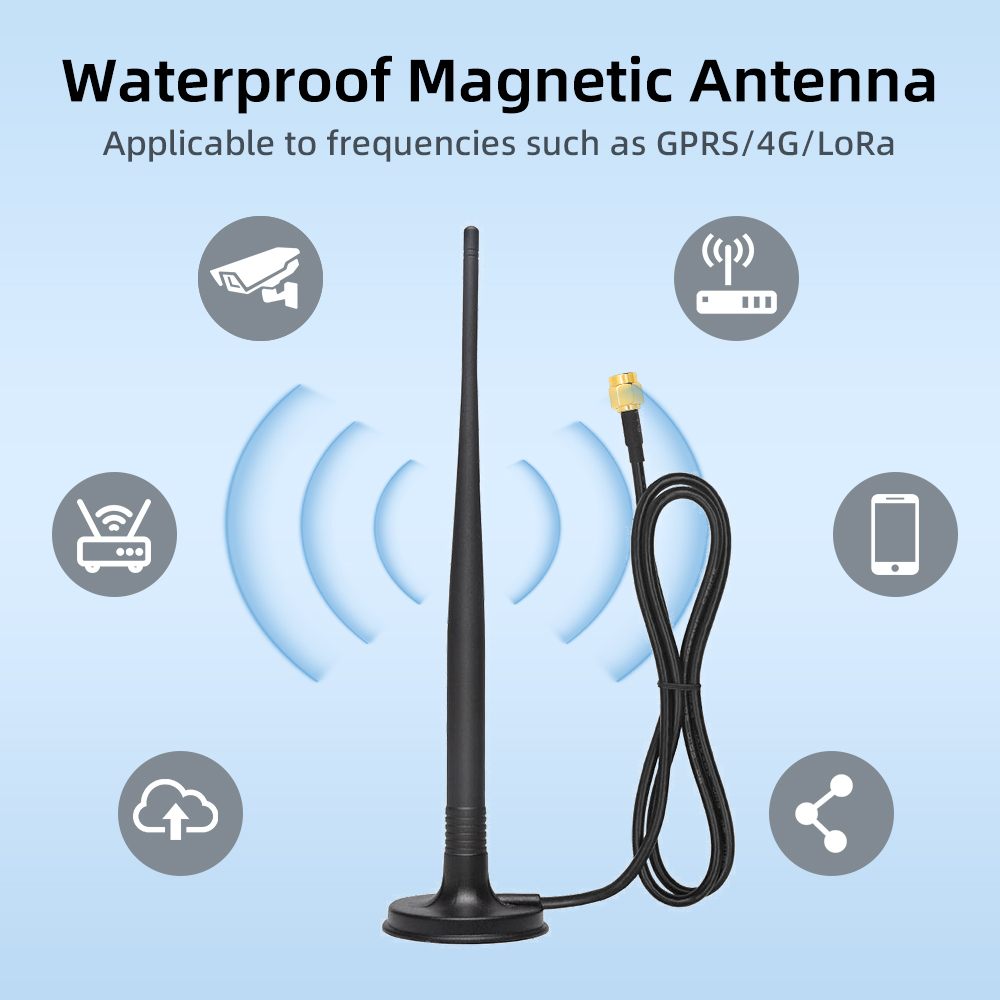
Magnetic Antenna WiFi for Vending Machine Kiosk
Product features:
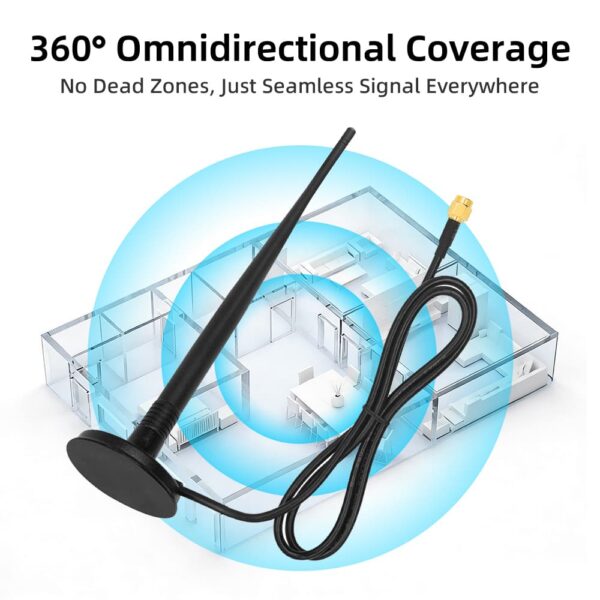
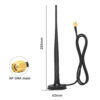
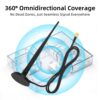
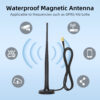
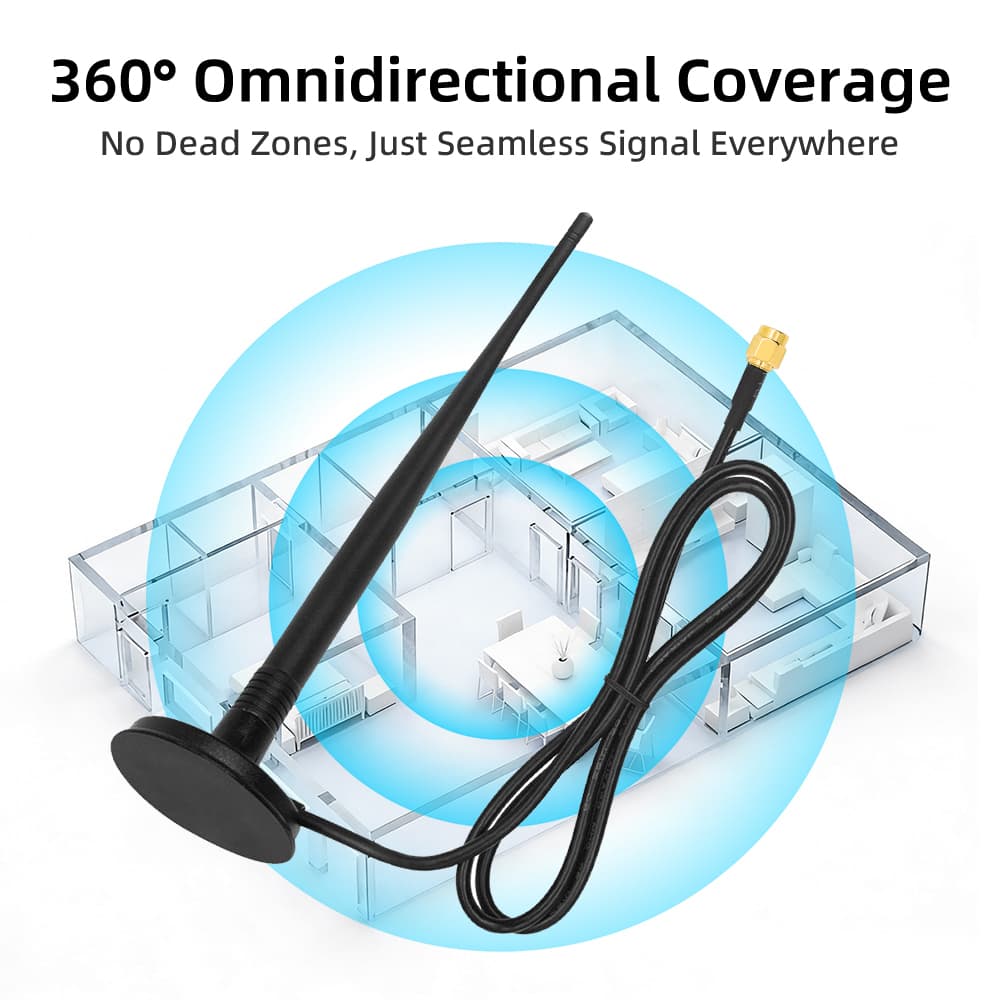
A magnetic antenna lets you place the antenna outside a metal enclosure without moving the radio. Its weighted steel base contains a built-in magnet and can also serve as a counterpoise, depending on the antenna design. The mounting surface matters: steel generally provides a better ground plane than plastic or aluminium, so check the surface before fitting it to a vehicle. Cable length matters too. Long, thin coaxial cable adds signal loss, particularly at higher frequencies, so keep it as short as the installation allows. Whether you use it as a wifi antenna on a cabinet, kiosk or camera arm, the main benefit is better antenna placement, not increased transmit power. It simply moves the rubber duck antenna outside the enclosure, where it can receive and transmit more effectively. A high gain antenna may suit some setups, but gain alone does not guarantee better coverage.
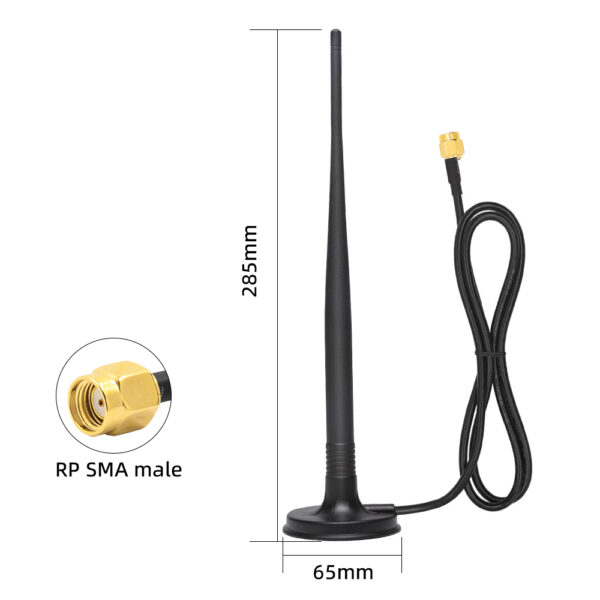
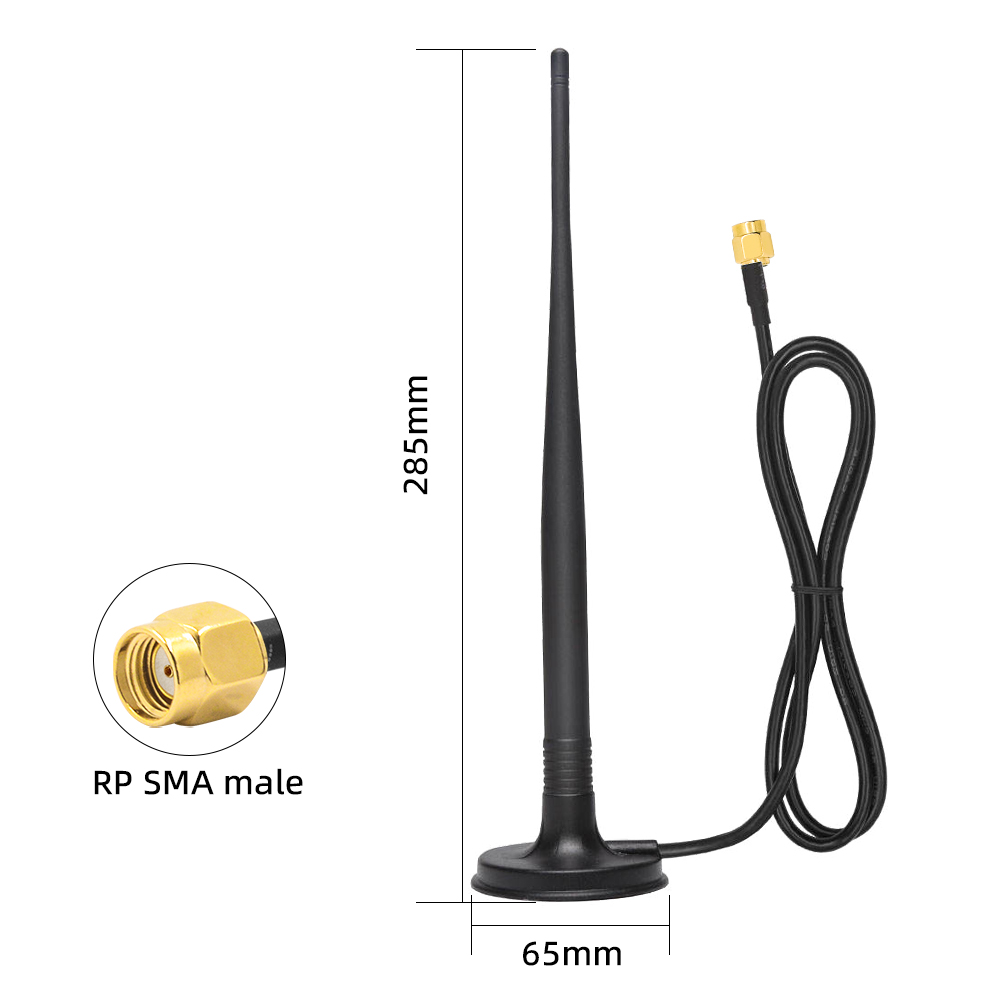
| Type | Magnetic Antenna | Antenna Gain | 6dBI |
| Number Of Bands | 8 | Installation | Screw/OEM |
| Model Number | FS-XP-2 | Brand Name | Feisheng/OEM |
| Place of Origin | Guangdong, China | Ingress Protection | IP65 |
| Polarization | Vertical polarization | Maximum input power | 10W |
| Antenna Frequency | 2400-2500MHz | Material | ABS+Magnetic |
| Input impedance | 50Ω | VSWR | ≤1.5 |
Vending Machines and Self-Service Kiosks-Vending machines and self-service kiosks often keep their controllers inside metal cabinets, where WiFi signals can be weak. A magnetic antenna with a coaxial cable lets installers move the antenna outside without drilling into the cabinet. They can attach it to a suitable steel surface or an external mounting plate. Cable length and connector type are worth checking before installation.
IP Cameras and Door Access Systems-Metal camera housings and door stations can interfere with wireless reception when the antenna sits too close to the enclosure. A magnetic-base wifi antenna lets installers move it away from the housing and adjust its position more easily. This is useful when mounting space is limited or the antenna needs to stay clear of nearby fixtures.
Industrial Control Cabinets and PLC Enclosures-Industrial gateways and wireless controllers often stay inside metal cabinets for protection. A coaxial magnetic antenna brings the antenna outside while keeping the radio safely inside. A suitable metal mounting surface may also provide the ground plane the antenna needs, depending on its design. For these installations, check cable length, connector compatibility and the antenna’s operating frequency.
LoRa and Sub-GHz Gateways-LoRa gateways use different frequency bands in different regions, including 433, 868 and 915 MHz. A common magnetic base and housing can simplify the mechanical design, but each version still needs a radiator matched to its target band. A 2.4 GHz rubber duck antenna, for example, will not replace a sub-GHz antenna. Always confirm the frequency range before ordering.
POS Terminals, Printers and Shop-Floor Tablets-Retail counters and production layouts change, so a fixed antenna location may not always work. A magnetic-base antenna is easy to move when equipment changes position, provided there’s a suitable steel surface nearby. The coaxial cable also gives installers more freedom to route the antenna around the equipment without modifying its enclosure.
Test Benches and Rack Equipment-Engineers often reposition antennas when testing wireless devices or comparing installation setups. A magnetic base makes this quick, while the coaxial cable keeps the antenna separate from the equipment under test. For applications that need greater range or directional coverage, a high gain antenna may be a better fit. The choice depends on the test frequency and coverage requirements.
Q1. Will the magnet hold on my device?
The magnetic base sticks to steel and other ferromagnetic surfaces, but not aluminium, glass, plastic or non-magnetic stainless steel. Some vehicle panels are aluminium, so check the mounting surface with a magnet before choosing this magnetic antenna.
Q2. Does it need a metal ground plane?
The antenna can operate without a large metal surface, as the base disc provides a ground reference. However, a suitable steel surface may improve tuning. Mounting it on plastic or wood can change the impedance and affect VSWR. For the most reliable results, follow the mounting conditions used in the antenna tests.
Q3. Does it support both 2.4 GHz and 5.8 GHz WiFi?
The standard wifi antenna version covers 2400–2500 MHz. A separate 2.4/5.8 GHz version is available. Check the specified frequency range and ask for the test report if you need to verify dual-band performance.
Q4. Can one antenna cover 4G, LoRa and GNSS?
No. These are separate frequency-specific versions that use the same base or mechanical design. Tell us the required band and country of use, and we can help select the right build. The same applies when choosing a rubber duck antenna or a high gain antenna: match it to the operating frequency and application.
Sales: nora@fs-sz.com
Technical Support:jason@fs-sz.com
Sales :+86-13316864973
Technical Support :
+86-13683276589
+86-13427976189
+86-0755-85223189