




Scroll to Top
Share to:
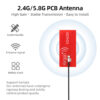
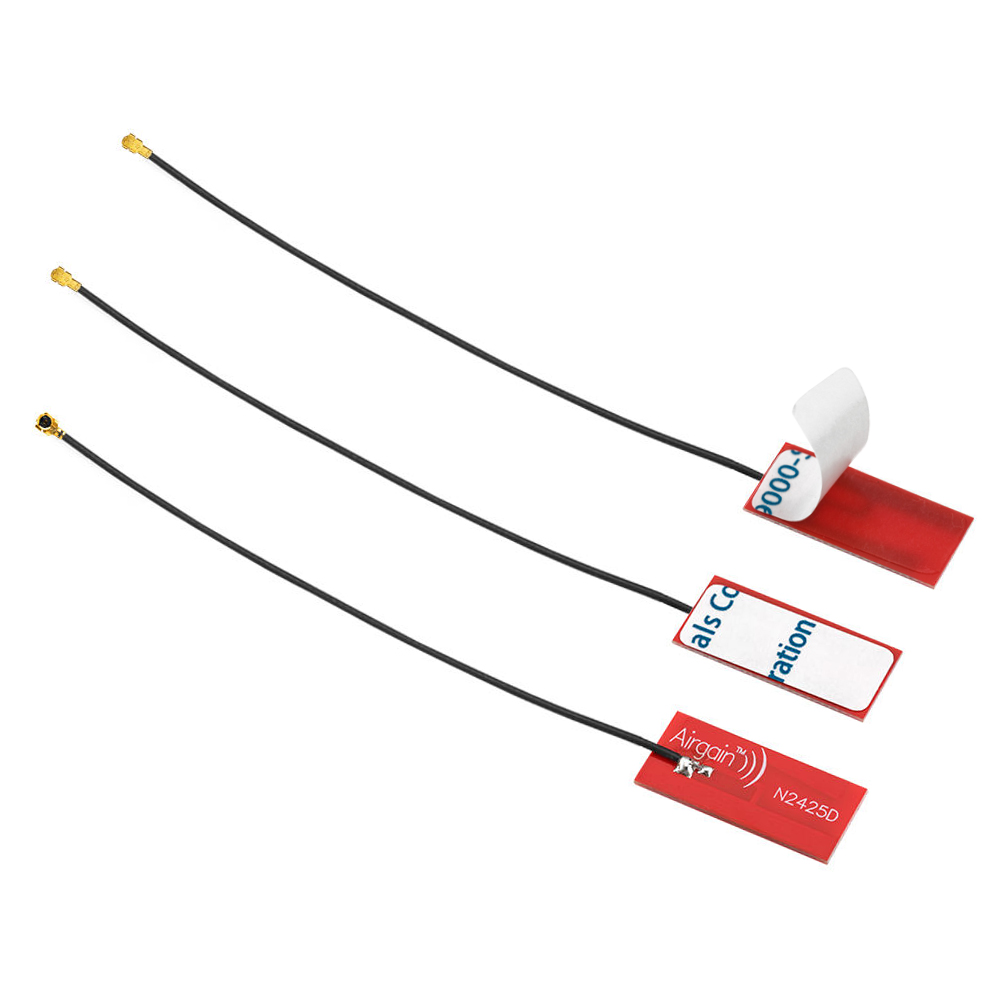
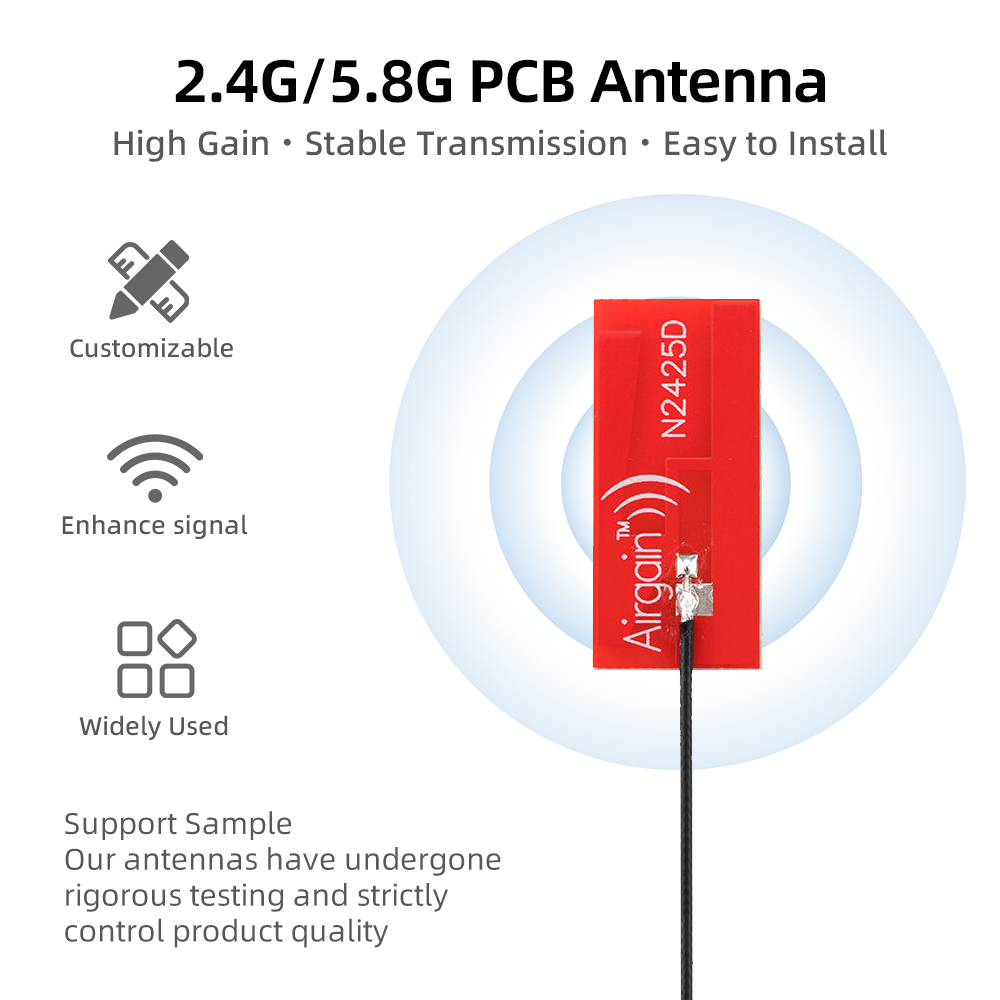
2.4G PCB Antenna for WiFi Bluetooth Zigbee Module
Product features:
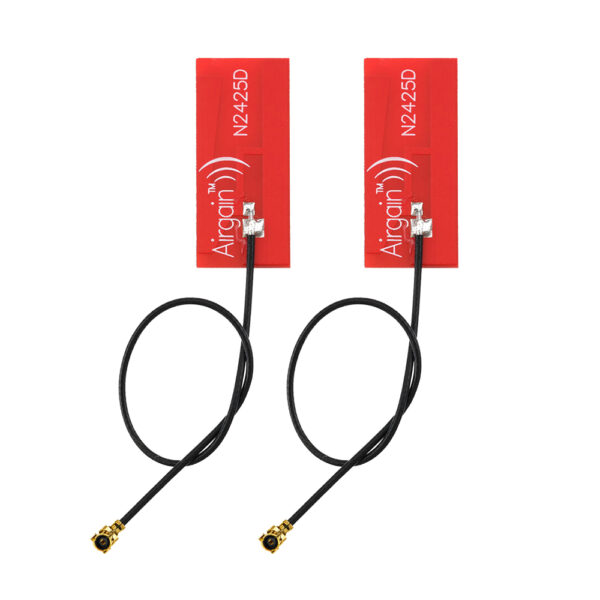
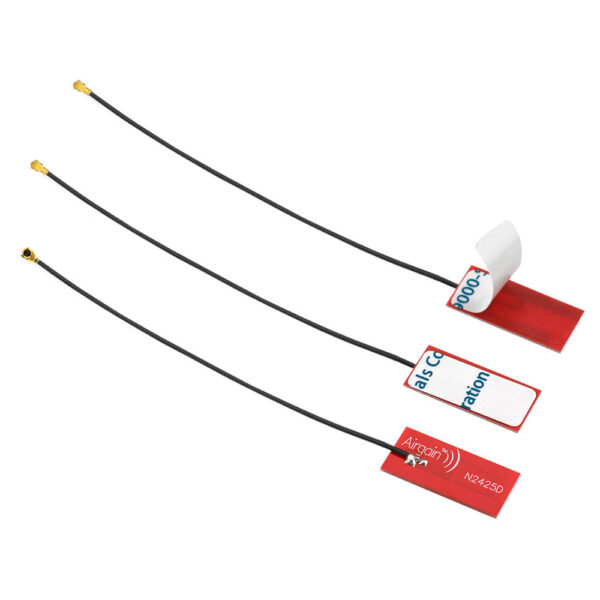
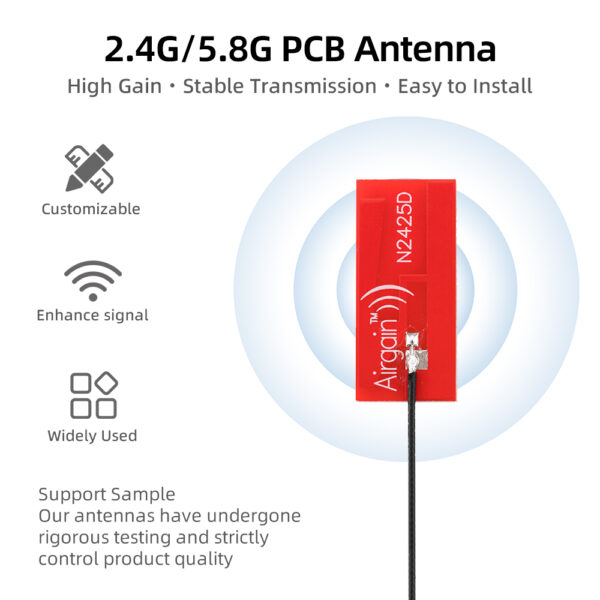
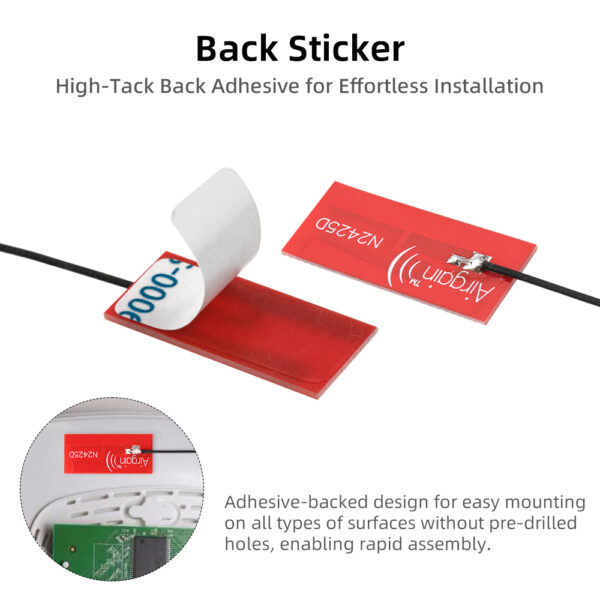
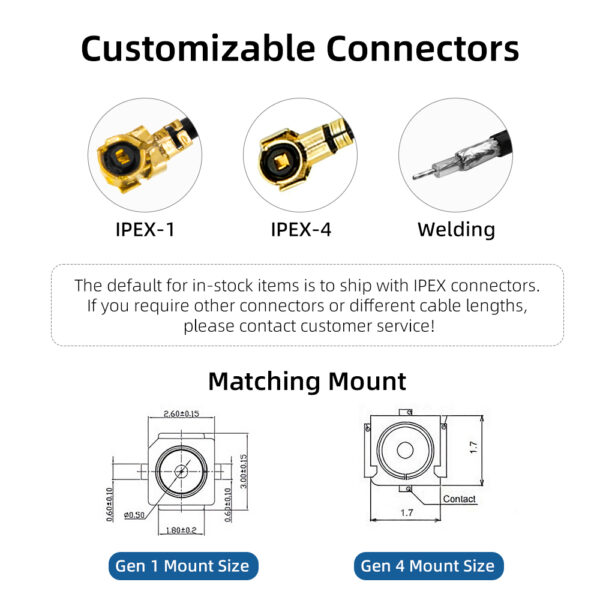
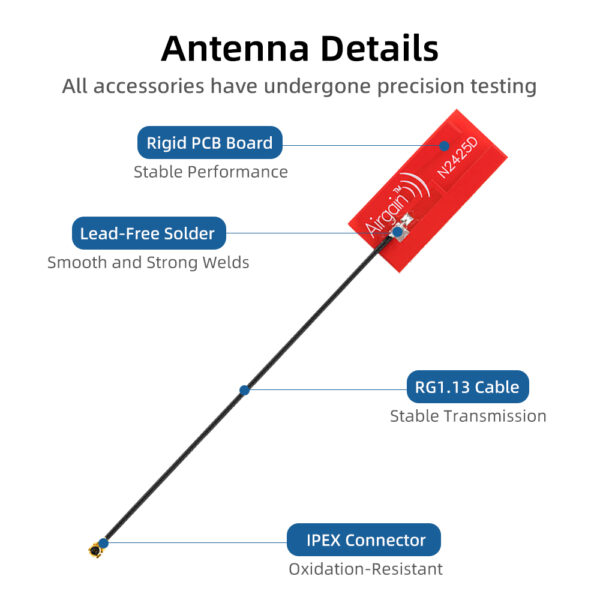
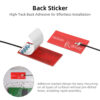
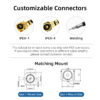
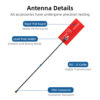
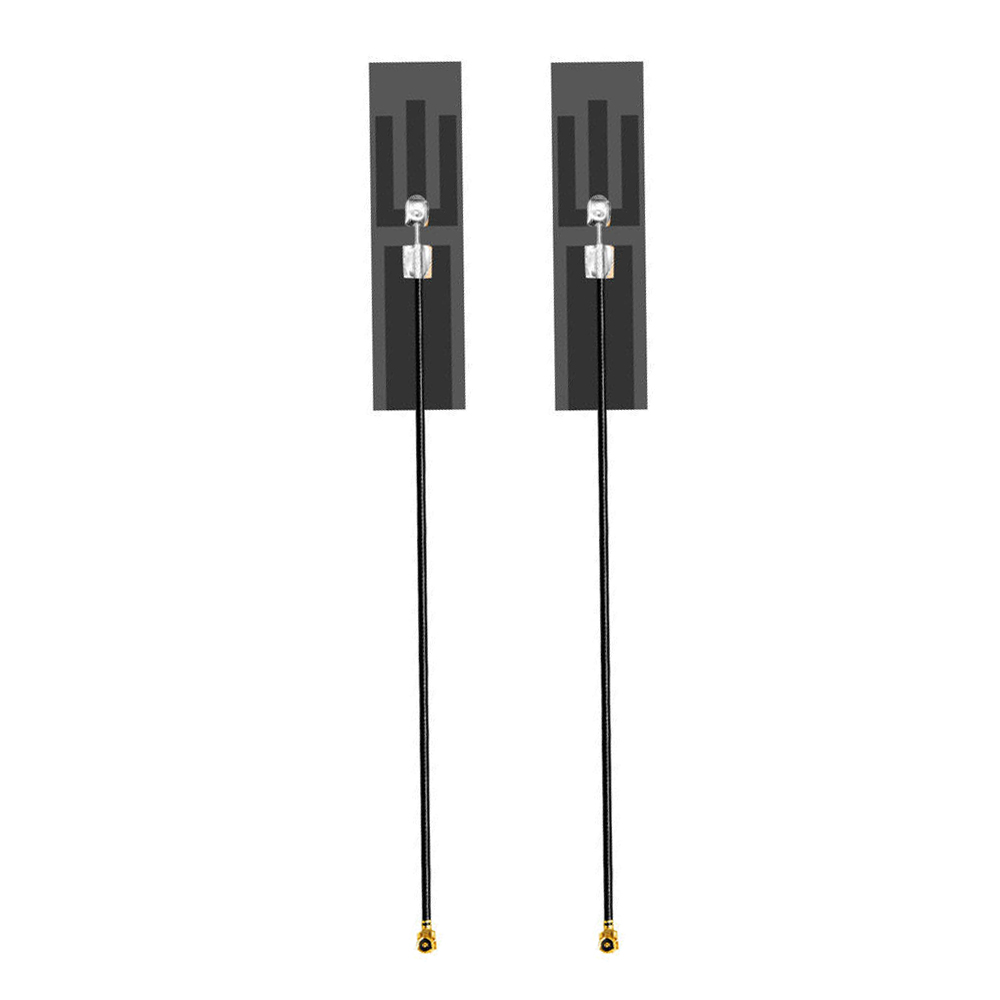
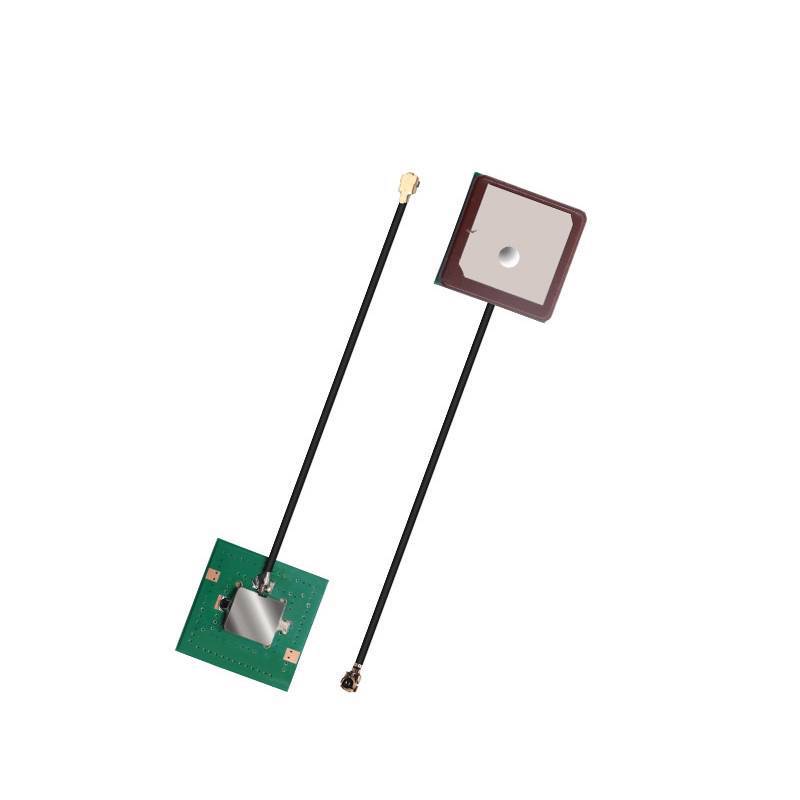
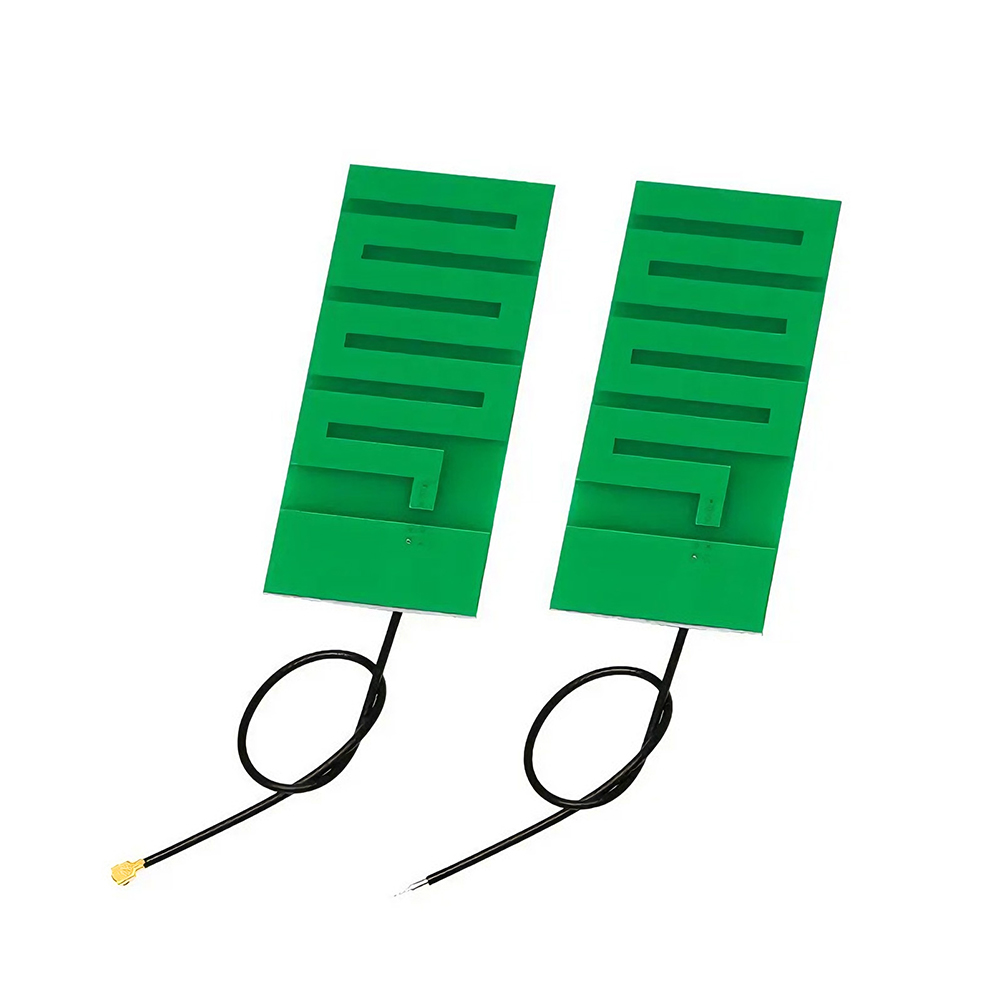
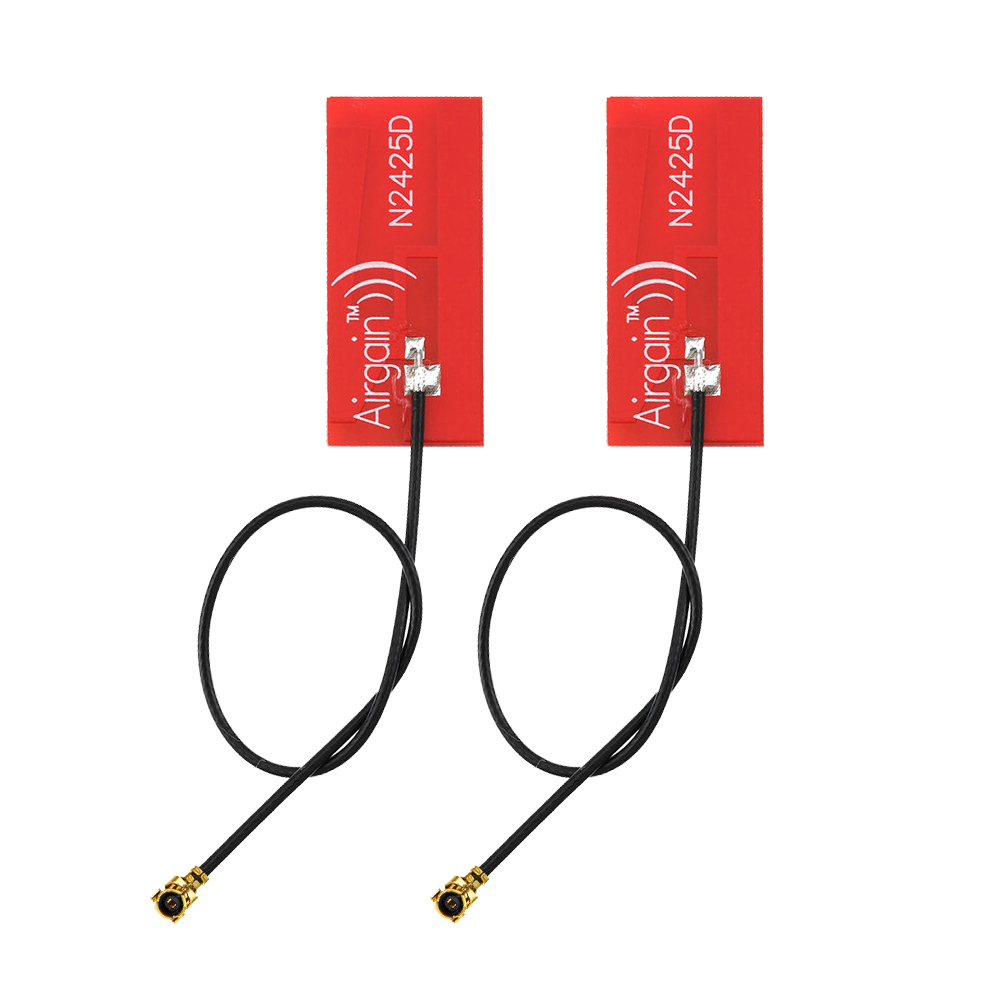
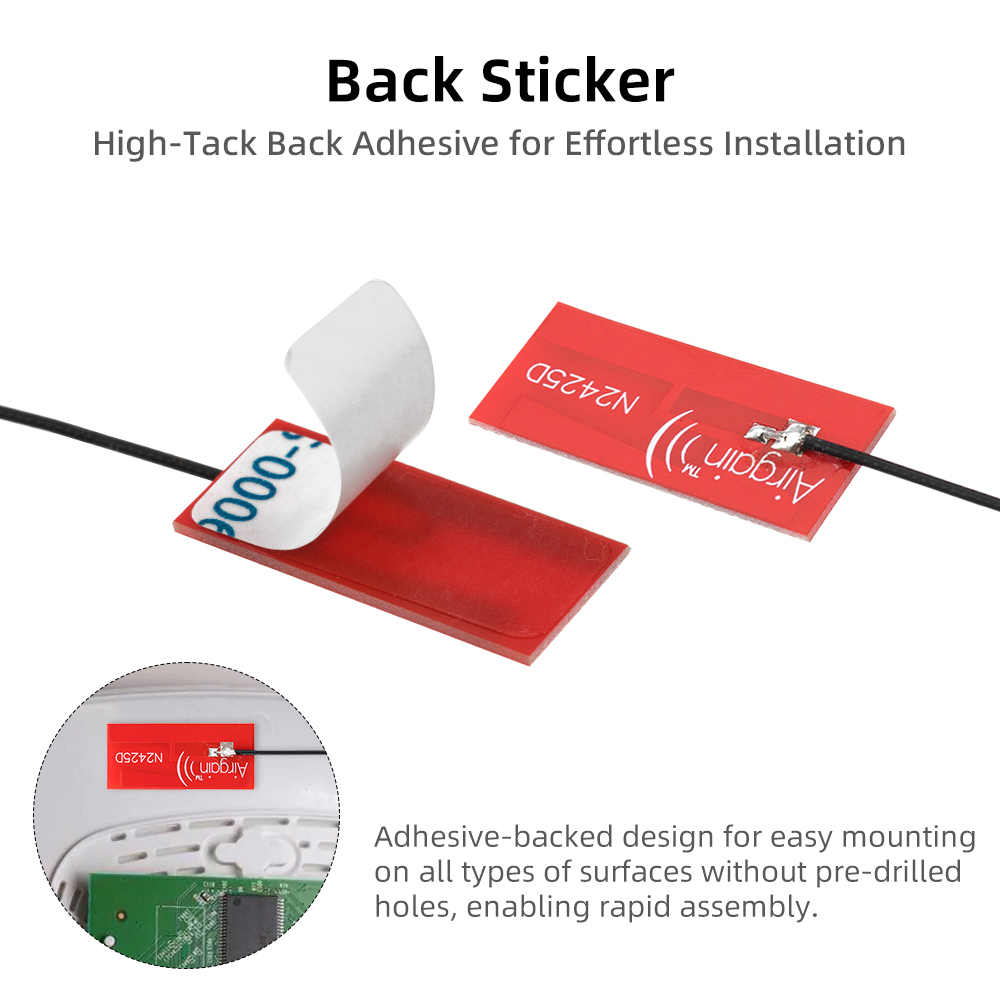
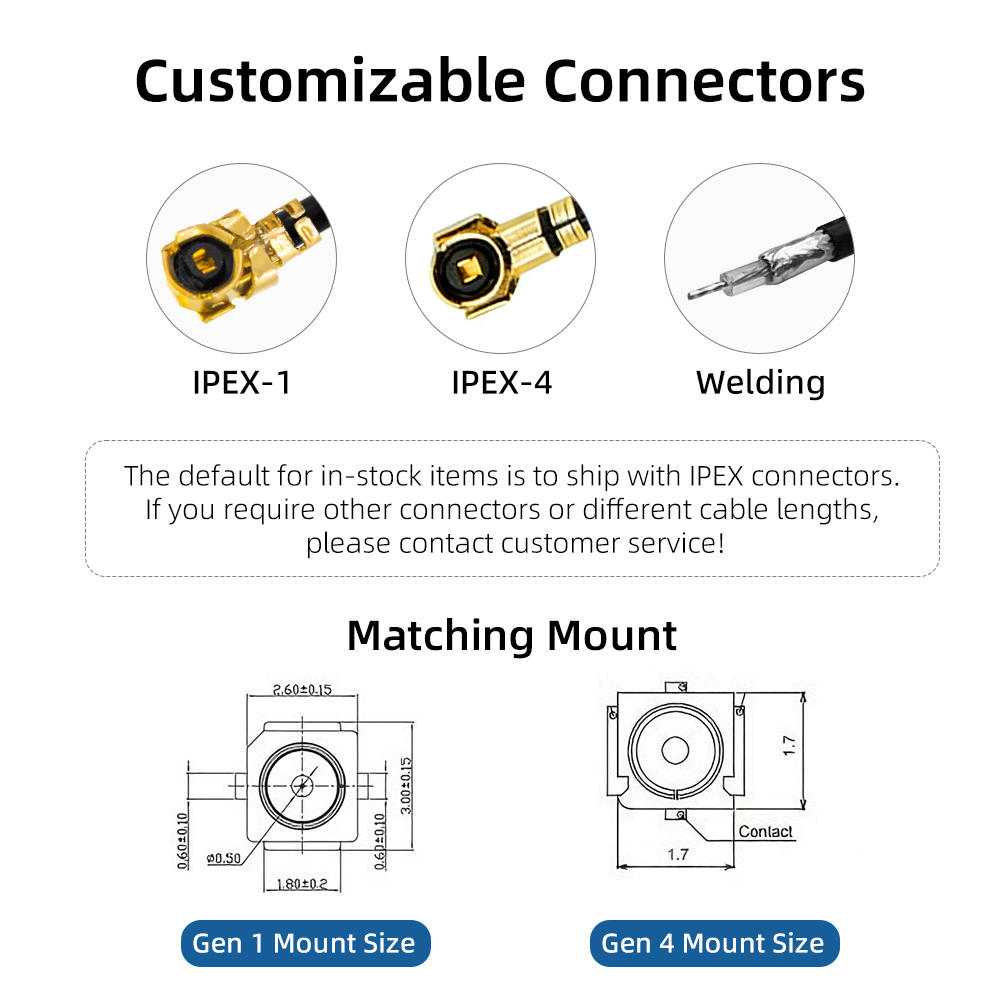
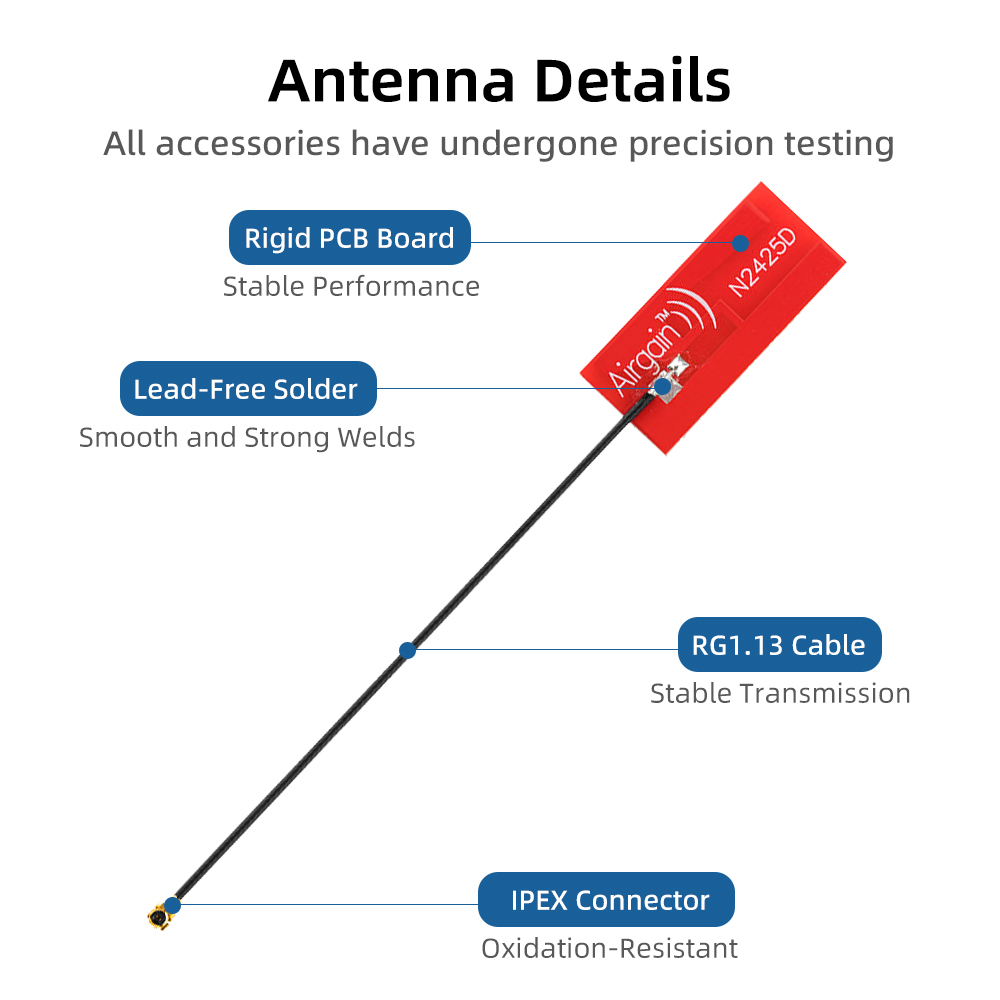
The FS-B14 is a PCB antenna built on a rigid FR4 board, with customization options to suit different device designs. The antenna pattern can be adjusted for different frequency requirements, and the RG1.13 coaxial cable length and connector type, including IPEX-1, IPEX-4 or a solder tab, can be selected to match your setup. Frequency and gain can also be customized to meet different application needs, allowing this 2.4G 5.8G built-in PCB antenna to be adapted to your specific design requirements. As an internal antenna, its performance can be affected by the device enclosure and internal component layout, including nearby copper, housing materials and battery placement. Providing your enclosure details and module information can help us evaluate the design and determine suitable tuning options for your device.
| Type | PCB antenna | Antenna Gain | 5 |
| Connector Type | Can be customized | Model Number | FS- B14 |
| Place of Origin | Guangdong, China | Polarization | Linear |
| Antenna Frequency | Can be customized | Frenquency | Can be customized |
| Model number | FS-B14 | Material | PCB |
| Polarization | Vertical | Connector | Can be customized |
| Gross weight | 0.1kg | Operation Temperature | -30 degree to 80 degree |
IoT Gateways and Hubs-Many IoT gateways need to handle wireless connections on both 2.4 GHz and 5 GHz. A dual-band PCB antenna can be installed inside the housing, ideally behind a plastic section rather than close to metal parts. Its 1.13 mm coaxial pigtail connects to the main board, with no external antenna mount needed. For compact designs, an internal PCB antenna for IoT gateway applications keeps the antenna out of the way while leaving room for other components.
IP Cameras and Video Doorbells-Inside a camera or video doorbell, the space around the lens and mounting hardware is usually tight. A compact internal antenna can be fitted behind a plastic section of the housing, keeping the outside of the device clean and unobstructed. The pigtail needs a suitable route, and the antenna should be kept clear of the lens assembly and nearby metal parts.
Smart Meters and Utility Devices-Smart meters and other utility devices are typically enclosed to protect their electronics from the elements. A built-in PCB antenna keeps the RF connection inside the housing and avoids the need for a separate external antenna fitting. When choosing an antenna, consider the operating temperature, enclosure materials and distance from metal components. These details can make a noticeable difference to wireless performance after assembly.
POS Terminals and Access Control Systems-In POS terminals and access control units, the antenna has to share space with components such as the display, printer, battery and control board. A compact PCB antenna with a short coaxial lead can be fitted into the available space and connected directly to the wireless module. Connector compatibility and cable routing are worth confirming early, especially when the enclosure or board layout is still being finalized.
WiFi Modules, Development Boards and Prototypes-For engineers testing a new WiFi module or developing a custom device, an internal antenna makes it possible to evaluate wireless performance before the hardware design is finalized. A 2.4G 5.8G built-in PCB antenna is an option for designs that operate across those bands, provided the antenna’s specified frequency range matches the application. Testing it inside the actual enclosure is important, as batteries, cables and metal parts can affect the results. Ordering a small batch for initial testing also gives the team a chance to check fit and performance before committing to a larger production run.
Q1. How do I know if my module uses IPEX-1 or IPEX-4?
IPEX-1 and IPEX-4 are different connector sizes, so they are not interchangeable. If you’re unsure which one your module uses, check the datasheet or send us the module model number or a clear photo of the socket. We can help identify the right connector for your PCB antenna before you place an order.
Q2. Is the gain 5 dBi on both 2.4 GHz and 5.8 GHz?
The 5 dBi rating refers to peak gain, so it may not be the same across both bands. The PCB layout and the enclosure can also affect the results. If your device uses both 2.4 GHz and 5.8 GHz, it’s worth checking the gain figures for each band and testing the antenna in the finished housing.
Q3. Can I order this internal antenna with a different cable length?
Yes, cable length can be customized to suit your layout. Keep the coaxial lead as short as your installation allows, particularly for 5.8 GHz, where cable loss can have a greater impact. It’s also best to plan the cable route in advance and keep it clear of noisy power components and tight bends.
Q4. Can the antenna be customized to fit my enclosure?
Yes. With an internal PCB antenna for IoT gateway applications, the enclosure and PCB layout are important parts of the design. Send us the housing dimensions, ground-plane layout, module position and required frequency bands, and we can review the antenna placement and cable arrangement. We recommend testing a sample inside the intended enclosure before confirming the final design.
jason@fs-sz.com
+86-13683276589
+86 13427976189
+86-0755-85223189