




Scroll to Top
Share to:
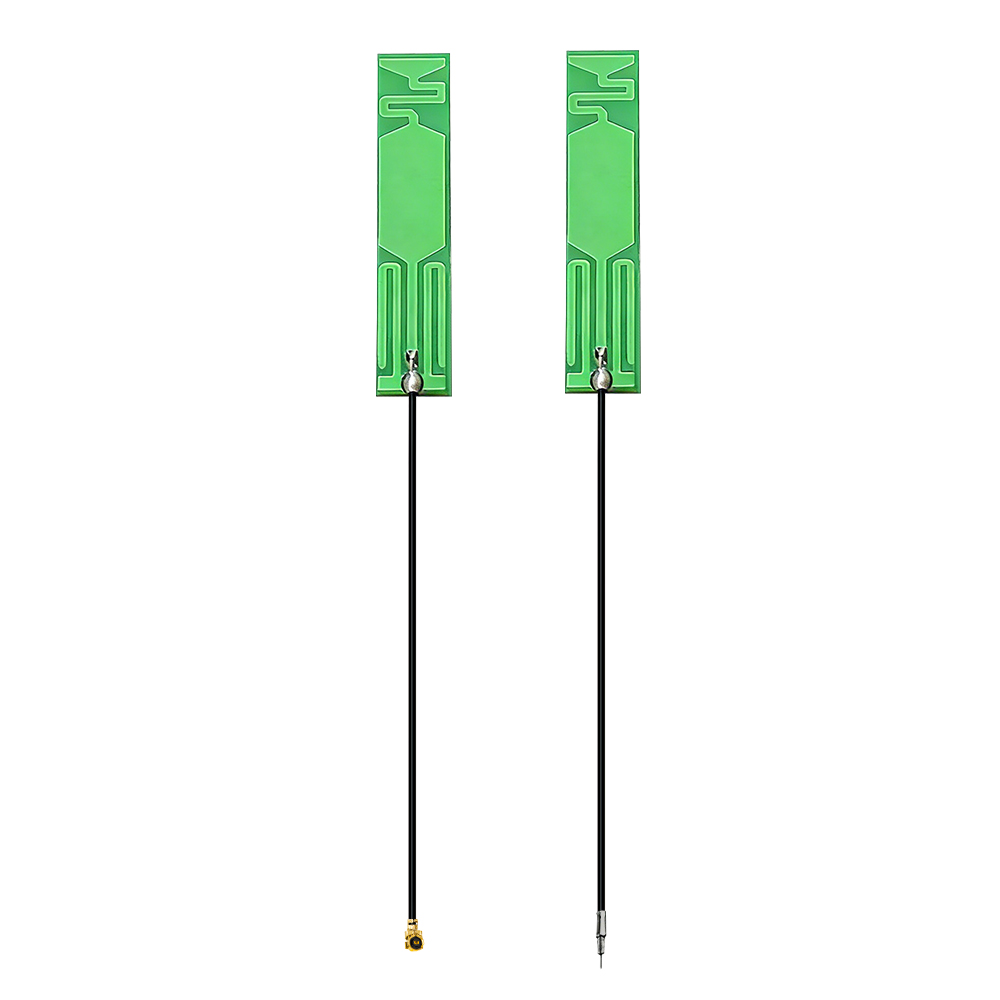
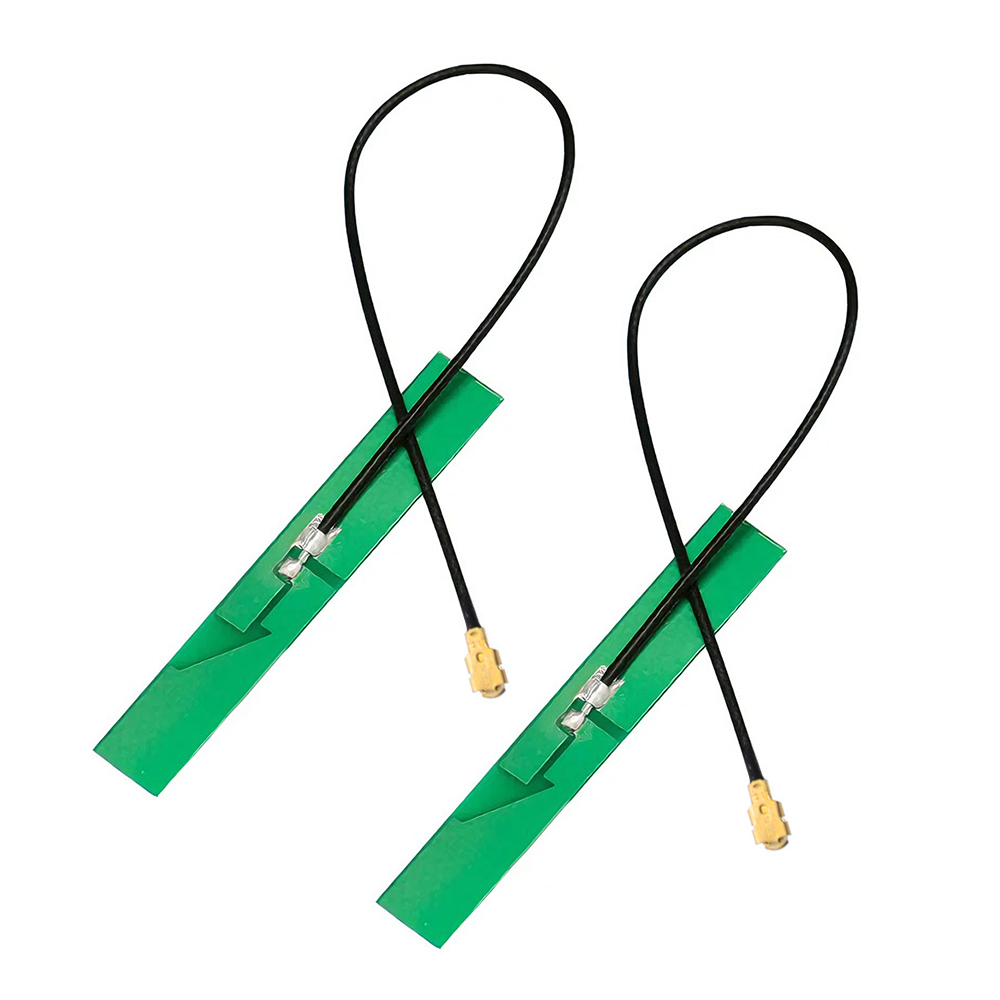
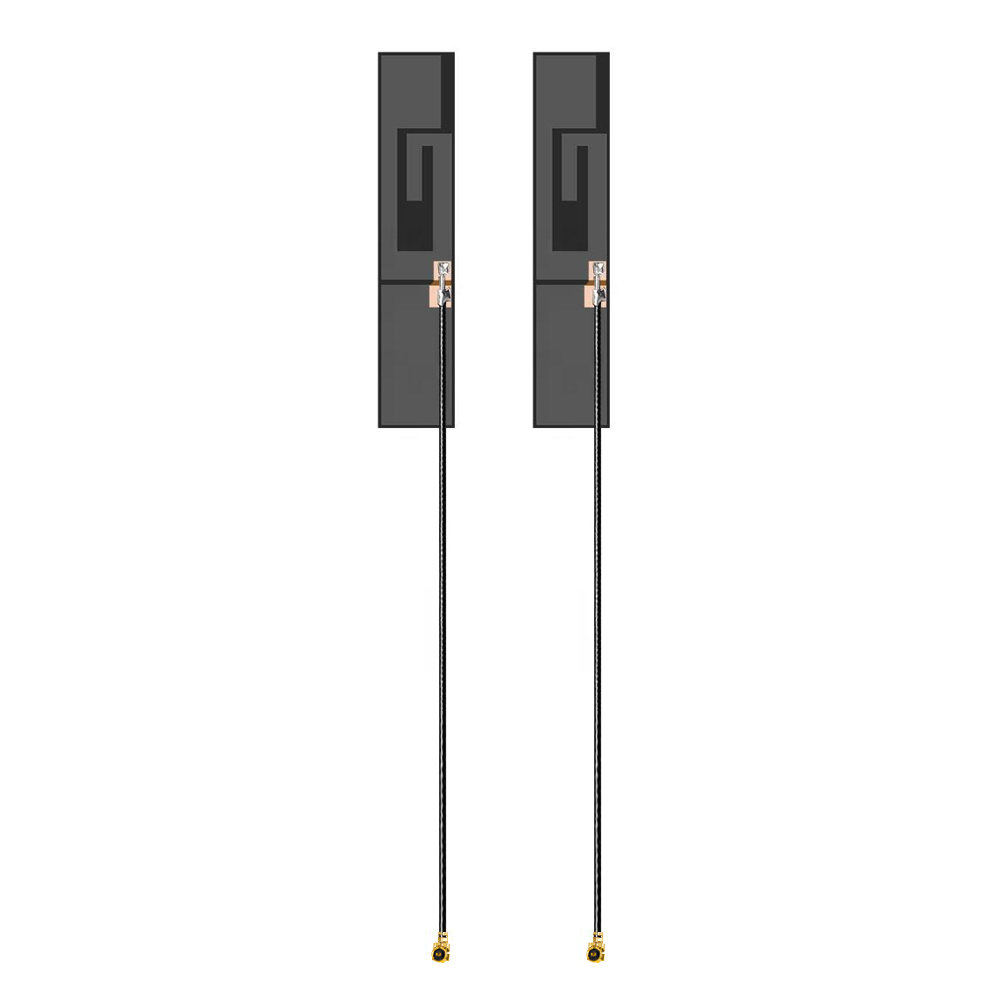
Internal Antenna for Security Camera and Doorbell
Product features:
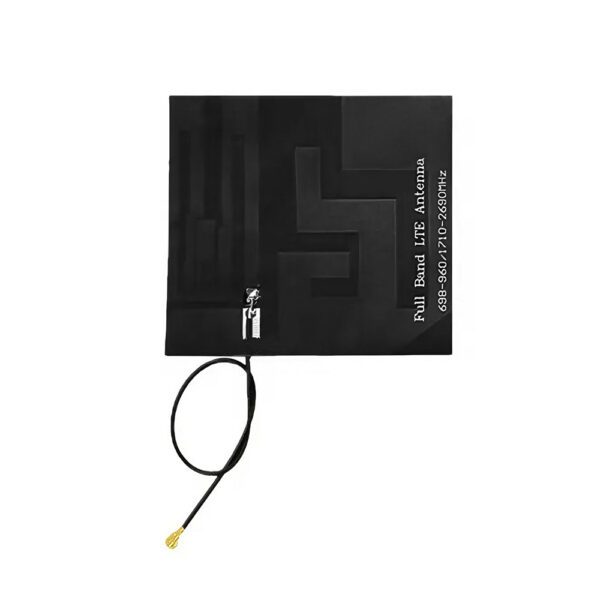
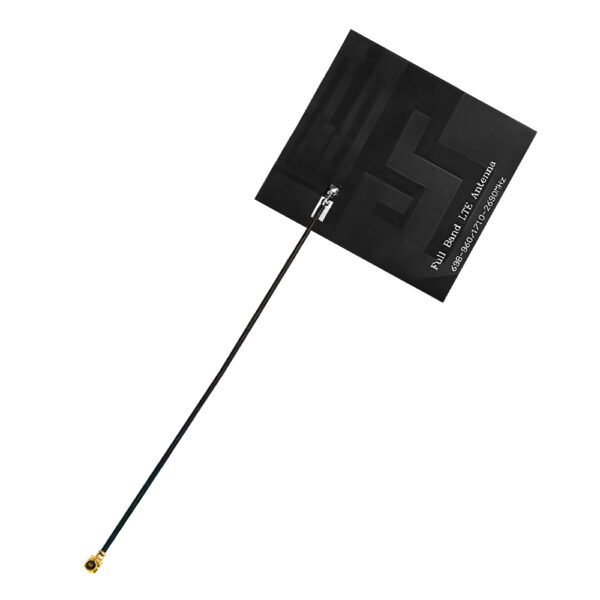
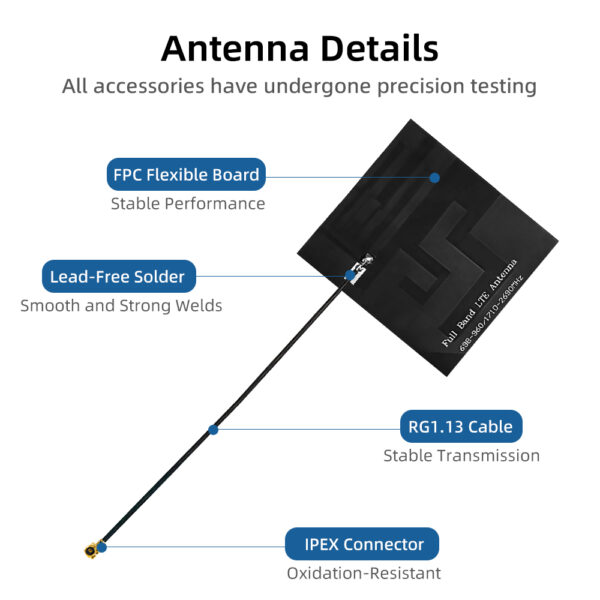
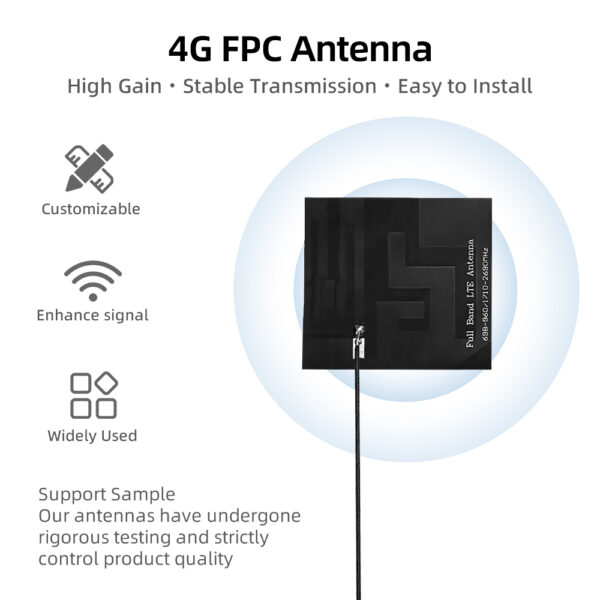
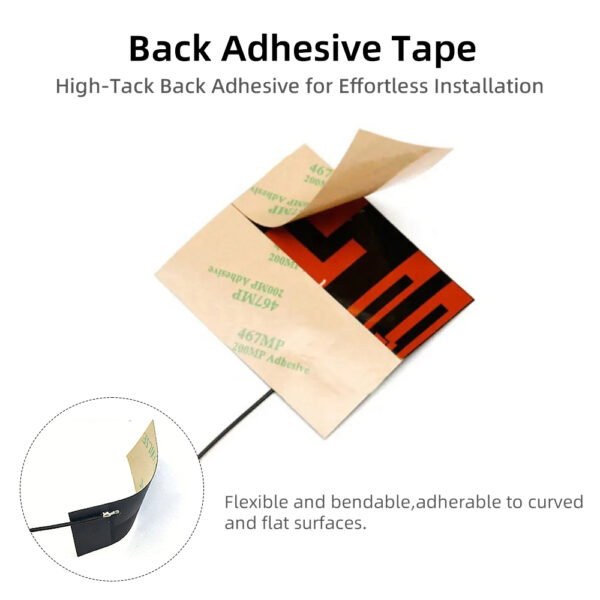
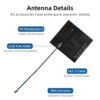
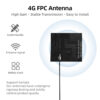
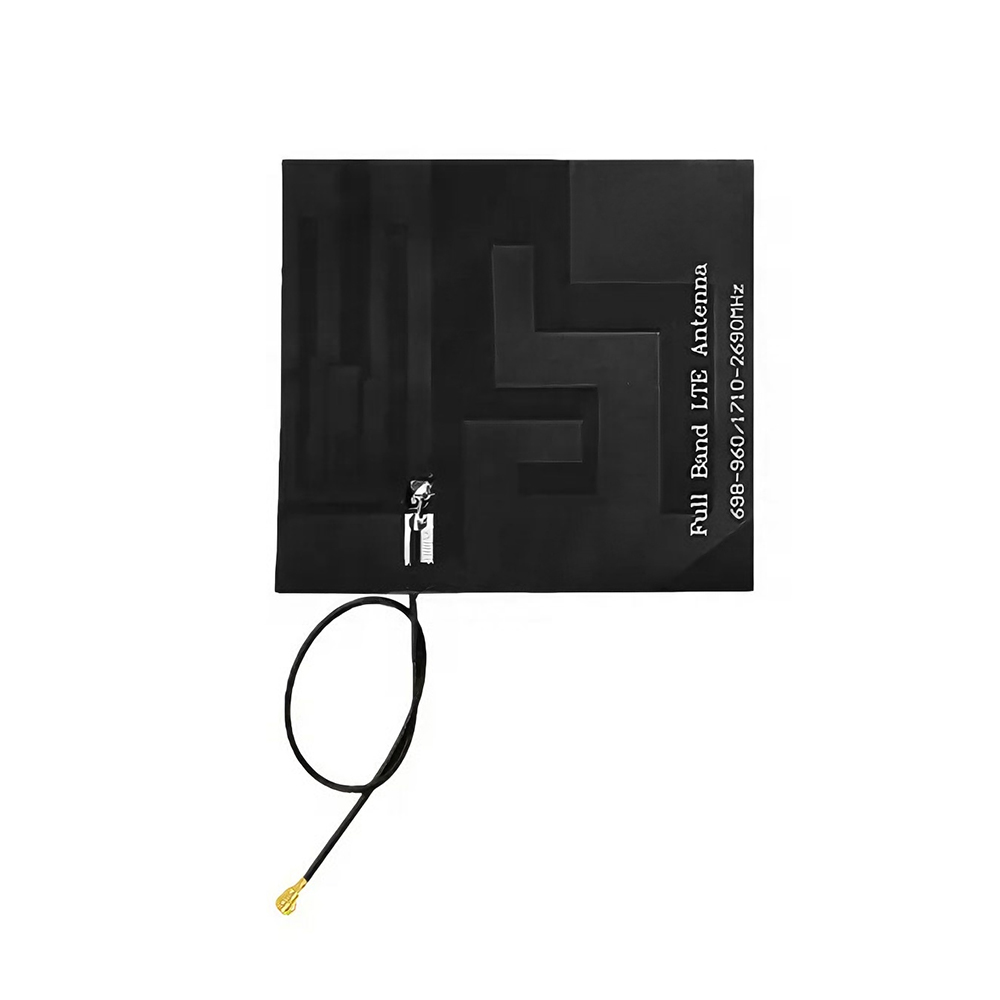
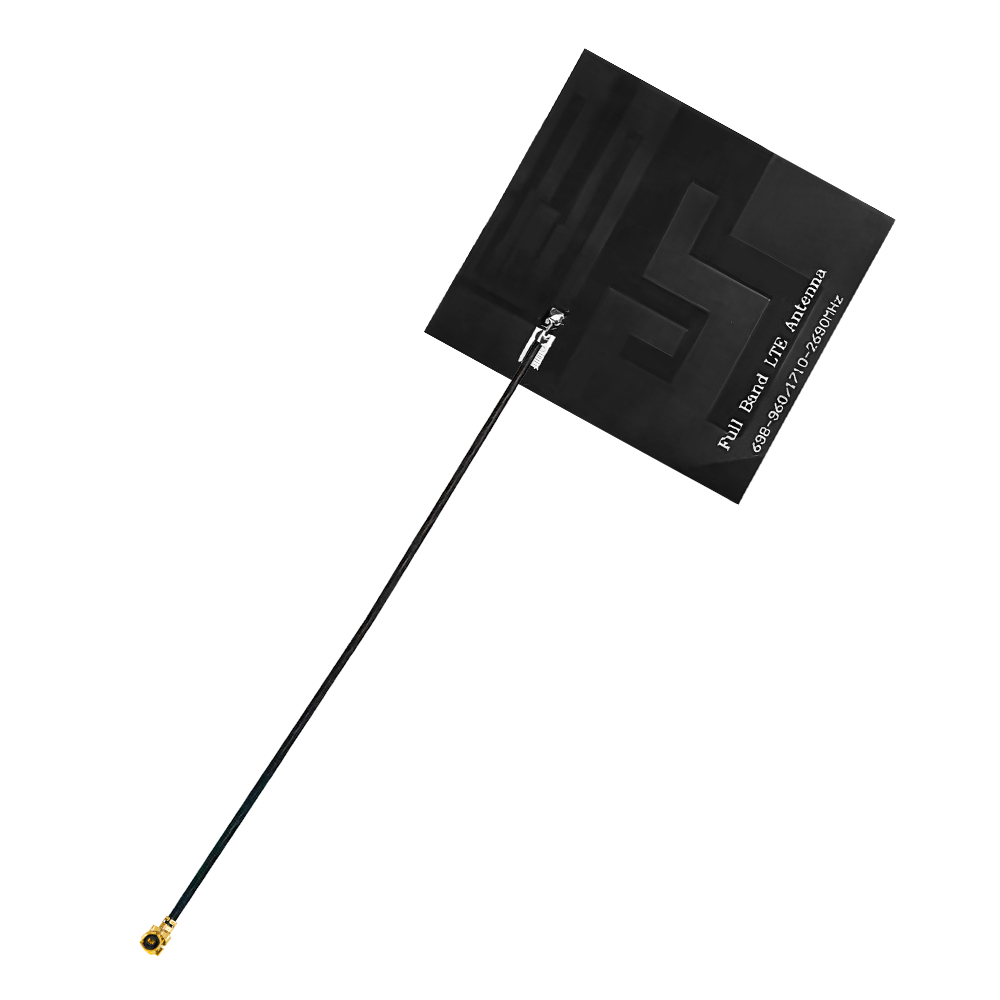
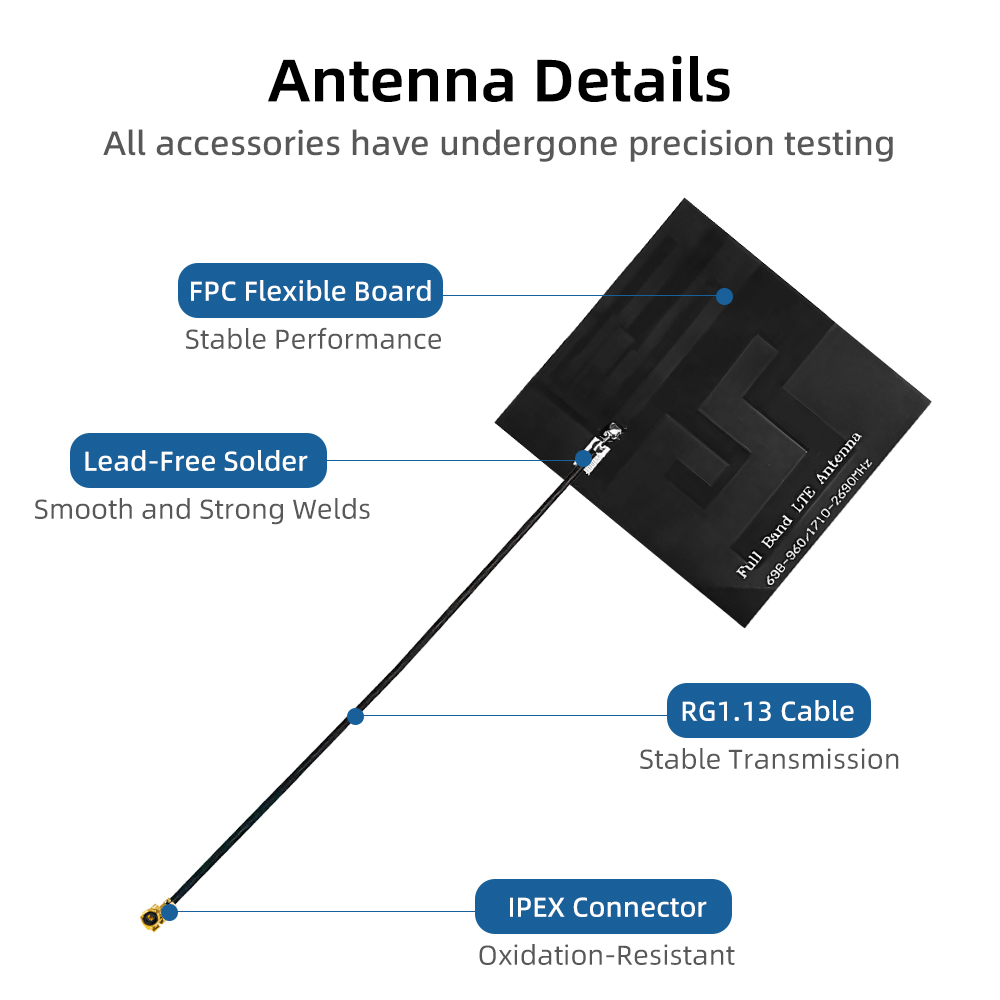
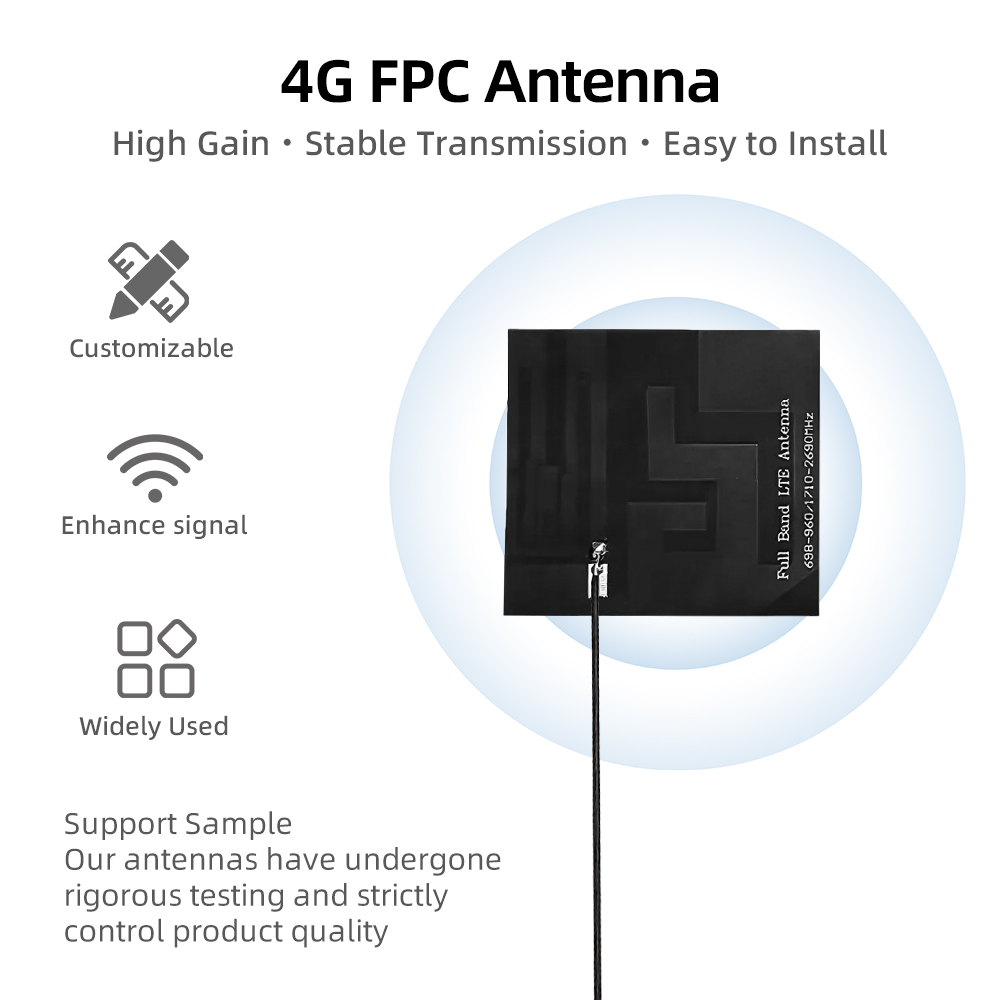
An FPC antenna is often the practical choice when space inside a device is tight. Once the battery, shield can and connectors are in place, little room may remain for the antenna. A meandered trace helps fit the radiating element into a smaller area, but this compact design also brings trade-offs. Bandwidth and radiation efficiency depend on the antenna design and surrounding layout, with lower frequencies often posing a greater challenge. An internal antenna also works with the host PCB, ground plane and nearby metal parts, all of which can affect its performance. That’s why two devices using the same FPC internal antenna may perform quite differently after assembly. The adhesive, RF connector and coaxial cable routing also matter during installation. Don’t judge an FPC flexible antenna by its standalone test results or gain figure alone. Test it in the finished device, with the actual PCB, enclosure and mounting position.
| Type | FPC antenna | Antenna Gain | 15 |
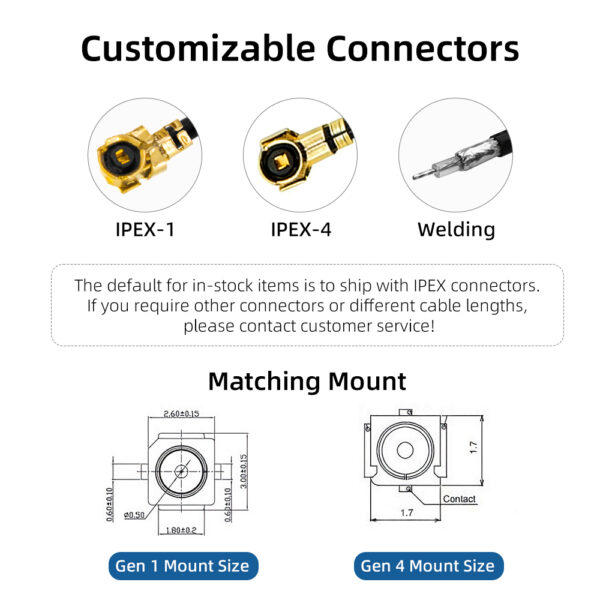
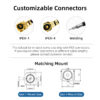
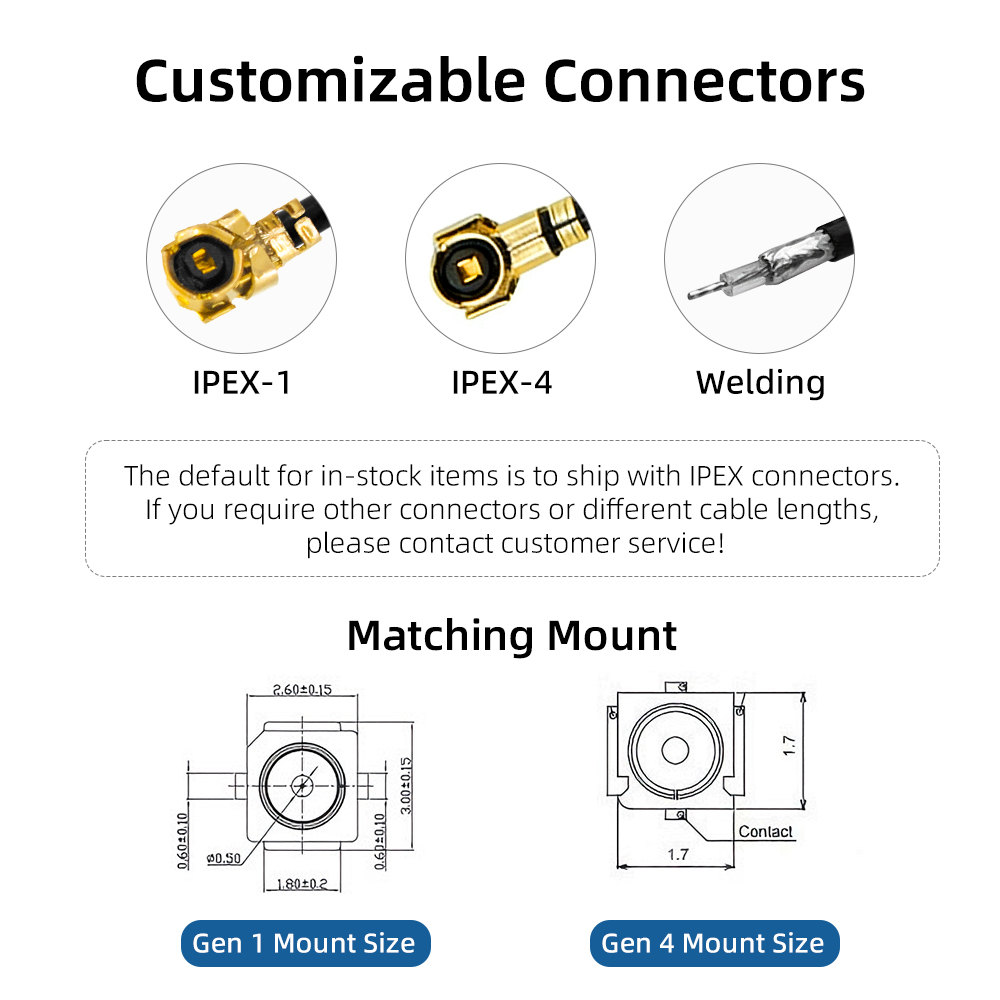
| Connector Type | Can be customized | Model Number | FS- B9 |
| Place of Origin | Guangdong, China | Polarization | Linear |
| Antenna Frequency | Can be customized | Frenquency | Can be customized |
| Support OEM/ODM | Yes | Material | PCB/ FPC |
| Gain | 2DBI or can be customized | Polarization | Vertical |
| Connector | Can be customized | Gross weight | 0.1kg |
| Operation Temperature | -30 degree to 80 degree | Size | Tell us your requierments, we can 100% fully meet your demands. |
Q1. Does this FPC antenna really cover the full frequency range?
No. It covers 698–960 MHz and 1710–2690 MHz, with a gap between the two ranges. It also does not support LTE Band 32 (1452–1496 MHz), 3.3–3.8 GHz or WiFi. The term “full band” can be misleading, so compare the actual frequency ranges with the LTE bands used by your carrier before selecting an FPC antenna.
Q2. Is the antenna gain 2 dBi or 15 dBi?
Around 2 dBi is a more realistic figure for the upper bands, while gain is lower at 698–960 MHz. The 15 dBi figure in the attribute table does not reflect the expected performance of an FPC element this size. For a meaningful comparison, look at the measured gain across the bands you actually need rather than relying on one figure in the product listing.
Q3. Will this antenna work with a 50 × 30 mm tracker PCB at 700 MHz?
It may be difficult to get good low-band performance from a board this small. At around 700 MHz, the antenna needs enough ground area to work against, and a 50 × 30 mm PCB may not provide sufficient space. The antenna position, nearby components and enclosure also affect the result. If you’re planning to use an FPC internal antenna in a compact tracker, send us the PCB outline and proposed mounting position. We can review the layout before you finalize the design.
Q4. Can I remove the antenna and stick it somewhere else?
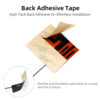
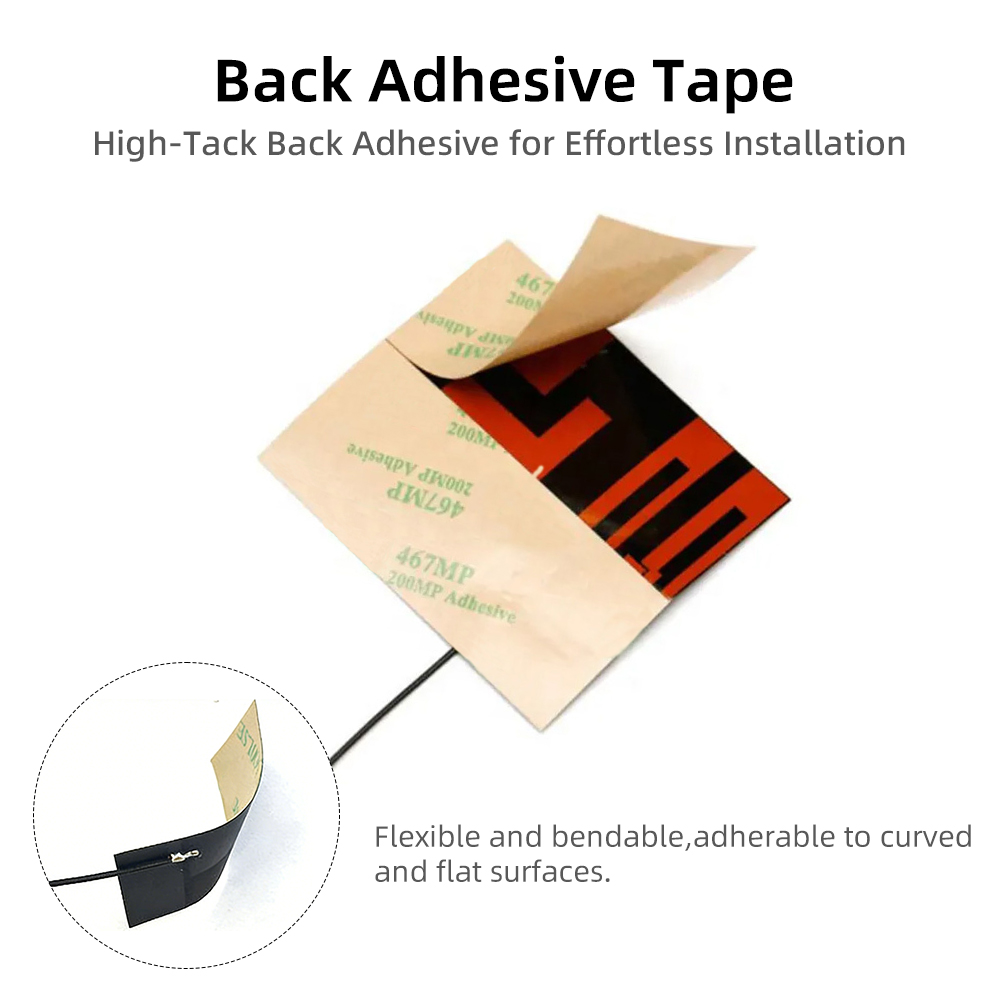
It’s better to get the position right before installation. The 3M 467MP adhesive forms a permanent bond, so removing the antenna can stretch or crease the polyimide film and leave the adhesive unsuitable for reuse. It may also change the antenna’s position and affect performance. Plan the cable route and mounting location during assembly, and use a new antenna if you need to reposition it.
Sales: nora@fs-sz.com
Technical Support:jason@fs-sz.com
Sales :+86-13316864973
Technical Support :
+86-13683276589
+86-13427976189
+86-0755-85223189