




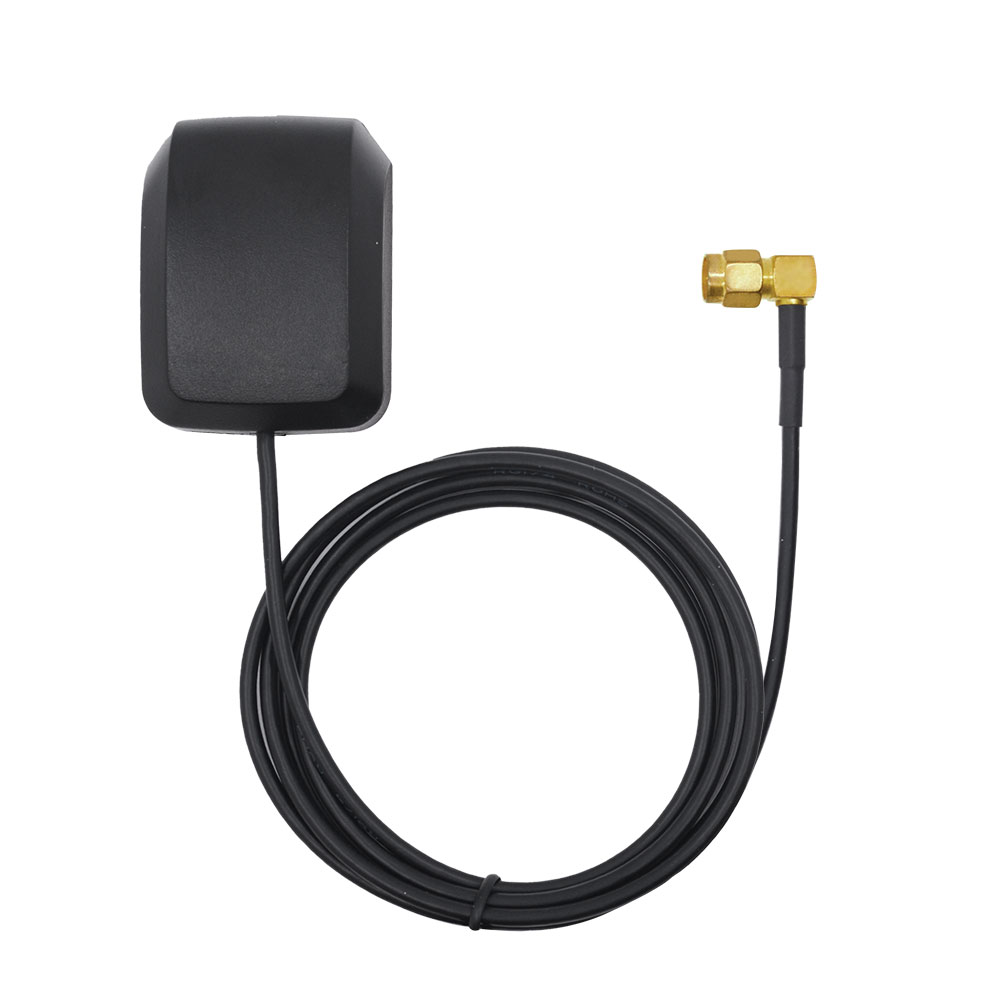
Active GPS Antenna SMA Male Right Angle for Vehicle Tracker
- Connectors and length customization
- Frequency band customization
- Regarding size customization
- Minor customization
- Drawing-based customization
- Sample-based customization
- Full customization
Share to:
Product Overview
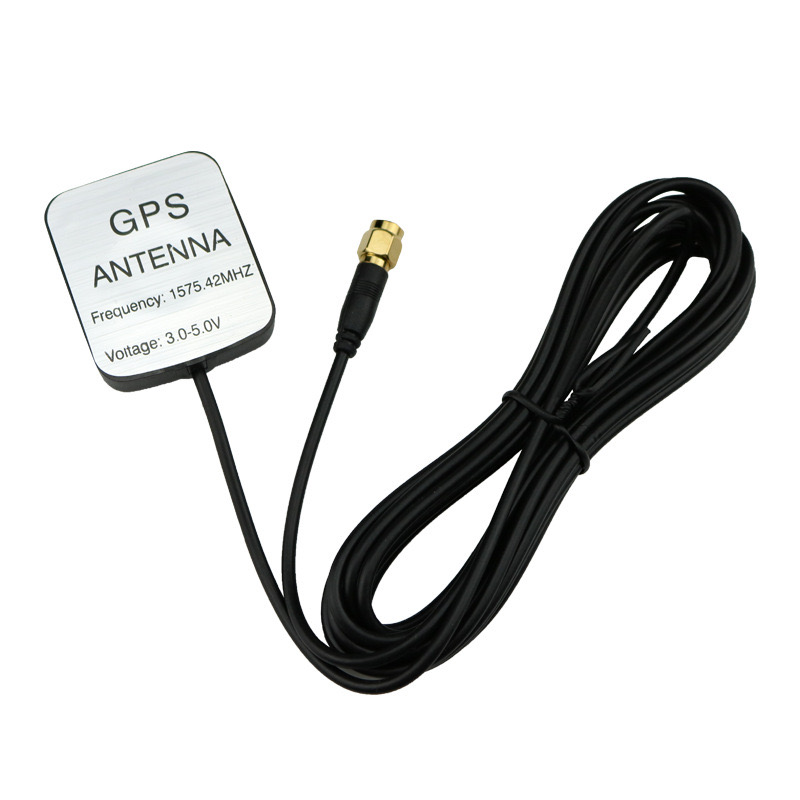
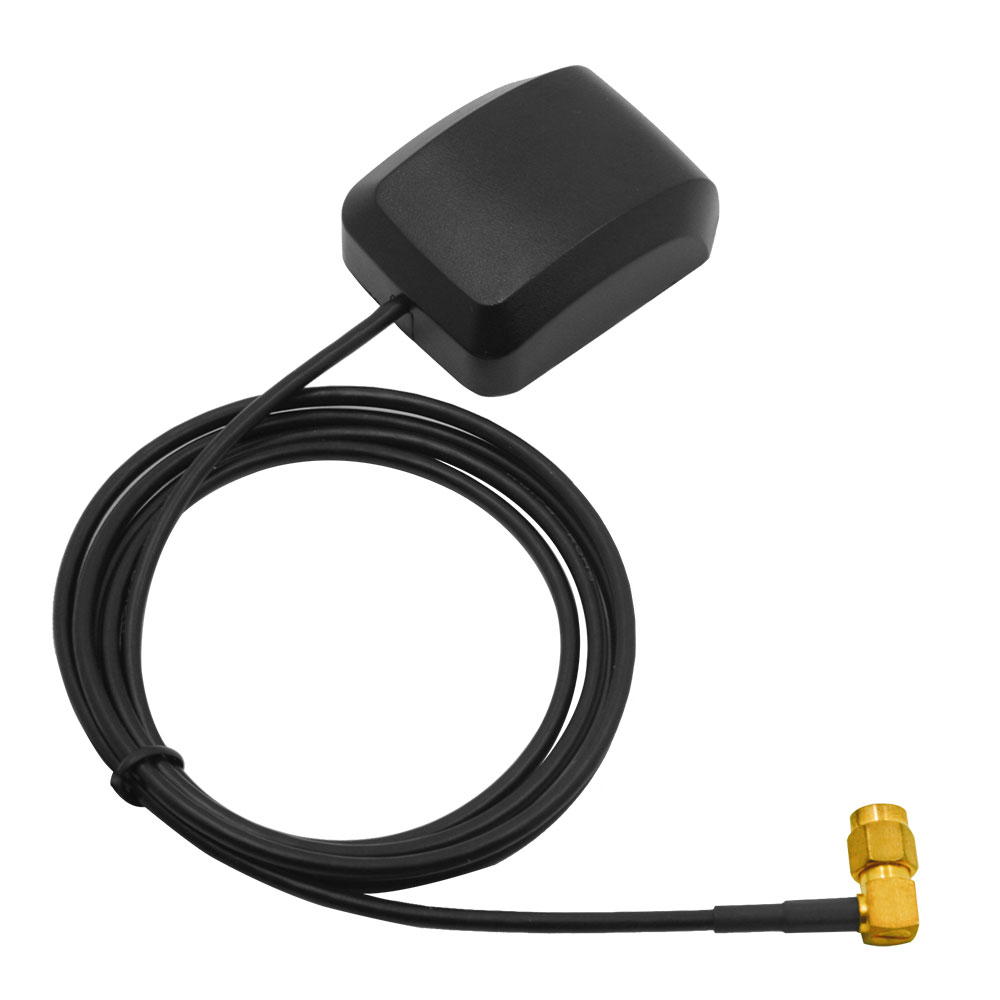
GPS Antenna Magnetic Base IP67 for Truck SUV RV Marine
Product features:
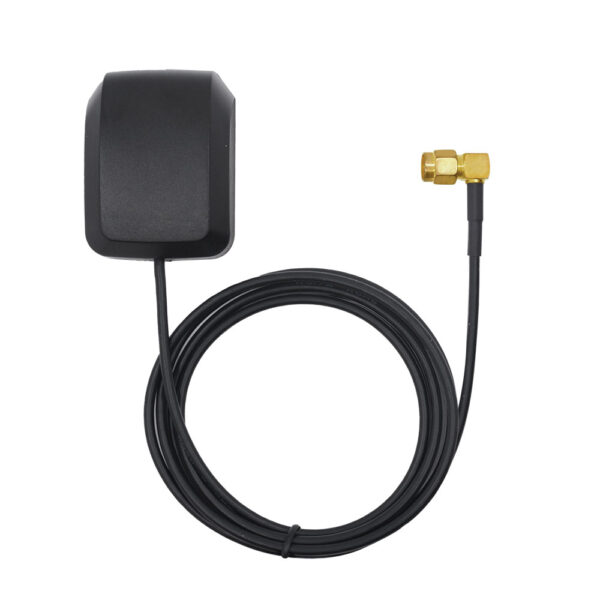
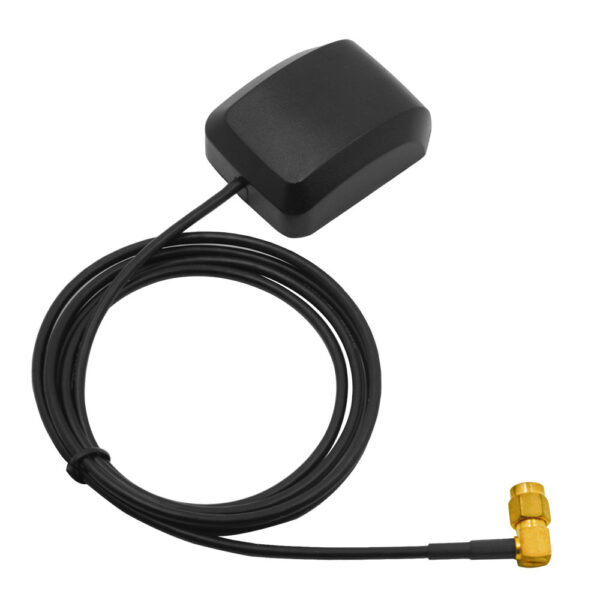
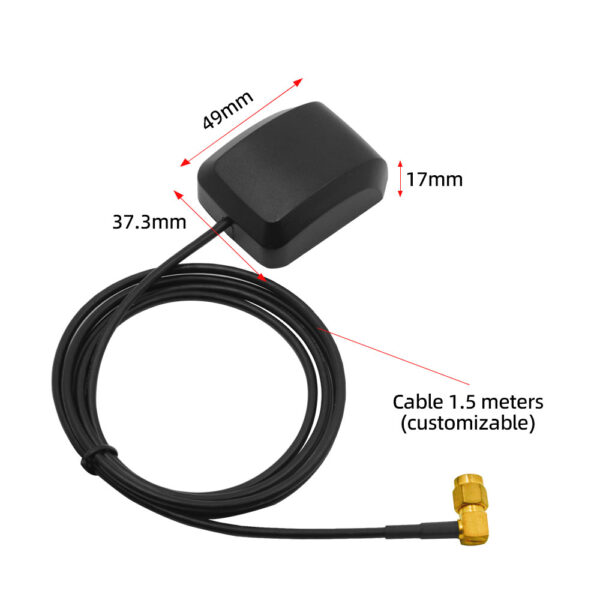
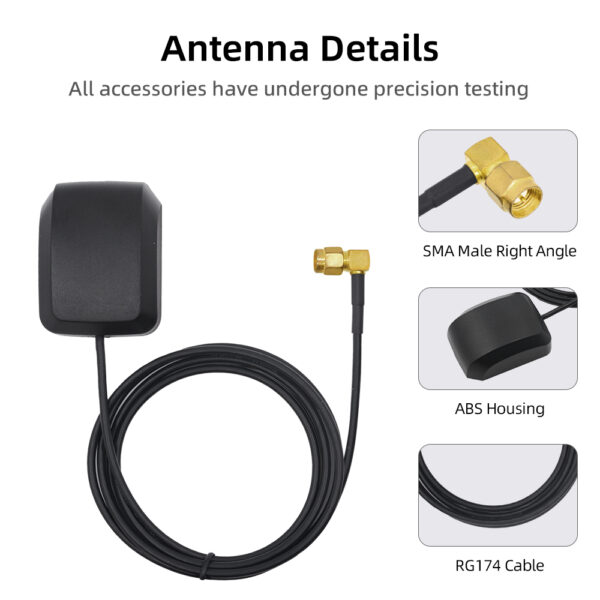
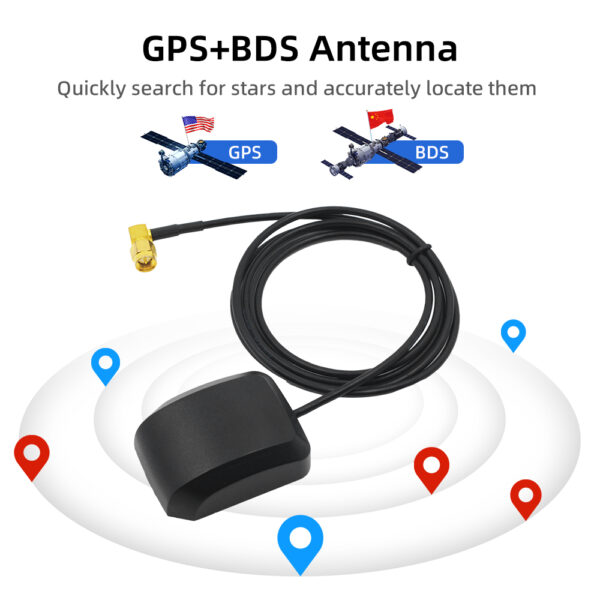
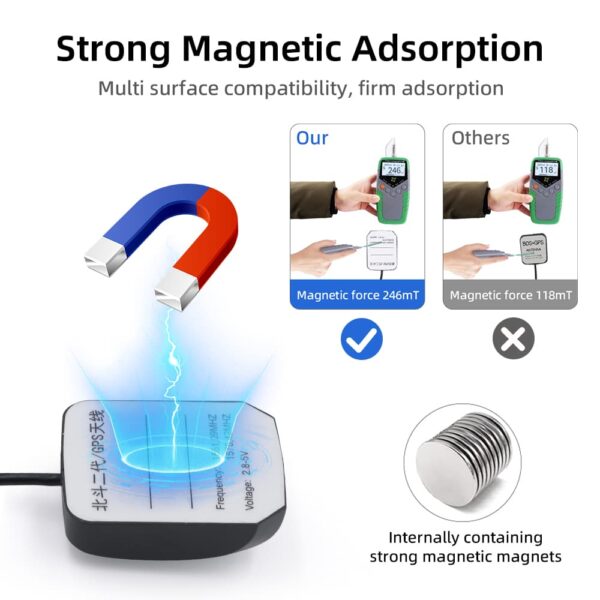
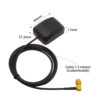
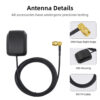
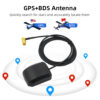
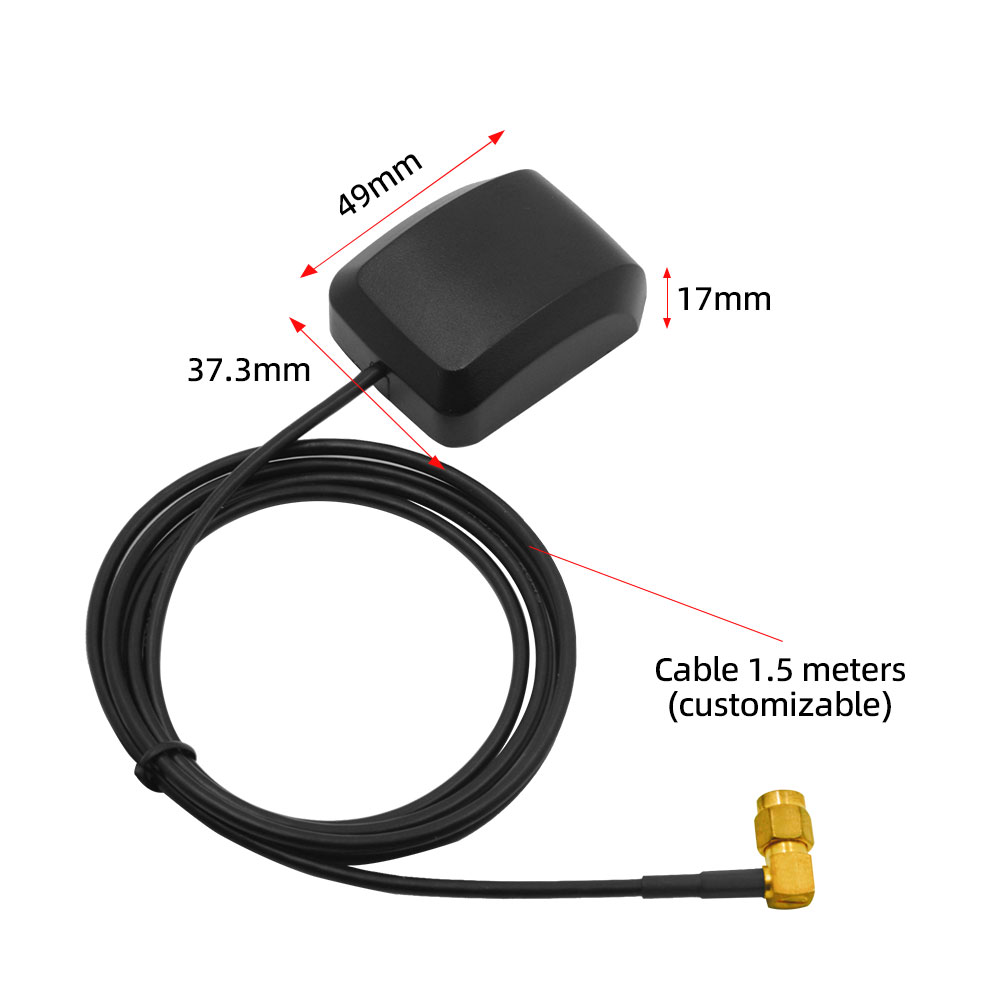
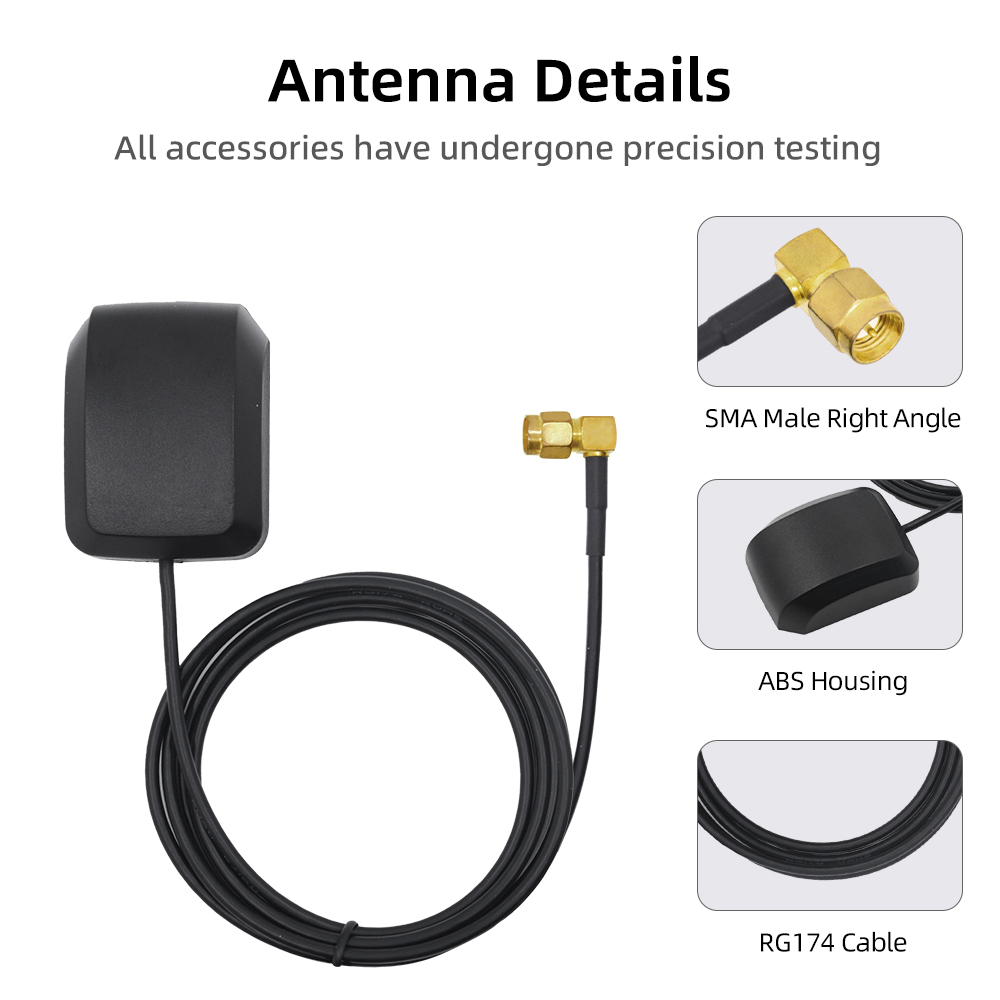
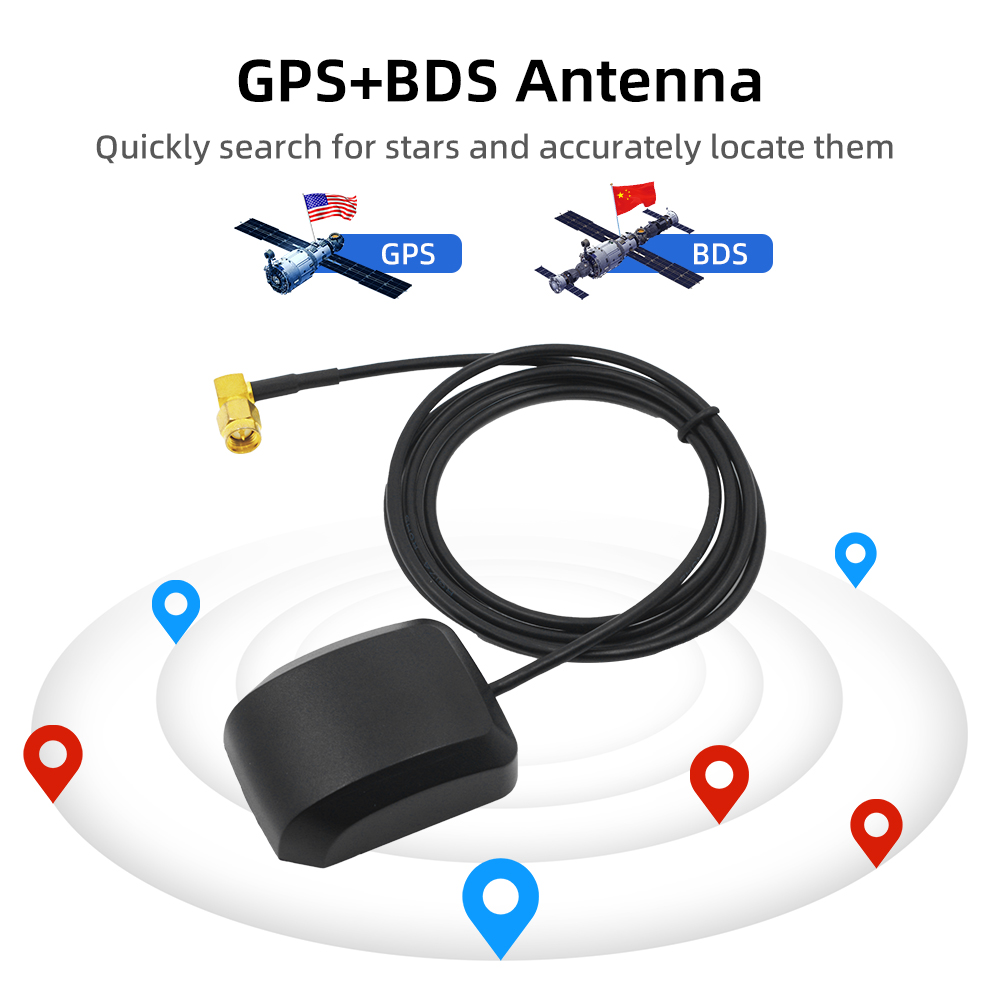
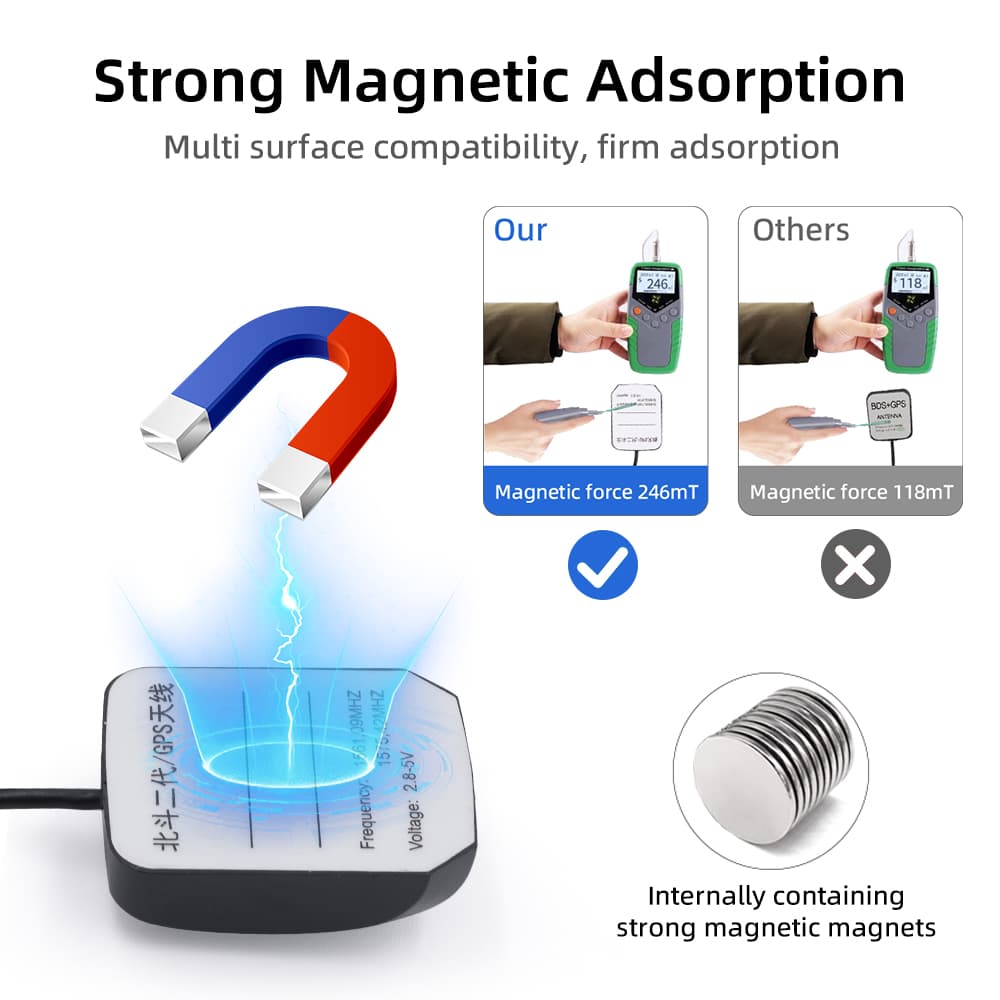
This GPS+BeiDou antenna combines a ceramic patch and built-in LNA in a compact ABS housing with a magnetic base for roof mounting. A 1.5 m RG174 cable with a right-angle SMA plug connects it to your receiver. The LNA draws 2.8–5 V DC through the coaxial cable and typically provides around 28 dB of gain, depending on the build. This figure refers to amplifier gain, not passive antenna gain in dBi. With GPS and BeiDou reception in one GNSS antenna, it suits vehicle tracking systems and tracker retrofits. As an active GPS antenna, it needs DC power from the receiver, so check the antenna port’s voltage and current output before installation. The sealed housing and protected cable entry make it a waterproof GPS antenna for outdoor vehicle use, though it is not designed for immersion. We can also customize the frequency, cable length, connector and printed logo to suit your application.
Parameter
| Type | GPS Antenna | Antenna Gain | 12DBI |
| Terminals | can be customized | Installation | can be customized |
| Connector Type | can be customized | Main Body Material | ABS |
| Brand Name | support OEM | Place of Origin | Guangdong, China |
| Ingress Protection | Ip67 | Polarization | vertical |
| Antenna Frequency | GPS or customized | Frequency | support customized |
| Impedance | 50Ohm | VSWR | ≤2 |
Application
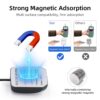
- Fleet Tracking and OBD Devices-A fleet tracker installed under the dashboard can connect to a roof-mounted GPS antenna through a coaxial cable, keeping the antenna outside the vehicle without drilling a new hole in the roof. On vehicles with a steel roof, the magnetic base makes installation straightforward, and the roof panel provides a ground plane for the antenna element. This arrangement is common in fleet tracking systems, where installers need a simple way to route the cable and position the antenna. For larger installations, cable length and connector type are worth checking in advance.
- Trailers, Containers and Industrial Equipment-The steel roofs of trailers and containers provide a convenient surface for magnetic mounting, with no need to drill holes or create openings that could let water in. The same approach can work on excavator cabs, generator canopies and other equipment with suitable metal surfaces. The main consideration is how well the magnet holds under real operating conditions. Road vibration, wind load and vehicle speed can all affect mounting stability, so a setup that works on a parked vehicle should be checked before use on a trailer travelling at highway speeds.
- Marine and Outdoor Equipment-Boats and outdoor equipment often have aluminium or GRP surfaces, which means a magnetic base may not be suitable on its own. A steel mounting plate or another compatible fixing method can provide an alternative, depending on the installation. In exposed locations such as boat cabin roofs and outdoor equipment enclosures, a waterproof GPS antenna helps address exposure to rain and spray. The cable entry and connector sealing also deserve attention, as these areas can be more vulnerable to water ingress than the antenna housing itself.
- Timing and Reference Systems-Fixed GNSS installations have different priorities from vehicle tracking systems. With the antenna in a permanent position, buyers tend to pay closer attention to cable loss, signal quality and long-term stability. For precision timing or carrier-phase applications, group delay, phase-centre characteristics and temperature performance may also need to meet specific requirements. An active GPS antenna can be used in some fixed setups, but the right choice depends on the receiver and the intended application. If you’re sourcing a GNSS antenna for a reference station or timing system, check its specifications against the system requirements rather than assuming a vehicle-tracking model will be suitable.
FAQ
Q1. My tracker supplies 3.3 V through its antenna port. Will it work with this GPS antenna?
Yes. The antenna operates from 2.8 to 5 V, so a 3.3 V supply is within its range. Just make sure the tracker can also supply enough current for the built-in LNA. The antenna needs DC power to work, so it won’t operate with a receiver that has no antenna bias output. If you need to connect two receivers to one antenna, use a GNSS splitter with the correct DC-pass and DC-block arrangement instead of a simple T-connector.
Q2. Does this GPS antenna receive GLONASS and Galileo as well as GPS?
This model is designed for GPS L1 at 1575.42 MHz and BeiDou B1 at 1561 MHz. Galileo E1 shares the GPS L1 centre frequency, but that alone doesn’t guarantee full Galileo support. GLONASS L1 operates around 1602 MHz and requires the antenna to cover that frequency as well. If your device needs GLONASS or Galileo, tell us which constellations you plan to use. We can then check whether this model meets your requirements or recommend another option.
Q3. The product listing shows 12 dBi. Is that the actual antenna gain?
Not necessarily. An active GPS antenna has two separate gain figures to consider: the passive gain of the patch element and the gain of the built-in LNA. The LNA amplifies the received signal, and its gain is measured in dB, not dBi. When comparing antennas, look at the patch gain, LNA gain, noise figure and VSWR rather than relying on one headline figure. The test conditions and ground plane also matter when comparing specifications from different suppliers.
Q4. Can I mount this GPS antenna on a plastic dashboard or fibreglass roof?
Yes, but the mounting surface can affect reception. A patch antenna generally performs best with a suitable conductive ground plane beneath it. Plastic and fibreglass don’t provide one, so you may need to add a metal plate under the antenna. The plate size and position should follow the antenna’s installation requirements. For a boat or other exposed location, a waterproof GPS antenna also needs proper cable routing and connector protection. The housing alone cannot protect a poorly sealed cable connection.
Send Us Your RF Project Requirements
jason@fs-sz.com
+86-13683276589
+86 13427976189
+86-0755-85223189